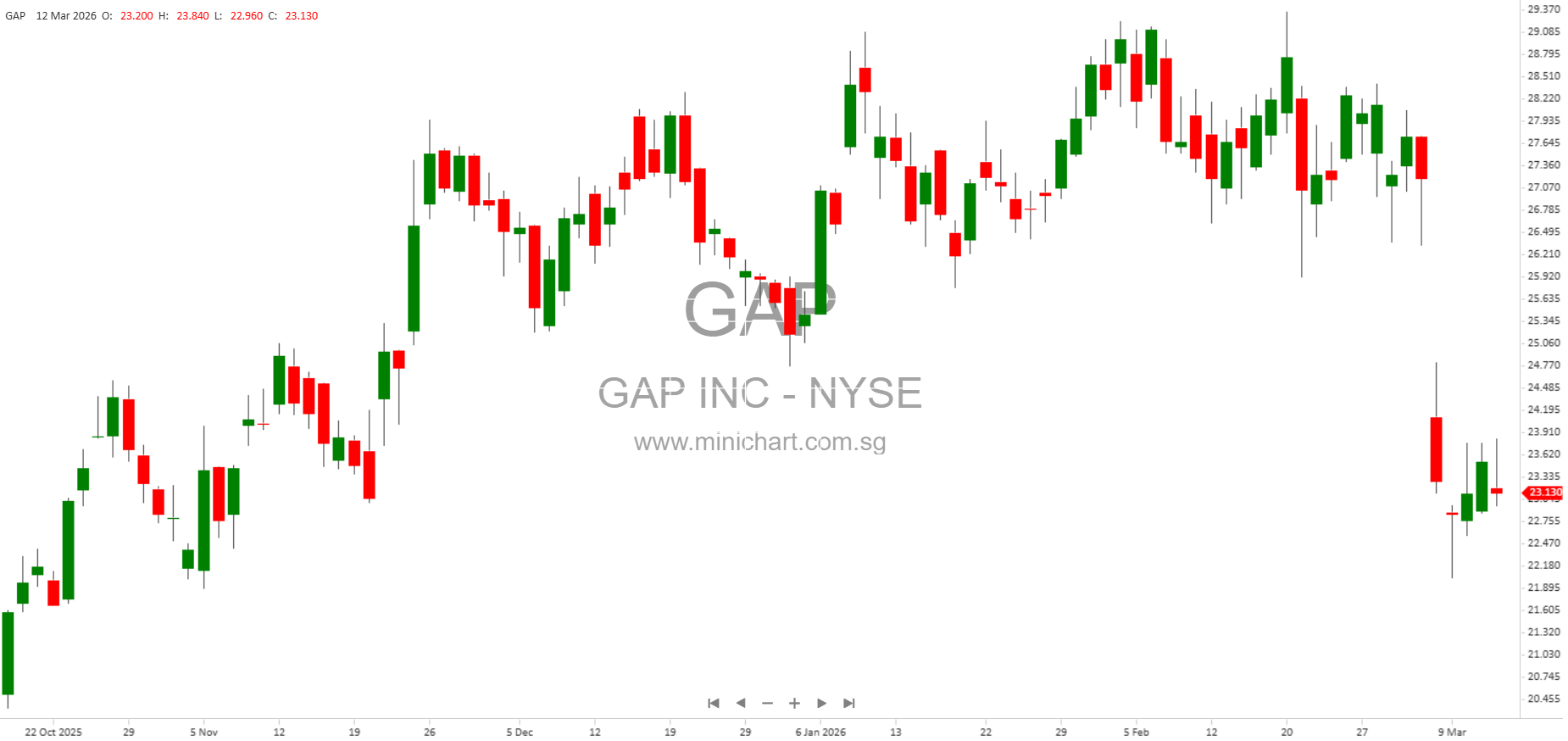
The Gap, Inc. Files Form 8-K: Key Updates for Shareholders
Date of Report: March 12, 2026
Registrant: The Gap, Inc.
Trading Symbol: GPS
Exchange: The New York Stock Exchange
Summary of Filing
The Gap, Inc. has submitted a Form 8-K to the SEC, detailing several important developments related to its executive compensation and long-term incentive plans. This filing contains updates that may be relevant to shareholders and could potentially impact share value.
Key Points
-
Adoption of New Agreement Forms Under the 2016 Long-Term Incentive Plan:
The company has introduced new forms of agreement for its equity awards, specifically:- Restricted Stock Unit Agreement (2026 Form)
- Performance Share Agreement (2026 Form)
- Deferred Performance Share Agreement (2026 Form)
- Director Stock Unit Agreement (2026 Form)
These agreements set the terms for stock-based compensation for employees and directors, including vesting schedules, settlement, and tax compliance requirements.
-
Exhibit Details:
The actual forms are attached as Exhibits 10.1, 10.2, 10.3, 10.4, and 10.5. These documents provide the granular legal and operational details for each type of award. -
No Emerging Growth Company Status:
The Gap, Inc. has confirmed it does not qualify as an “emerging growth company” under SEC rules, which means it is not eligible for certain reduced reporting requirements. This is crucial for investors as it entails full transparency and regulatory compliance. -
Detailed Compliance and Tax Provisions:
The agreements include extensive language about tax withholding, compliance with Section 409A of the Internal Revenue Code, and country-specific requirements for employees in international jurisdictions. Notably, the company disclaims responsibility for employees’ individual tax liabilities or compliance with foreign laws, which could affect the net value received by award recipients. -
Accelerated Vesting Events:
The agreements provide that vesting may accelerate in certain cases, such as a change in control, death, or disability. This could increase the number of shares outstanding and potentially affect share price if triggered. -
Restrictions and Conditions:
- No fractional shares will be issued.
- Shares may not be issued if it would violate applicable securities laws.
- Shares are only delivered or settled if all regulatory and tax conditions are met.
-
Country-Specific Provisions:
The agreement appendix includes compliance and reporting requirements for employees in various countries (e.g., Canada, India, Bangladesh, Indonesia, Japan, Hong Kong, Singapore, Turkey, Vietnam). For example:- Indian employees must repatriate proceeds from share sales and comply with foreign asset reporting.
- Canadian residents must comply with foreign property tax reporting and restricted share transfer rules.
- Bangladeshi employees must report acquisition and sale of foreign securities to Bangladesh Bank.
Failure to comply may result in forfeiture or delays in receiving shares.
-
Mandatory Sale and Repatriation Procedures:
For certain jurisdictions, employees are mandated to sell shares immediately upon vesting, and proceeds must be repatriated or reported under local law. This operational restriction could affect liquidity and share turnover in those markets. -
Shareholder Rights:
Employees are not considered shareholders until shares are issued and recorded; before that, they do not have voting rights or dividend entitlements.
Potential Share Price Sensitivity
-
Impact of Accelerated Vesting:
Accelerated vesting in connection with major corporate events (e.g., mergers, acquisitions) could increase the number of shares outstanding, potentially diluting existing shareholders and affecting share price. -
International Compliance Risks:
The extensive country-specific requirements highlight potential risks and delays in awarding and settling shares for employees abroad. Any regulatory issues or delays in these jurisdictions could impact the perception of the company’s global operations and its stock-based compensation costs. -
Transparency and Full Reporting:
The company’s status as a non-emerging growth company means continued full disclosure and compliance, which investors may see as positive for governance and risk management.
Conclusion
The Gap, Inc.’s adoption of new equity award agreements under its long-term incentive plan represents a significant update for shareholders, especially given the potential for accelerated vesting and the complex international compliance landscape. These developments could affect the number of outstanding shares, employee incentives, and operational risk—factors that may influence future share price and investor sentiment.