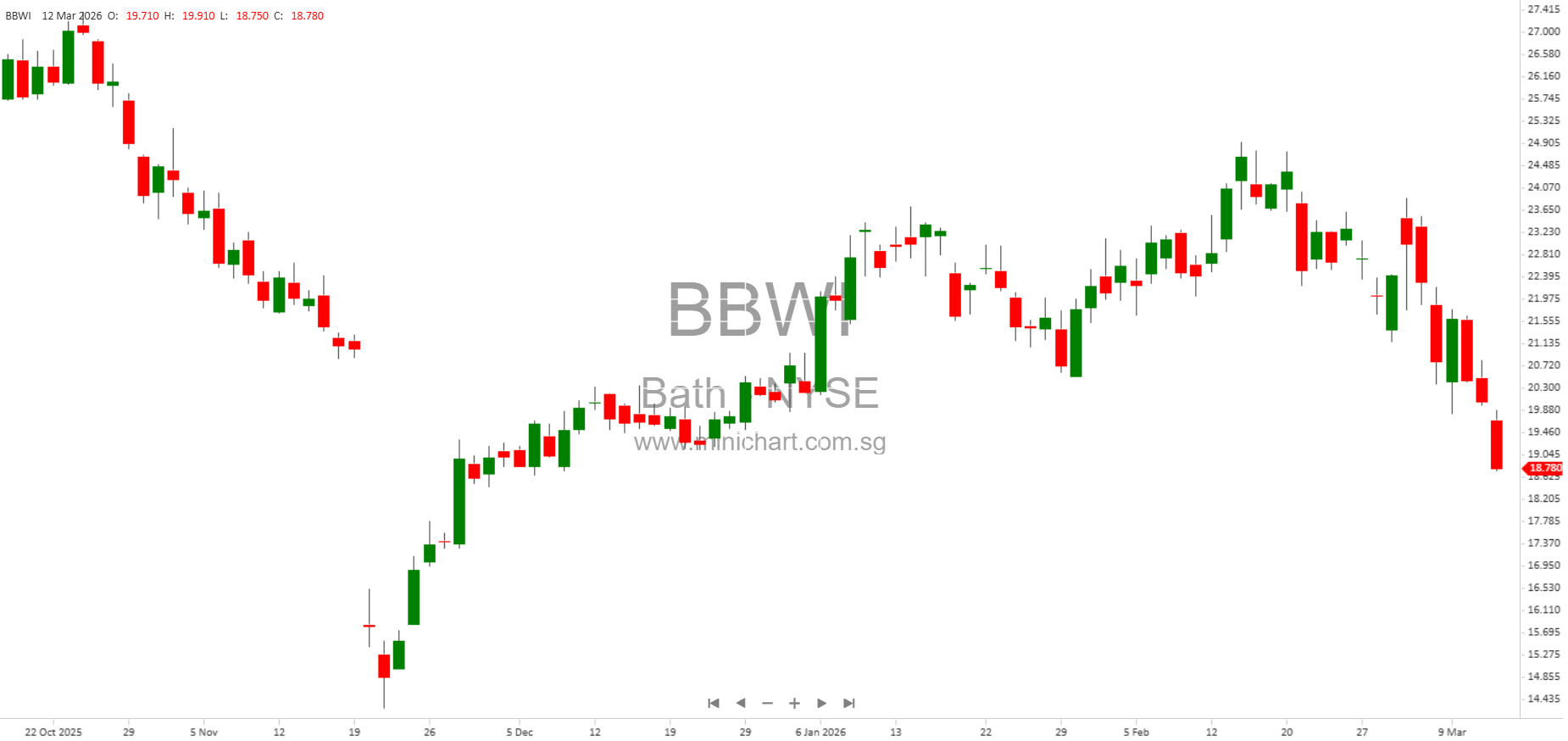
Bath & Body Works, Inc. 2025 Annual Report: Key Investor Highlights and Risks
Introduction
Bath & Body Works, Inc. (“the Company”) has released its Annual Report for the fiscal year ended January 31, 2026. This comprehensive report details the Company’s strategic direction, financial performance, risk factors, and operational updates. Investors and shareholders are advised to review these highlights for potential impacts on share value and future outlook.
Key Points from the Annual Report
-
Consumer First Formula Strategic Transformation:
The Company launched the “Consumer First Formula” in Q3 2025, positioning the consumer at the center of all operations. This multi-year strategic transformation aims to drive sustainable growth, innovation, and operational efficiency. The management acknowledges that successful execution is subject to uncertainties, including shifting consumer trends and economic conditions.
-
Seasonal Business Nature:
Operations are highly seasonal, with the fourth quarter (holiday selling season) accounting for approximately 40% of net sales and being the most profitable period. Inventory management before peak periods is critical; failure to sell inventory may lead to significant markdowns or unsold stock, negatively impacting financials.
-
Financial Position and Reporting Status:
The Company is a well-known seasoned issuer, a large accelerated filer, and continues to meet all reporting obligations. As of March 6, 2026, there were 201,134,265 shares of common stock outstanding, and the public float was valued at approximately \$5.8 billion.
-
Capital Allocation Strategy:
Historically, Bath & Body Works has prioritized quarterly cash dividends and share repurchases. However, these are not guaranteed, and future decisions will consider profitability, liquidity, and capital requirements. Any reduction in these practices may affect reputation and share price.
-
Competitive Landscape:
The Company operates in a highly competitive market, with numerous specialty stores, department stores, online retailers, and discount outlets. Key competitive factors include brand image, pricing, marketing, product quality, and assortment.
-
Regulatory and Legal Compliance:
The Company and its products are subject to extensive federal, state, local, and international regulations, including tax, customs, and trade agreements. Compliance with evolving privacy, cybersecurity, and AI laws is a growing challenge and could impact operations.
-
Risk Factors and Shareholder Concerns:
- Execution Risk: The success of the Consumer First Formula transformation is not guaranteed and may require significant investment, potentially diluting earnings in the short term.
- Supply Chain and Sourcing Risks: Global sourcing exposes the Company to risks such as political instability, pandemics, tariffs, regulatory changes, natural disasters, and supply chain disruptions. These factors could affect inventory, cost structure, and profitability.
- Cybersecurity and Data Privacy: The Company has invested heavily in cybersecurity. Despite these efforts, risks remain. Significant breaches could damage reputation and financials. Cybersecurity insurance may not cover all losses.
- Shareholder Activism: Shareholder activism could cause substantial costs, distract management, generate uncertainties, impact relationships, and lead to volatility in share price.
- Credit Ratings and Indebtedness: Deterioration in earnings or capital structure could lead to negative ratings actions, limiting access to capital and increasing interest costs.
- Legal and Compliance Risks: Non-compliance with laws and regulations, or conflicting requirements across jurisdictions, could result in fines, litigation, and reputational harm.
- Sustainability and ESG Initiatives: Increased scrutiny and reporting requirements for sustainability, human capital, and community impact may lead to higher costs, operational changes, and reputational risks.
Price-Sensitive and Shareholder Information
-
Dividend and Share Repurchase Policy:
Any change in the Company’s approach to dividends and share repurchases could impact investor sentiment and share value. While these practices have been consistent, they are not assured and may be suspended or reduced based on future financial conditions.
-
Strategic Transformation Risks:
The outcome and timing of benefits related to the Consumer First Formula are uncertain, and short-term earnings could be negatively affected. Failure to execute or delays could materially impact share value.
-
Supply Chain Challenges:
Disruptions in sourcing, manufacturing, or distribution—especially in peak sales quarters—could result in inventory shortages, increased costs, and adverse effects on sales and profitability.
-
Cybersecurity Incident Potential:
Any significant data breach or cybersecurity incident, if perceived negatively by analysts or investors, could substantially impact the stock price.
-
Shareholder Activism:
Events or uncertainties related to activism may result in share price volatility, increased expenses, and disruption to business operations.
-
Credit Rating Changes:
Negative credit rating actions could constrain capital access, increase financing costs, and impact ability to fund growth or meet obligations, materially affecting share value.
-
Legal, Regulatory, and Tax Changes:
Changes in legal, regulatory, or tax environments, especially international tax policy or trade relations, may materially affect financial results and share price.
Additional Operational and Corporate Updates
-
Human Capital Management:
The Company maintains an Ethics Hotline for anonymous reporting and invests in management and workforce development. Attraction and retention of talent remain a risk, especially amidst leadership changes.
-
Information Access:
All financial and operational information is announced via the investor relations website, press releases, SEC filings, conference calls, and various social media channels. Investors are encouraged to monitor these channels for real-time updates, which may be material.
-
Availability of Reports:
Annual, quarterly, and current reports are available free of charge on both the SEC website (www.sec.gov) and the Company’s site (www.bbwinc.com).
Conclusion
Bath & Body Works, Inc. faces a dynamic and competitive environment, with risks and opportunities that could materially impact its financial performance and share value. The ongoing Consumer First Formula transformation, capital allocation strategies, supply chain and cybersecurity risks, and regulatory changes are all critical factors for shareholders to monitor. Investors should remain vigilant, as developments in any of these areas may be price-sensitive and affect the Company’s valuation.