Weis Markets, Inc. 2025 Annual Report: Critical Highlights for Investors
Overview
Weis Markets, Inc. (“Weis Markets” or “the Company”) has released its Annual Report on Form 10-K for the fiscal year ended December 27, 2025. This filing contains significant disclosures that shareholders and potential investors must be aware of, especially as these may directly influence the company’s share price and market perception.
Restatement of Financial Statements – Major Red Flag
Key development: Weis Markets has restated its consolidated financial statements for the years ended December 28, 2024, and December 30, 2023, as well as multiple interim periods in 2024 and 2025.
Reason: The restatement was triggered by errors related to an overstatement of inventory and understatement of cost of goods sold at a single meat product manufacturing plant. The errors, which accumulated over multiple fiscal periods, were traced to the misconduct of a single former non-executive employee.
- The Audit Committee concluded that the previous financial statements, including both annual and interim periods through September 27, 2025, should no longer be relied upon.
- The errors resulted in an overstatement of assets and income in prior reports.
- Retained earnings as of December 31, 2022, have been restated, with a reduction of \$5.5 million net of taxes.
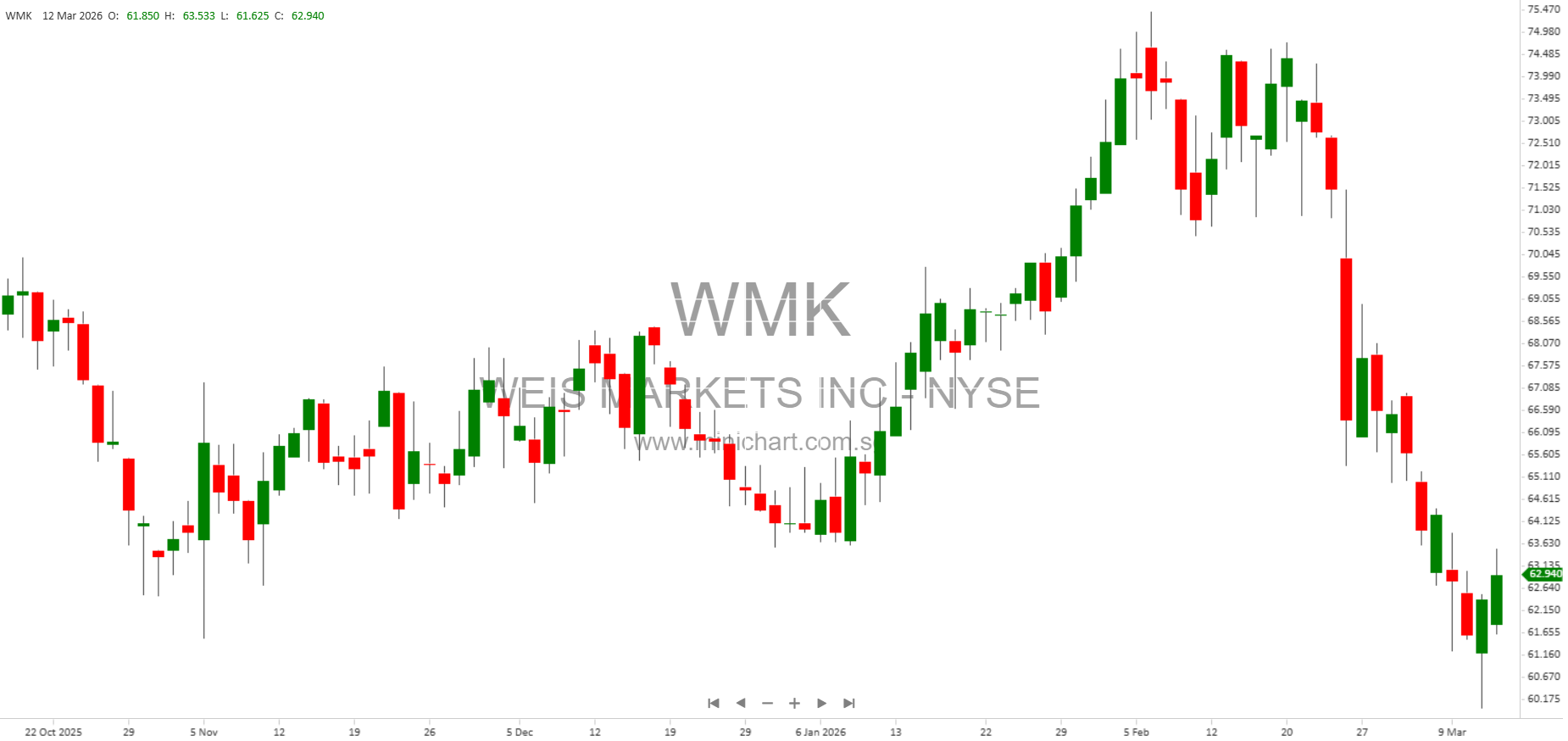
- The restatement process has led to unanticipated accounting and legal expenses, and exposed the company to further risks, including potential litigation, loss of investor confidence, and possible negative impact on stock price.
- The company is undertaking remediation actions to address internal control deficiencies but warns that if these are not successful or timely, further misstatements and restatements could occur.
Internal Controls and Procedures: Material Weaknesses Identified
In connection with the restatement, management re-evaluated the effectiveness of the company’s internal controls over financial reporting and identified material weaknesses as of December 27, 2025. These are detailed in the “Controls and Procedures” section of the report.
This is a critical point for investors, as persistent material weaknesses can undermine confidence in the accuracy of future financial statements and may affect the company’s ability to access capital markets.
Potentially Price-Sensitive Risks and Disclosures
- Remediation of Internal Controls: The company is implementing remedial measures. If these efforts are not sufficient or timely, future financial statements may contain material misstatements. This could limit Weis Markets’ ability to raise capital and may exert downward pressure on the share price.
- Litigation and Regulatory Risk: The restatement exposes Weis Markets to the risk of litigation, investigations, and possible regulatory penalties, all of which could have substantial financial and reputational consequences.
- Executive Compensation Clawback: The restatements required a recovery analysis of incentive-based compensation received by executive officers, in compliance with §240.10D-1(b).
- Market Value and Share Count: As of June 28, 2025, the aggregate market value of common stock held by non-affiliates was approximately \$682 million. Shares outstanding as of March 12, 2026, were 24,744,597.
- Major Shareholder Control: The Weis family owns approximately 61% of the combined voting power, giving them effective control over key decisions, including the election of directors and approval of significant corporate actions.
Other Key Business and Risk Factors
- Highly Competitive Market: Weis Markets operates in a fiercely competitive retail food industry, facing aggressive expansion, entry of non-traditional competitors, market consolidation, and price competition. These factors could pressure margins and market share.
- Macroeconomic and Regulatory Risks: The company faces risks from global economic events, including tariffs, trade disruptions, and changing tax laws—all of which can impact costs, profitability, and supply chains.
- Information Security and Cybersecurity: Weis Markets highlights risks related to cybersecurity, data breaches, and disruptions to IT systems. These could result in litigation, regulatory penalties, and reputational harm.
- Vendor and Supply Chain Risks: Changes in vendor promotions, supply chain disruptions from weather, pandemics, or civil unrest could materially impact the company’s operations and earnings.
- Self-Insurance Estimates: The company utilizes self-insurance for certain liabilities. Unexpected increases in claims or inaccurate reserve estimates could negatively affect results.
Sustainability and Governance
Weis Markets continues to emphasize sustainability with a strategy built on natural resource conservation, green design, community impact, and food/agricultural impact. The company maintains robust corporate governance guidelines and makes these materials available on its website.
Conclusion: Shareholder Takeaways
- The restatement of financials is a significant event, and shareholders should be aware of the ongoing risks related to internal controls and the potential for further misstatements.
- Material weaknesses in internal controls could impact investor confidence and the company’s market value.
- Ongoing remediation efforts and possible litigation or regulatory actions present ongoing uncertainty.
- Investors should monitor further disclosures and results of remediation actions closely.
Disclaimer: This article is a summary and analysis based on Weis Markets, Inc.’s 2025 Annual Report (Form 10-K). It does not constitute investment advice. Investors should review the full filing and consult their advisors before making investment decisions.