The Oncology Institute, Inc. (TOI) 2025 Annual Report: Key Takeaways for Investors
Overview
The Oncology Institute, Inc. (“TOI”) has released its annual report for the fiscal year ended December 31, 2025. The report outlines significant financial, operational, and strategic developments that are crucial for current and prospective shareholders to consider. Below, we provide a comprehensive analysis of the key points, risks, and potential catalysts that could impact the company’s share price.
Key Financial Highlights
- Net Loss: TOI reported a net loss of \$60.6 million for 2025, with a loss from operations of \$36.1 million. This continues the company’s historical pattern of net losses and highlights the ongoing investment in expansion and operations. Management anticipates continued losses as the company invests in increasing its patient base, expanding operations, and managing public company costs.
- Public Float and Shares Outstanding: As of June 3, 2025, TOI’s public float was approximately \$137.2 million based on a closing share price of \$2.05. As of March 5, 2026, there were 64,039,144 shares of common stock outstanding.
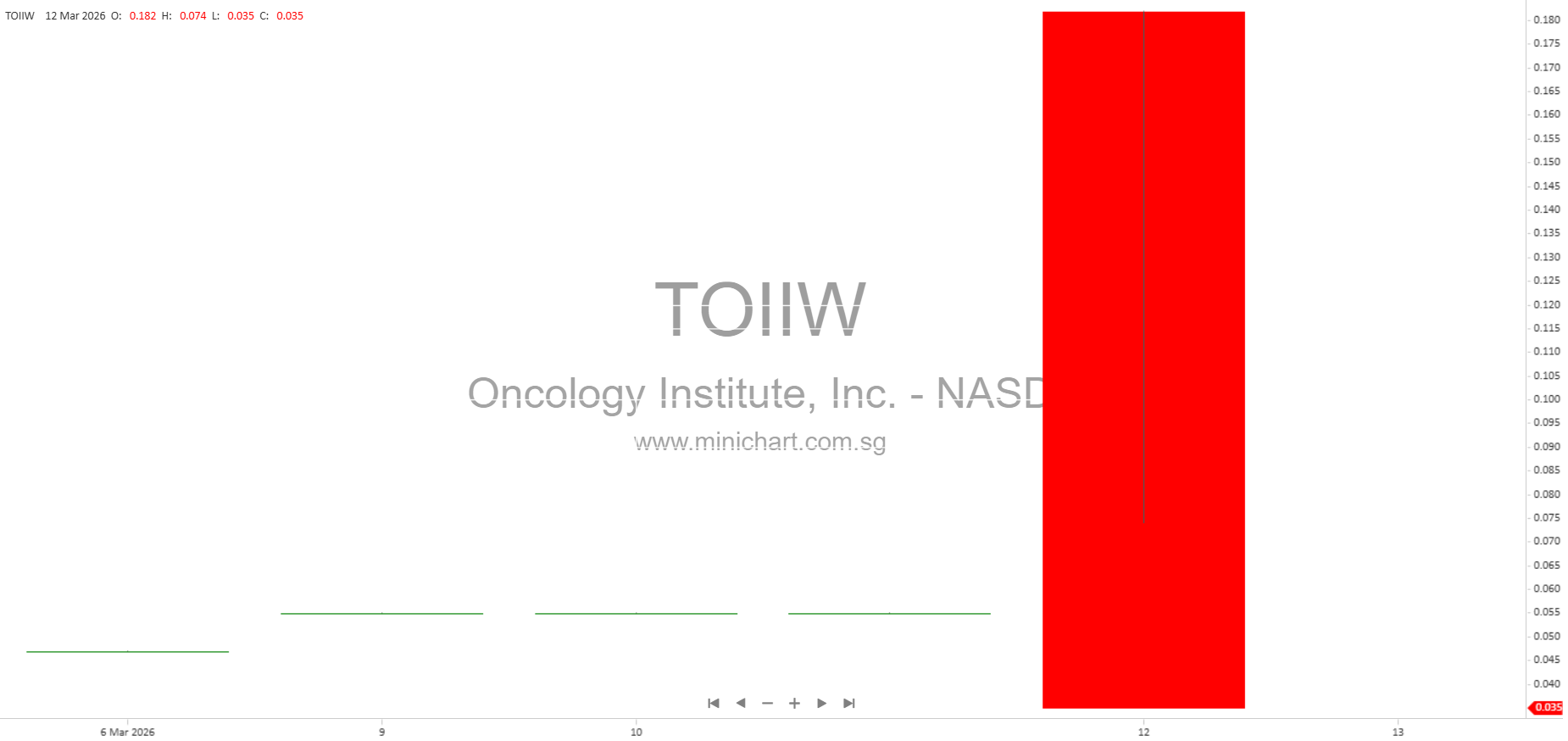
- Listing Status: TOI’s common stock and warrants are traded on The Nasdaq Stock Market under the symbols “TOI” and “TOIIW”, respectively.
Business and Strategic Updates
- Growth and Organizational Change: The company has experienced rapid growth and organizational change, which has placed significant demands on management and operational resources. This could continue to impact performance and increase operational risks.
- Expansion Costs: TOI is investing heavily in expansion, including hiring personnel, expanding infrastructure, and operating as a public company. These investments may be more expensive than anticipated and could delay profitability.
- Regulatory Environment: The regulatory environment remains complex, especially in California where new legislation (AB 1415, effective January 1, 2026) increases reporting and compliance requirements for healthcare entities. This could impact strategic transactions and contract execution.
- Access to Clinical Trials: TOI continues to prioritize access to clinical trials, offering patients cutting-edge treatment options at little or no cost, which could be a competitive differentiator.
Risks and Price-Sensitive Issues
- History of Losses and Future Profitability: The persistent pattern of net losses and increasing expenses may raise concerns about the company’s ability to reach profitability. If losses continue longer than anticipated, additional financing may be necessary, potentially diluting existing shareholders.
- Medicare and Reimbursement Risks: Changes or reductions in Medicare reimbursement rates or rules could have a material adverse effect on TOI’s financial performance.
- Healthcare Reform and Regulatory Changes: The impact of healthcare reform and new government programs is unpredictable and could materially affect the company’s business model, revenues, and profitability.
- Inflation and Cost Increases: Inflationary pressures could increase the cost of drugs, clinical trials, and administrative expenses, negatively affecting margins and cash flows.
- Transition to Value-Based Care: The industry-wide transition from volume to value-based reimbursement models may challenge TOI’s operations and revenue streams.
- Information Technology and Data Security: The company is highly dependent on IT systems. Disruptions, breaches, or loss of data may materially impact business and financial results.
- Legal and Compliance Risks: TOI and its physician groups are subject to various federal, state, and local regulations. Non-compliance could result in significant penalties, loss of licenses, or necessary business restructuring.
- Nasdaq Listing Status: There is no guarantee that TOI will maintain its Nasdaq listing if it fails to meet listing standards, which could significantly impact liquidity and share price.
- Pandemic Risks: The re-emergence of COVID-19 or similar outbreaks could disrupt operations, patient volumes, and supply chains.
- Tax and Accounting Risks: Changes in tax laws or accounting standards could affect reported results and cash flows. The company also may not be able to use its net operating loss carryforwards to offset future taxable income.
Shareholder Information
- Not a Well-Known Seasoned Issuer: The company is not considered a well-known seasoned issuer.
- Smaller Reporting Company: TOI qualifies as a smaller reporting company, which may affect disclosure requirements and market perception.
- Internal Controls: The company’s internal controls over financial reporting have been attested to by its independent registered public accounting firm as required by Section 404(b) of the Sarbanes-Oxley Act.
- Proxy Statement Reference: Certain information for Part III of the 10-K will be incorporated by reference from the company’s proxy statement for the annual meeting expected to be held on June 17, 2026.
Potential Catalysts and Price Movers
- Continued Losses or Profitability Progress: Any signals of the company nearing profitability, or conversely, deeper ongoing losses, are likely to be significant share price movers.
- Changes in Reimbursement or Regulation: Material changes in government programs, especially Medicare, or new state regulations (such as California’s AB 1415) could have immediate and significant impacts.
- Strategic Transactions or Partnerships: Any material strategic transactions, partnerships, or acquisitions (or inability to execute such deals due to regulatory barriers) could affect future growth and valuation.
- Nasdaq Listing Compliance: Falling out of compliance with Nasdaq requirements is a material risk and could result in delisting, severely impacting liquidity and market value.
- Pandemic/Epidemic Developments: Renewed disruptions resulting from health crises could affect patient flow, operations, and overall financial performance.
Conclusion
The Oncology Institute, Inc. remains in an aggressive growth phase, investing should be weighed against ongoing losses and the increasing complexity of its regulatory environment. Investors should closely monitor the company’s path to profitability, developments in reimbursement models, and regulatory compliance, all of which could have material impacts on share performance.
Disclaimer: This article is for informational purposes only and does not constitute investment advice. Investors should perform their own due diligence and consult with professional advisors before making investment decisions. The information herein is based on the company’s SEC filings and may be subject to change or updates.