Target Corporation 2025 Annual Report: Key Insights for Investors
Overview
Target Corporation, founded in 1902 and headquartered in Minnesota, has released its 2025 Form 10-K Annual Report for the fiscal year ended January 31, 2026. The company operates as a single segment focused on delivering fashionable, differentiated merchandise and everyday essentials at discounted prices. Target’s corporate purpose is to help all families discover the joy of everyday life.
Key Financial and Business Highlights
- Common Stock Outstanding: As of March 4, 2026, Target had 452,855,589 shares of common stock outstanding.
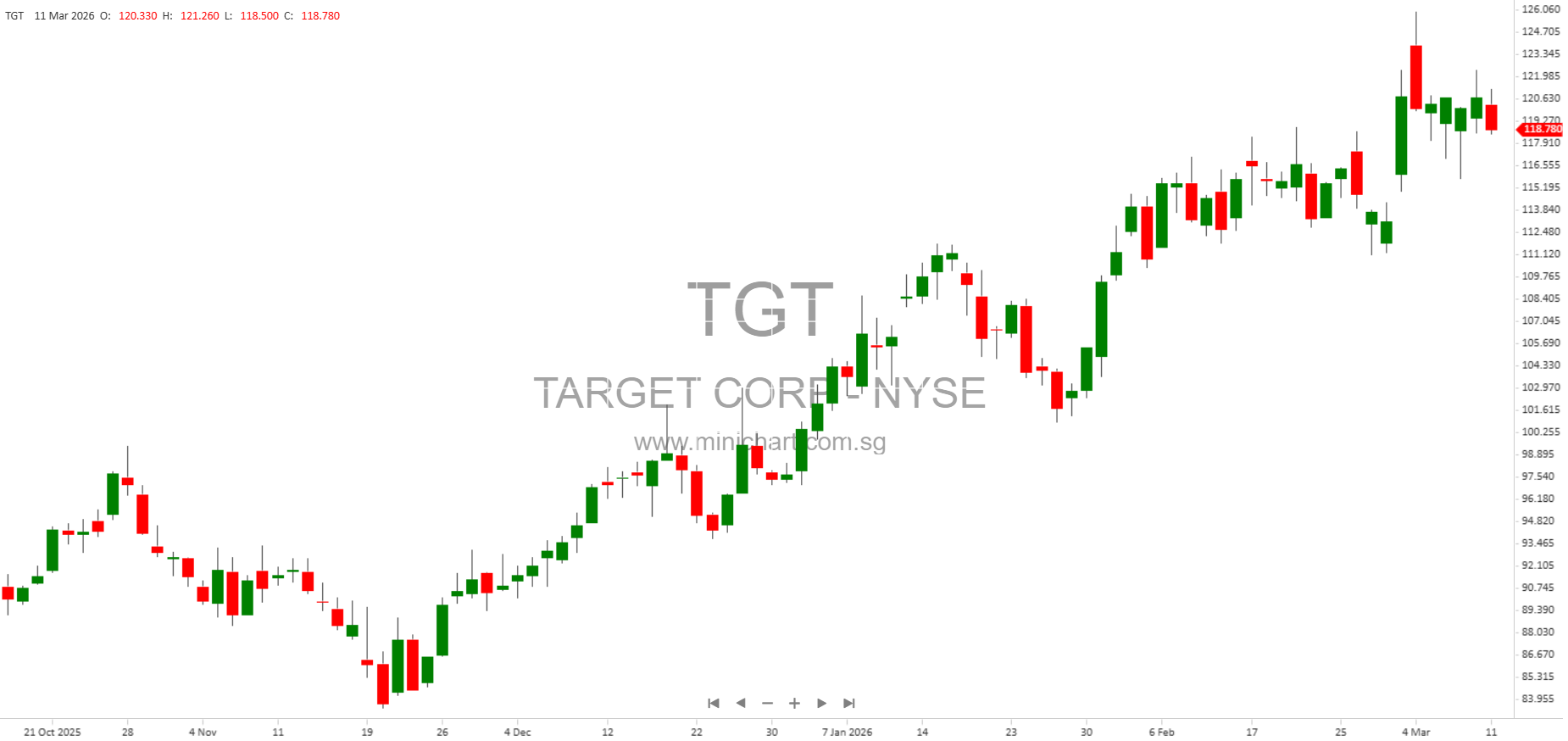
- Trading Symbol: TGT on the New York Stock Exchange.
- Well-Known Seasoned Issuer: Target is classified as a well-known seasoned issuer, indicating robust compliance and reporting status.
- Internal Controls: The company’s management assessment of internal controls over financial reporting was attested to by its registered public accounting firm, confirming compliance and transparency.
Strategic Priorities and Business Transformation
Target has embarked on a company-wide business transformation to increase speed and agility across its organization. This initiative focuses on:
- Accelerating technology to enable personalization, improve execution, and support scalable growth.
- Strengthening team and communities by developing a future-ready workforce through skills, leadership, and tools to amplify human performance.
- Continuing its history of financial giving and volunteering.
These efforts are intended to simplify cross-functional processes, increase role clarity, and leverage technology (including artificial intelligence) and data to enhance decision-making and reduce costs.
However, the report cautions that the success of these initiatives depends on effective execution and change management. Any failure to effectively adopt or execute these strategies could negatively impact Target’s competitive position, results of operations, and financial condition. The company also notes additional costs related to business transformation, including potential impairments of long-lived assets.
Risks and Shareholder Considerations
Competitive and Reputational Risks
- The company’s continued success is heavily dependent on positive public perception. Negative publicity or sensationalism, including content produced by generative AI or bad actors, could adversely impact relationships with guests, team members, vendors, and shareholders.
- In 2025, Target modified and concluded certain diversity, equity, and inclusion initiatives, resulting in adverse reactions, consumer boycotts, and negative publicity. This has led to increased scrutiny from government entities and the risk of litigation or regulatory proceedings.
- Target warns that failure to achieve environmental, political, social, and governance goals, or changes to these initiatives, could provoke negative reactions and impact share values.
Economic and Geopolitical Risks
- Political or economic uncertainty (including trade policies, sanctions, pandemics, labor unrest, natural disasters, and geopolitical conflicts) has previously disrupted supply chains, increased costs, and affected results of operations. The company relies on administrative functions in India, making it vulnerable to disruptions in that region.
- Shareholder activism can influence corporate strategy, capital allocation, and ESG matters, potentially resulting in increased costs and volatility in the stock price.
- Uncharacteristic weather conditions and climate change could impact consumer shopping patterns and supply chains, affecting sales and profitability, especially in apparel and seasonal categories.
Technology, Data Privacy, and Regulatory Risks
- Target’s technology systems are subject to potential damage or interruption from outages, cyberattacks, and third-party failures. Such incidents could disrupt business operations and negatively affect the company’s reputation and financial results.
- Changes in data privacy laws and regulations, as well as new policies from third-party platforms, may impact Target’s advertising business model (Roundel). Increased competition from AI-enabled advertising solutions may pressure demand for Target’s services.
- Regulatory developments, including those related to ESG initiatives, may expose Target to litigation, investigations, and compliance costs.
Price-Sensitive Information for Shareholders
- Conclusion of Diversity, Equity, and Inclusion Initiatives: Target’s modification and conclusion of certain DEI initiatives in 2025 resulted in consumer boycotts and negative publicity, which could materially impact brand reputation and sales.
- Business Transformation Risks: The success or failure of Target’s business transformation initiative could significantly affect operational efficiency, cost structure, and long-term profitability.
- Regulatory and Legal Scrutiny: Changes in ESG-related practices and increased regulatory scrutiny could lead to litigation or fines, impacting financial performance and share value.
- Shareholder Activism: Ongoing and potential activist campaigns may influence company strategy and drive volatility in share price, regardless of business fundamentals.
- Technology and Cybersecurity Risks: Any major disruption or breach could impact operations and erode investor confidence.
Conclusion
Target’s 2025 Annual Report signals a period of substantial transformation and risk. Shareholders should closely monitor developments related to business transformation, ESG initiatives, technology investments, and regulatory changes, as these could materially impact Target’s future profitability and share value. The company’s success will depend on effective strategic execution, risk management, and responsiveness to evolving public and regulatory expectations.
Disclaimer: This article is based on Target Corporation’s 2025 Annual Report and is intended for informational purposes only. It does not constitute investment advice. Investors should conduct their own research and consult with financial advisors before making investment decisions. Past performance is not indicative of future results. The company’s strategic direction, risks, and financial outcomes may change in the future.