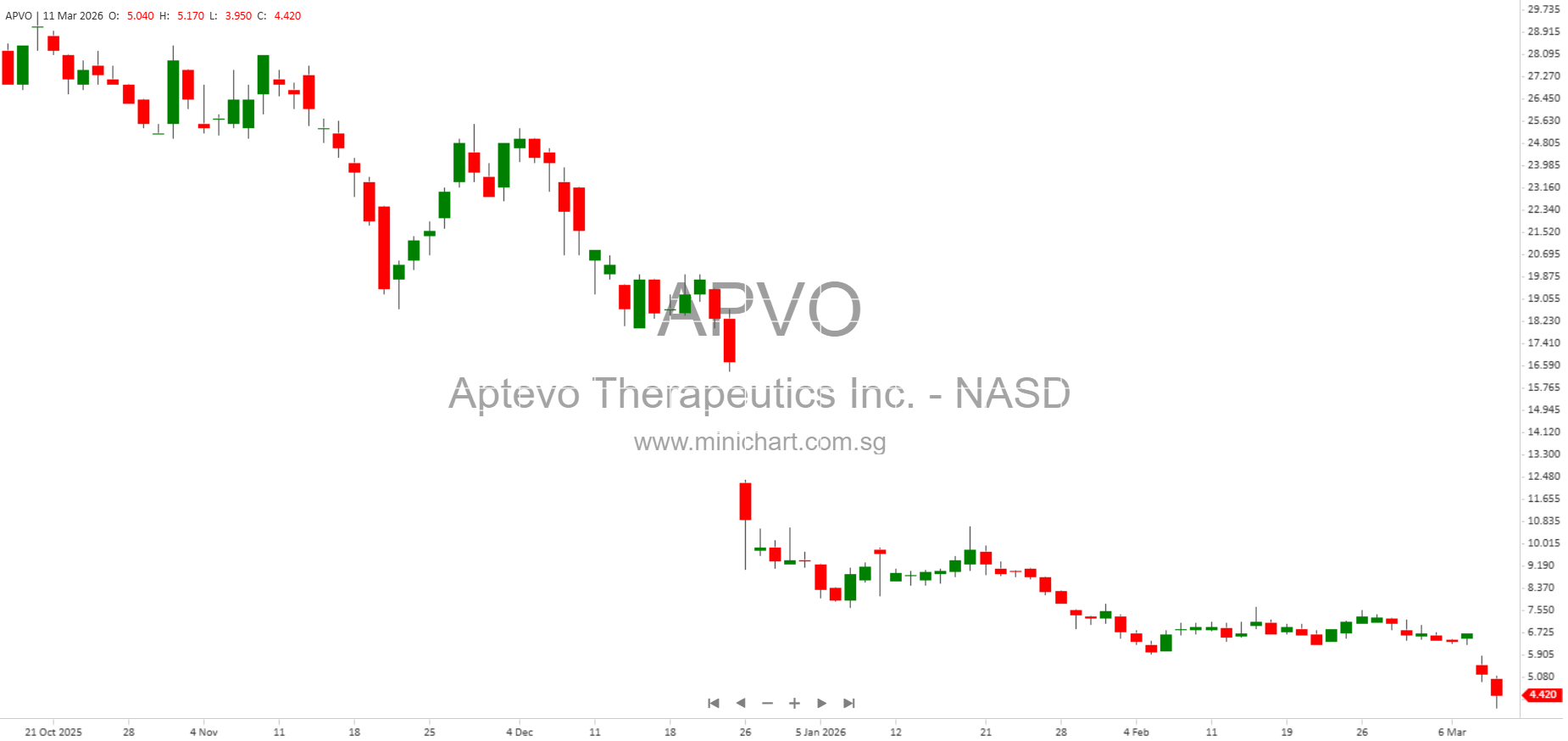
Aptevo Therapeutics Reports Promising Interim Data on Mipletamig in Frontline AML: 86% Clinical Benefit Rate and Zero CRS
Key Highlights from Aptevo’s Latest Clinical Update
- 86% Clinical Benefit Rate (CBR): Mipletamig, in combination with venetoclax and azacitidine, demonstrated a compelling 86% CBR (CR/CRi/PR) in newly diagnosed acute myeloid leukemia (AML) patients who are elderly or unfit for intensive chemotherapy.
- Zero Cases of Cytokine Release Syndrome (CRS): Notably, no patients experienced CRS, a common and potentially severe side effect associated with immunotherapies.
- High Remission Rates: Of the evaluable frontline population (N=28), 79% achieved complete remission (CR) or complete remission with incomplete blood count recovery (CRi), and 61% achieved CR.
- Durable Responses: 55% of patients with CR/CRi reached measurable residual disease (MRD)-negative status, which typically correlates with more durable remissions.
- Activity in High-Risk Populations: 35% of patients with remissions had the high-risk TP53 genetic mutation, a group usually associated with poor outcomes and frequent treatment failure.
- Successful Stem Cell Transplants: Four patients have proceeded to allogeneic stem cell transplant, the best possible outcome in AML, which is rarely achieved in older or unfit populations.
Details of the Clinical Trials and Results
Mipletamig is being studied in combination with venetoclax and azacitidine in two clinical trials, including the ongoing RAINIER trial and a completed dose expansion trial. In total, data was reported from 28 evaluable patients (24 from RAINIER and 4 from the earlier study). The combination delivered robust clinical activity, with no increased toxicity relative to the current standard-of-care.
According to Dirk Huebner, M.D., Chief Medical Officer of Aptevo, the most encouraging aspect is the consistent absence of CRS and favorable safety and tolerability profile, even as the number of evaluable patients has grown. This is critically important because therapies in the frontline AML setting must integrate smoothly with established regimens for older and unfit patients who have limited treatment options.
Marvin White, President and CEO, emphasized that mipletamig has the potential to become a meaningful addition to frontline AML treatment by integrating with the current standard-of-care and improving outcomes for patients with poor prognosis. The company is committed to advancing the RAINIER trial and producing the necessary data to support mipletamig’s long-term role in AML therapy.
Safety and Tolerability
Mipletamig’s favorable safety profile was reinforced by the absence of CRS and other toxicities commonly seen with immunotherapies. This consistency in safety, coupled with strong efficacy, suggests mipletamig may offer a superior therapeutic option for older AML patients or those with comorbidities who cannot tolerate intensive treatments.
About Mipletamig and the RAINIER Trial
- Mipletamig: Aptevo’s lead proprietary drug candidate is designed to redirect the immune system to target leukemic cells and leukemic stem cells expressing the antigen CD123. Its unique CRIS-7-derived CD3 binding pathway is intended to reduce CRS risk while maintaining efficacy. Mipletamig has orphan drug status for AML, providing potential U.S. market exclusivity upon approval, FDA fee reductions, and access to tax/development credits. It has been tested in over 120 patients across three trials.
- RAINIER Trial: A Phase 1b/2 multi-center, open-label dose optimization study for newly diagnosed AML patients unfit for intensive chemotherapy. The current Phase 1b portion consists of 28-day treatment cycles in sequential cohorts, to be followed by a Phase 2 study.
Potential Price-Sensitive Information for Investors
- Transformative Efficacy and Safety: The combination of high efficacy (86% CBR, 79% CR/CRi) and a favorable safety profile with zero CRS could differentiate mipletamig in a crowded AML market, attracting investor interest and influencing share price.
- Activity in High-Risk Patients: Demonstrated benefit in TP53-mutant AML—a notoriously hard-to-treat group—could position Aptevo as a leader in this underserved segment.
- Pathway to Approval: Orphan drug status and ongoing clinical trial progress provide regulatory and commercial advantages, potentially shortening the timeline to market and improving future revenues.
- Strategic Milestones: Ongoing enrollment and future data readouts from the RAINIER trial are key catalysts. Success in these milestones could significantly impact Aptevo’s valuation.
Forward-Looking Statements and Risks
The company acknowledges that these interim results, while encouraging, are subject to further validation in later-stage trials. The combination nature of the therapy may complicate attribution of benefits specifically to mipletamig. Additional risks cited include the possibility of different outcomes in future trials, regulatory hurdles, business and market disruptions, and macroeconomic factors.
Contact Information
- Miriam Weber Miller, Vice President, Investor Relations & Corporate Communications
- Email: [email protected] or [email protected]
- Phone: 206-859-6628
Disclaimer: This article contains forward-looking statements based on interim clinical results and Aptevo management commentary. Actual results may differ due to clinical, regulatory, or market risks. Investors should exercise caution and consult official SEC filings before making investment decisions. This article is not investment advice.