Overview
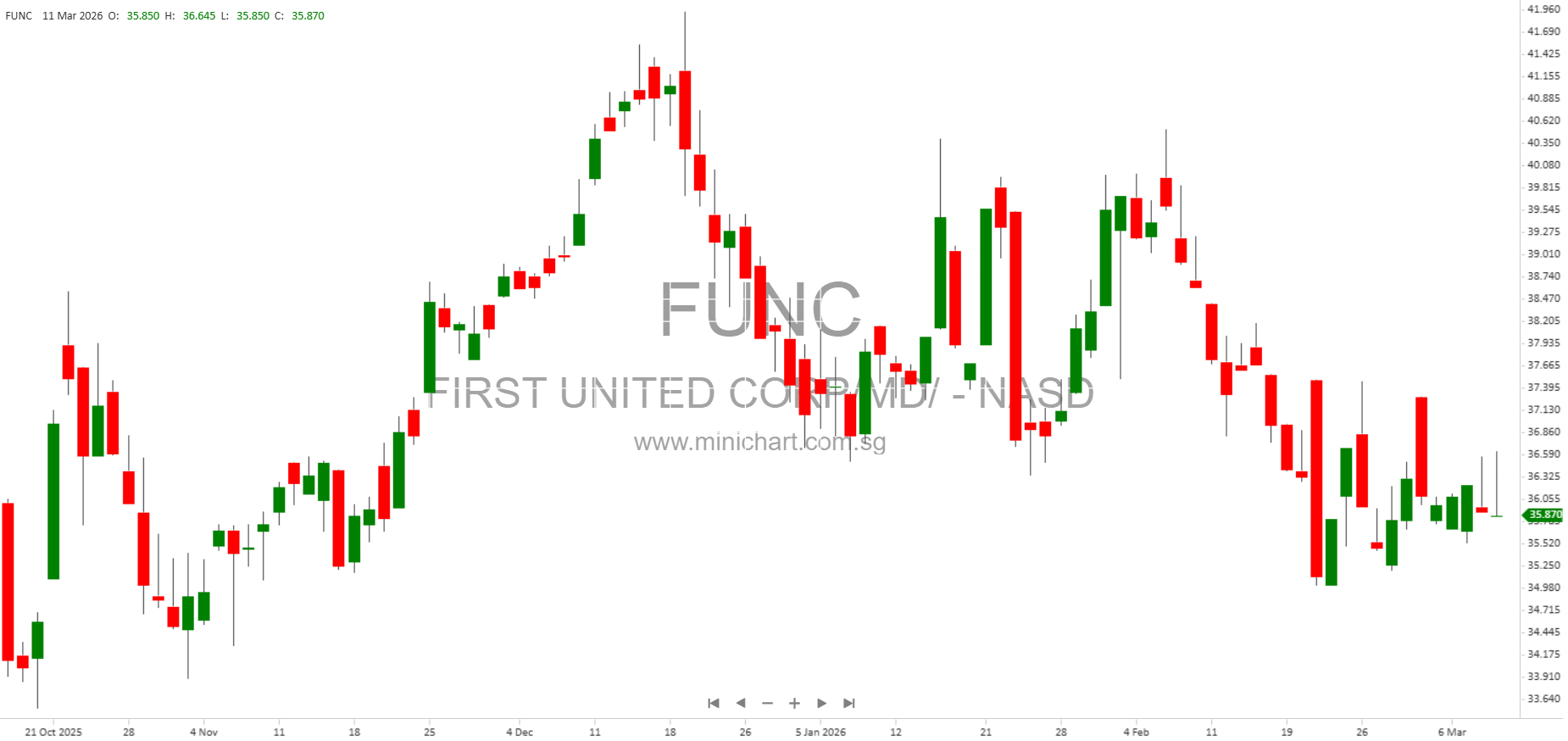
First United Corporation (FUNC), a Maryland-based national commercial bank, has released its 10-K annual report for the fiscal year ended December 31, 2025. The report provides comprehensive insight into the bank’s financial position, operational segments, risk exposures, and asset quality. Investors and shareholders should carefully review this document, as it contains information that could significantly impact FUNC’s share price and future outlook.
Key Financial Highlights
-
Operating Segments: FUNC continues to operate through three main segments:
- Community Banking
- Wealth Management
- Trust and Investment Services
These segments reported differentiated revenue streams, including miscellaneous other service income, debit card income, brokerage commissions, and trust department income. Segment performance is a critical driver of overall profitability and shareholder returns.
-
Asset Quality and Loan Portfolio:
- The loan portfolio is diversified across consumer, commercial, and real estate loans. The report details both performing and non-performing loans in each segment, with internal credit assessments categorized as Pass, Substandard, and Special Mention.
- Special attention is drawn to specific loan classes, including commercial real estate—both owner and non-owner occupied, residential mortgage, home equity, and construction financing. The quality of these assets, especially the ratio of non-performing to performing loans, is crucial for future earnings and capital adequacy.
-
Investment Securities:
- FUNC holds a significant portfolio in available-for-sale and held-to-maturity securities. The report extensively lists classes such as corporate debt, collateralized debt obligations (CDOs), U.S. government agency debt, mortgage-backed securities (MBS), and commercial MBS.
- Fair value hierarchy disclosures show exposure to Level 1, Level 2, and Level 3 assets, highlighting the degree of market liquidity and valuation uncertainty.
-
Defined Benefit Plan Assets:
- The bank’s pension plan assets are diversified into fixed income securities, equity securities, cash equivalents, U.S. Treasury and government securities, preferred stock, and fixed income funds. The fair value of these assets, including those measured at Level 1 and Level 2, is disclosed, which impacts the bank’s long-term obligations and earnings stability.
-
Short-term Debt and Repurchase Agreements:
- FUNC’s report provides details on short-term debt, specifically securities sold under agreements to repurchase. The size and quality of these positions affect liquidity risk and funding stability.
-
Equity Components and Comprehensive Income:
- Shareholders should note changes in retained earnings, common stock, additional paid-in capital, and accumulated other comprehensive income. These components are impacted by reclassifications, amortization of recognized income, and gains/losses from investment securities.
-
Tax Matters:
- The report references state and local tax jurisdictions, including Maryland, which could affect net income and future tax liabilities.
Potential Share Price Sensitive Information
- Loan Quality Trends: There are detailed disclosures on non-performing loans in both consumer and commercial segments. Any increase in non-performing loans or deterioration in credit assessment (Substandard or Special Mention) could negatively impact earnings and share value.
- Fair Value and Impairment of Securities: Significant holdings in Level 3 assets and CDOs, along with disclosures about reclassifications and amortization of recognized income, indicate the potential for volatility in earnings due to changes in market values or impairment charges.
- Pension Plan Asset Valuations: Changes in the fair value of pension assets, especially if there are losses in equities or fixed income, can affect FUNC’s reported earnings and long-term financial stability.
- Segment Performance and Revenue Streams: Shifts in the profitability of operating segments, particularly Wealth Management and Trust Services, may signal changes in the company’s growth prospects or risk profile.
- Liquidity and Funding Risks: The bank’s use of repurchase agreements and short-term debt instruments is material. Any changes in the liquidity profile or funding costs could have an immediate impact on share price.
- Tax Jurisdiction Changes: Updates regarding state and local tax liabilities may affect net income and dividend policy, which shareholders will want to monitor.
Important Notes for Shareholders
- Capital Structure Changes: Shareholders should monitor changes in common stock, paid-in capital, and retained earnings. These affect FUNC’s ability to pay dividends and support future growth.
- Segment Results: Detailed segment reporting allows investors to understand which business areas are driving growth or facing challenges.
- Asset Quality and Credit Risk: The breakdown of loan portfolio by credit assessment and performance status is crucial for understanding FUNC’s risk exposure and provisioning needs.
- Investment Securities Exposure: The composition and fair value of FUNC’s investment portfolio may impact future earnings and capital requirements, especially in volatile markets.
- Pension Plan Funding: The sufficiency and valuation of defined benefit plan assets can affect long-term obligations and shareholder value.
- Potential for Earnings Volatility: Exposure to Level 3 assets, reclassification of gains/losses out of accumulated other comprehensive income, and impairment charges could lead to earnings volatility.
Conclusion
The 2025 annual report from First United Corporation includes several disclosures that are material for investors. Asset quality trends, investment securities valuations, segment performance, and pension plan asset values are all factors that could drive future share price movements. Shareholders should closely monitor these areas for potential risks and opportunities.
Disclaimer: This article is for informational purposes only and does not constitute investment advice. Investors should review the full 10-K filing and consult with a qualified financial advisor before making any investment decisions related to First United Corporation (FUNC).