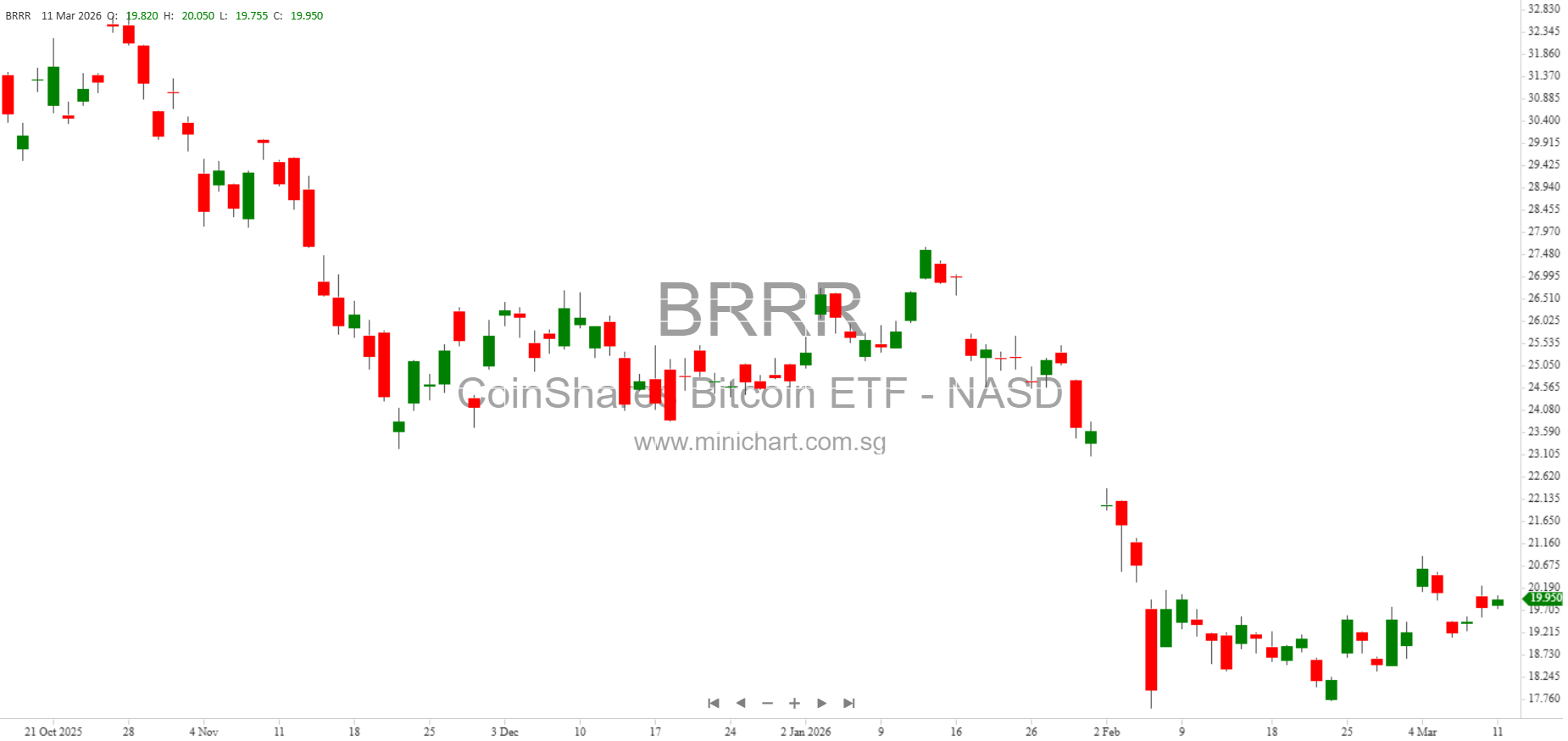
CoinShares Bitcoin ETF (Nasdaq: BRRR) has released its latest Annual Report, offering a comprehensive look into the fund’s performance, operational structure, risk factors, and the evolving regulatory landscape of digital assets. This detailed breakdown is crafted for investors, highlighting price-sensitive matters and actionable insights that could impact share value.
Key Points from the Annual Report
- Investment Objective: The ETF aims for its shares to reflect the performance of bitcoin’s value as represented by the CME CF Bitcoin Reference Rate – New York Variant, net of the fund’s liabilities and expenses. The Sponsor may substitute an alternative index or valuation methodology at its sole discretion without prior shareholder approval—an important flexibility for investors to monitor.
- Market Listing: Shares are listed on The Nasdaq Stock Market under the ticker symbol “BRRR.” As of January 31, 2026, there were 21,405,000 shares outstanding, and the aggregate market value of common equity held by non-affiliates as of June 30, 2025, was \$77,524,460.
- ETF Structure: The Trust is classified as a non-accelerated filer, a smaller reporting company, and an emerging growth company. It is not a shell company, and there are no documents incorporated by reference in this filing.
Investor-Sensitive Issues and Potential Share Price Drivers
1. Extreme Volatility in Bitcoin and Digital Asset Markets
The report underscores that bitcoin and other digital assets have experienced extreme price volatility in both recent and past periods. This volatility is driven by factors such as macroeconomic conditions, regulatory developments, market sentiment, and liquidity shocks. Notably, while the emergence of exchange-traded products and institutional risk management tools has matured the market, price swings remain pronounced. Extreme volatility or future declines in bitcoin prices could have a material adverse effect on the value of ETF Shares, with the risk that shares could lose all or substantially all value.
2. Regulatory Uncertainty and Potential for Significant Change
Ongoing and future regulatory actions—both in the U.S. and globally—pose a major risk to the ETF and its underlying asset. The U.S. Congress and multiple federal and state agencies are actively examining digital asset networks and markets, and new rules or enforcement actions could materially affect the ETF’s operations and the price of bitcoin. Recent legislative proposals (such as the Lummis-Gillibrand Responsible Financial Innovation Act and the Digital Asset Market Structure Discussion Draft) aim to create a comprehensive regulatory regime, but substantial uncertainty remains around their implementation, enforcement, and long-term impact.
The SEC has expressed concerns about potential market manipulation and fraud in digital asset markets, and the ETF’s compliance with evolving regulatory standards is critical. Any adverse regulatory developments, such as prohibitions, heightened regulations, or enforcement actions, could significantly impact share value.
3. Operational Risks and Structural Details
- Creation and Redemption Process: ETF shares are created and redeemed for cash via authorized participants, who are required to be registered broker-dealers or otherwise qualified. Operational failures or regulatory changes affecting these participants could disrupt ETF liquidity and pricing.
- Valuation Methodology: The fair market value of the ETF’s bitcoin holdings is determined daily as of 4:00 p.m. ET by the Benchmark Administrator, based on independently calculated indices. Changes in index methodology (without shareholder approval) could materially impact NAV calculations and share price accuracy.
- Expenses: The Sponsor covers most operating expenses, but retains the right to redesignate any expense as a trust expense, potentially increasing costs for shareholders.
4. Risks Related to Bitcoin Network and Market Infrastructure
- Limited Operating History: Bitcoin and blockchain technology have a limited track record compared to traditional assets, making medium- to long-term value projections highly uncertain.
- Market and Technology Risks: Network upgrades, forks, software flaws, or cryptographic vulnerabilities—especially with the potential advent of quantum computing—could impair bitcoin’s value and the ETF’s NAV.
- Potential for Market Manipulation: The ETF’s index provider may change constituent trading platforms due to manipulation or unreliable data, potentially affecting NAV and trading price.
5. Shareholder Rights and Disclosures
- Forks and Airdrops: Shareholders may not receive the benefits of bitcoin forks or airdrops, which could result in foregone value relative to holding bitcoin directly.
- Transparency and Reporting: The sponsor maintains a website for timely access to annual, quarterly, and current reports. All material changes to the index methodology or expense structure will be communicated via SEC filings or supplements.
Summary for Investors: Watch These Key Risk Areas
- Price volatility in bitcoin remains the most significant risk and opportunity driver for the ETF.
- Regulatory changes or enforcement actions could rapidly alter the fund’s operations or the value of its shares.
- Operational, market, and technology risks inherent in the digital asset ecosystem may impact valuation and investor returns.
- Shareholder exposure to forks, airdrops, and changes in index methodology may result in value deviations compared to direct bitcoin ownership.
Disclaimer
This article is for informational purposes only and does not constitute investment advice. Investors should conduct their own due diligence and consult with a financial advisor before making any investment decisions. The risks associated with digital asset investments are significant, and past performance is not indicative of future results.