BETA Technologies, Inc. 2025 Annual Report: Key Investor Highlights and Risks
Overview
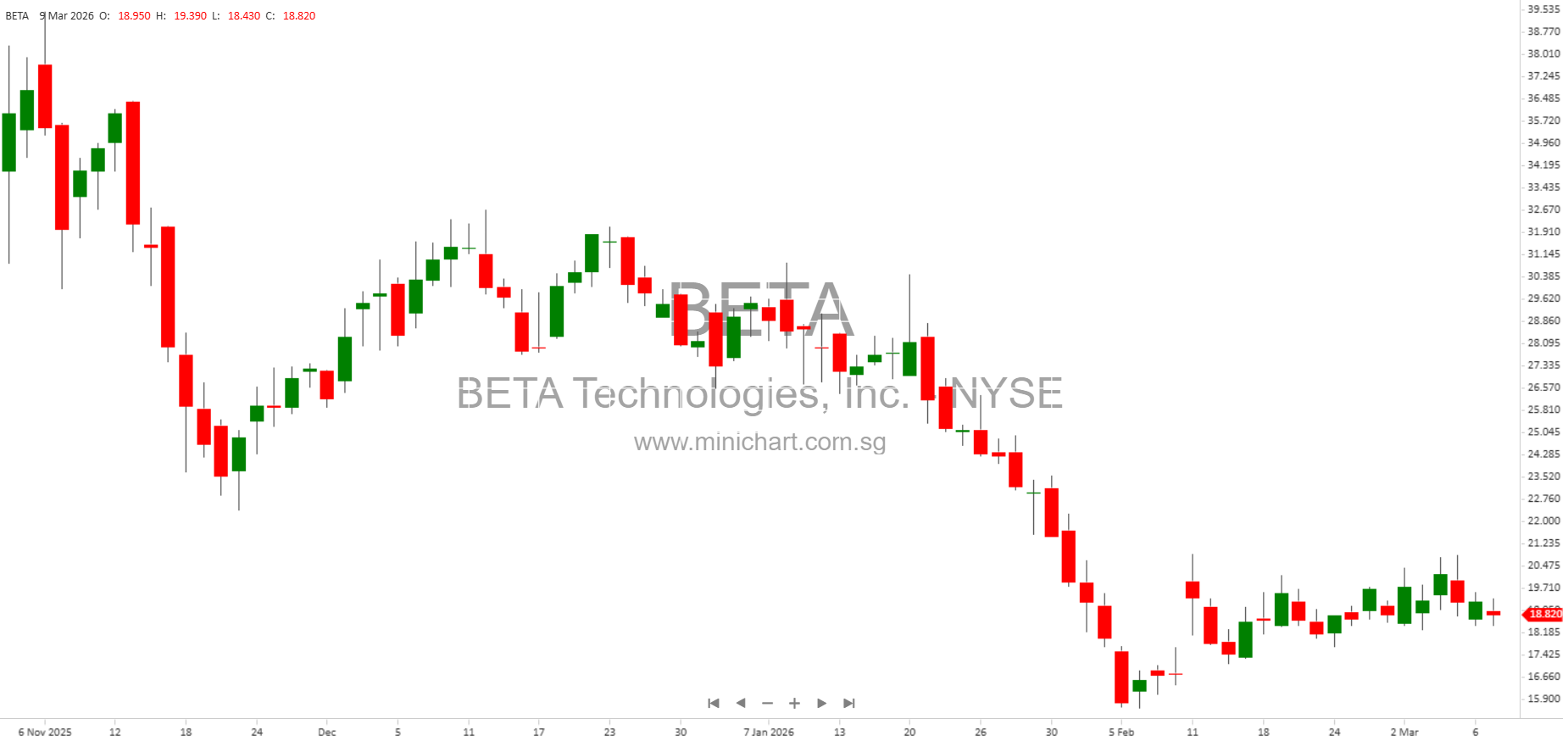
BETA Technologies, Inc. (“BETA” or the “Company”) has released its 2025 Annual Report, marking its first year as a publicly traded company on the New York Stock Exchange (NYSE: BETA) since its debut on November 3, 2025. The Company is a designer, manufacturer, and seller of electric aircraft platforms, propulsion systems, batteries, and associated charging infrastructure, positioning itself as a transformative player in the aerospace industry.
Key Financial and Corporate Highlights
- IPO and Public Listing: BETA’s Class A common stock began trading on the NYSE on November 3, 2025, with 221,249,271 shares of Class A and 8,501,484 shares of Class B outstanding as of March 4, 2026.
- Company Structure: BETA is incorporated in Delaware, headquartered in South Burlington, Vermont, and classified under the Aircraft [3721] SIC code.
- Emerging Growth Company: BETA qualifies as an “emerging growth company” under SEC rules, allowing it to provide reduced disclosure and benefit from certain regulatory exemptions.
- No Public Market at Mid-Year: As of June 30, 2025, there was no established public trading market for BETA’s equity securities.
Business Model and Revenue Streams
BETA’s business model is built around four key revenue streams:
- Selling electric aircraft to military and commercial customers, including UPS, Air New Zealand, and United Therapeutics.
- Selling replacement batteries in the aftermarket to operators.
- Commercializing core technologies developed for the aircraft, potentially through licensing or direct sales.
- Building and operating a charging infrastructure network, enabling both internal use and potential third-party access on a fee basis.
Major Risks and Price-Sensitive Issues for Shareholders
The Company identifies a comprehensive set of risk factors that investors must consider, many of which are likely to be price sensitive and could significantly impact BETA’s share value. Key risks include:
- Access to Capital: BETA’s growth plans require significant capital. The Company’s ability to raise funds affordably in the capital markets is uncertain and critical for ongoing operations and expansion.
- Revenue Generation: The Company’s future depends on its ability to successfully generate revenue from electric aircraft, batteries, core technologies, and charging infrastructure. This is unproven at scale.
- Product Development and Certification: BETA must successfully design, manufacture, certify, and roll out new aircraft without significant delays. Certification in the aerospace sector is complex and could face unforeseen hurdles.
- History of Losses: The Company has a history of significant losses and does not guarantee future profitability. Investors should expect ongoing volatility as BETA continues its growth and development phase.
- International Expansion: Growth plans depend on the ability to establish and scale operations internationally, exposing BETA to regulatory and market-specific risks.
- Charging Network Risk: The Company’s ability to deploy its charging infrastructure depends on location-specific regulations and broader electric aviation adoption.
- Industry Adoption: Market acceptance of electric aircraft and supporting infrastructure is not assured and is vital for BETA’s success.
- Leadership Dependence: The Company is heavily reliant on founder and CEO Kyle Clark. His continued leadership is seen as critical, and his loss could adversely affect BETA’s performance and share value.
- Supplier and Customer Concentration: BETA is dependent on select suppliers for key components and on significant customers for revenue. Loss of a major customer or payment default could materially impact revenue.
- Regulatory Compliance: Operating in the highly regulated aerospace and electric aviation sectors, BETA faces potential risks from changing regulations, certification delays, and compliance costs.
- Multi-Class Share Structure: The Company’s dual-class share structure gives Kyle Clark control, which may not always align with the interests of other stockholders.
- No Dividend Policy: BETA currently does not intend to pay dividends, opting instead to reinvest any future earnings into growth and operations.
- Market and Trading Risks: As a newly listed, emerging growth company, BETA’s stock may be volatile. Additional equity or debt financings could dilute existing shareholders or depress the share price.
- Potential for Legal and Governance Challenges: The Company could face legal actions, including product liability claims, securities litigation, and challenges related to its controlled company status and exclusive forum provisions.
- Exposure to Global Economic Factors: Tariffs, inflation, interest rates, recession, public health threats, and global conflicts may impact BETA’s operations and financial results.
What Shareholders Must Watch Going Forward
- Progress on aircraft certification and commercialization, which directly impact future revenue and share value.
- Execution of large customer contracts and the addition (or loss) of key customers.
- Capital raises, new partnerships (such as with GE Aerospace), and any changes to the Company’s leadership or strategic direction.
- Regulatory and legal developments, especially those affecting product certification and charging infrastructure deployment.
- Operational metrics: production ramp, battery and infrastructure sales, and expansion of the charging network.
- Market adoption rates for electric aircraft, which will drive both top-line growth and investor sentiment.
- Any changes to the Company’s risk factor disclosures, as these may signal new or intensified threats to the business.
Summing Up
BETA Technologies offers investors exposure to a high-growth, high-risk segment of the aerospace market. The Company’s successful public listing, innovative revenue model, and partnerships with marquee customers are positive indicators. However, investors should remain alert to the Company’s considerable execution risks, dependence on market adoption, and its need for substantial ongoing capital.
Any developments related to capital raising, execution of large orders, regulatory milestones, or significant leadership changes could prove highly price sensitive and are likely to move the stock.
Disclaimer: This article is for informational purposes only and does not constitute investment advice. Investors should consult their own advisors before making any investment decisions. The information is based on the Company’s 2025 Annual Report and may be subject to change or updates based on future SEC filings or market developments.