Traeger, Inc. FY2025 Annual Report: Key Investor Insights
Overview
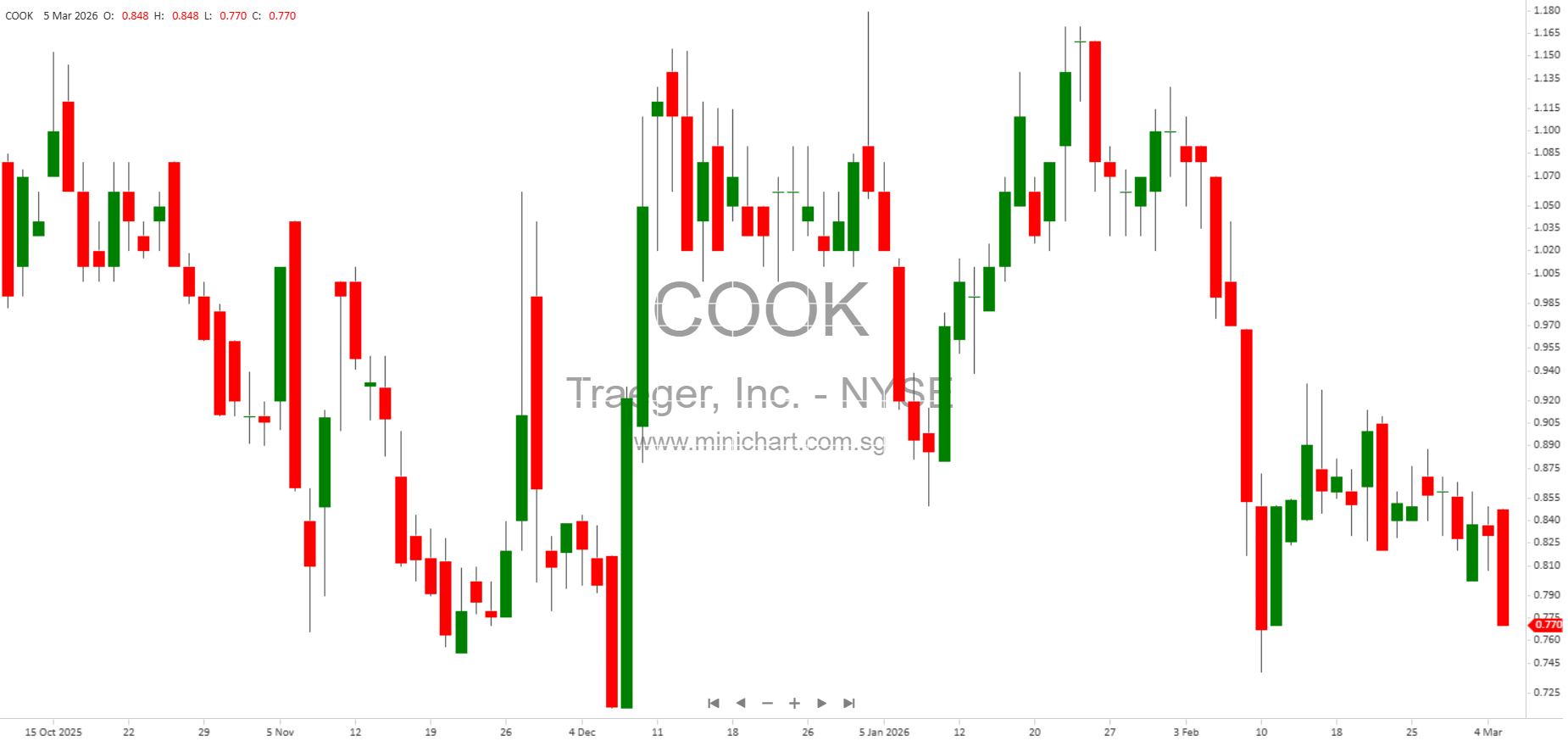
Traeger, Inc. has released its Form 10-K for the fiscal year ended December 31, 2025, providing shareholders and investors with a comprehensive update on its financial status, operational strategies, and risk factors. The company, listed on the New York Stock Exchange under the ticker “COOK,” continues to be classified as an emerging growth company and a smaller reporting company. With a market capitalization of approximately \$64.9 million as of June 28, 2025, and 137,251,532 shares outstanding as of March 3, 2026, the report contains critical information that could influence share value.
Key Points from the Report
- Strategic Optimization Initiative – Project Gravity:
- On May 15, 2025, the Board approved Project Gravity, a multi-step optimization plan targeting cost reduction, organizational streamlining, and improved profitability and cash flow.
- Actions include a reduction in force, centralizing the MEATER business into Salt Lake City, and channel realignment.
- While the initiative aims for long-term efficiency and profitability, there is risk that anticipated benefits may not be realized, and operational centralization could adversely affect business, results of operations, and company culture.
- Financial Performance and Position:
- Traeger reported a net loss of \$115.2 million for the year ended December 31, 2025, highlighting continued challenges in achieving profitability.
- Accumulated deficit stands at \$804.1 million, raising concerns about long-term financial sustainability.
- Operating expenses are expected to fluctuate due to ongoing investments in innovation and product enhancements. The company cautions that revenue may continue to decline due to competition and maturation of the business.
- Revenue Concentration Risk:
- A significant portion of revenue is derived from sales to retailers, with three retailers accounting for the majority of revenue.
- Any decline in demand from these retailers or their failure to perform could materially impact Traeger’s financial results and stock price.
- Brand, Market Expansion, and Product Quality:
- The company emphasizes the importance of maintaining and strengthening its brand to drive demand for its products.
- Expansion into additional markets is a growth priority, but may not be successful, and unfamiliarity or resistance to premium pricing could hamper growth, especially internationally.
- Product quality and performance at acceptable costs are critical; any failure in this area could seriously impact market acceptance and results.
- Supply Chain and Manufacturing Risks:
- Traeger relies on a limited number of third-party manufacturers. Disruptions or loss of suppliers, or inability to obtain raw materials, could harm business and financial results.
- Inventory management is a challenge: excess inventory may lead to write-downs, discounted sales, and impaired brand image, while underestimated demand could cause product shortages and lost sales.
- Competitive and Regulatory Environment:
- The company operates in a highly competitive market and faces risks from both existing and future competitors.
- Use of social media and community ambassadors is a double-edged sword, potentially boosting brand but exposing the company to reputational risks and regulatory penalties.
- Traeger is a “controlled company” under NYSE rules, qualifying for exemptions from certain corporate governance requirements, which means shareholders may not have protections common to other companies.
- International Operations and Macroeconomic Risks:
- Significant international operations expose Traeger to risks such as currency fluctuations, increased difficulty in protecting intellectual property, and compliance with global environmental and regulatory standards.
- Adverse weather, trade policies, tariffs, and global supply chain constraints (including higher logistics costs) may impact sales, profitability, and financial results.
- Forward-Looking Statements and Risk Factors:
- The report contains numerous forward-looking statements regarding future results, plans, and market conditions, which are subject to risks and uncertainties.
- Investors are cautioned that actual results may differ materially from those anticipated, particularly in light of the risks outlined in the report.
Shareholder and Price-Sensitive Information
- Project Gravity: The success or failure of this strategic initiative in delivering cost savings and improved profitability is likely to significantly impact investor confidence and share price.
- Ongoing Net Losses and Accumulated Deficit: Continued operating losses and a large deficit may pressure share value and raise questions about the company’s ability to achieve profitability.
- Revenue Concentration: Heavy reliance on a few retailers means any disruption or loss of these customers could be highly price-sensitive.
- Risk of Delisting: If Traeger fails to meet NYSE listing standards, its shares could be delisted, materially impacting shareholder value.
- Controlled Company Status: Shareholders may lack some governance protections, which could be material to investor decisions.
- Supply Chain Vulnerabilities: Any significant disruption in manufacturing or raw materials could quickly impact financial results and share price.
- Potential Product Quality Issues: Problems with product quality or recalls could materially affect reputation, sales, and share value.
- International Risks: Exposure to currency, regulatory, and supply chain risks abroad may impact the company’s financial performance.
Conclusion
Traeger, Inc.’s FY2025 annual report outlines a company in transition, tackling substantial strategic, operational, and financial challenges. The implementation and outcome of Project Gravity, ongoing net losses, and revenue concentration risks are particularly critical for investors. The company’s controlled status and reliance on third-party manufacturers introduce additional risks that shareholders must carefully monitor. Any significant developments in these areas could materially affect share price and investor sentiment.
Disclaimer
This article is for informational purposes only and does not constitute investment advice. Investors should conduct their own due diligence and consult with a qualified financial adviser before making any investment decisions. The forward-looking statements contained herein are subject to risks and uncertainties, and actual outcomes may differ materially from projections.