Invitation Homes Inc. Announces Significant Executive Compensation Changes and Retention Program
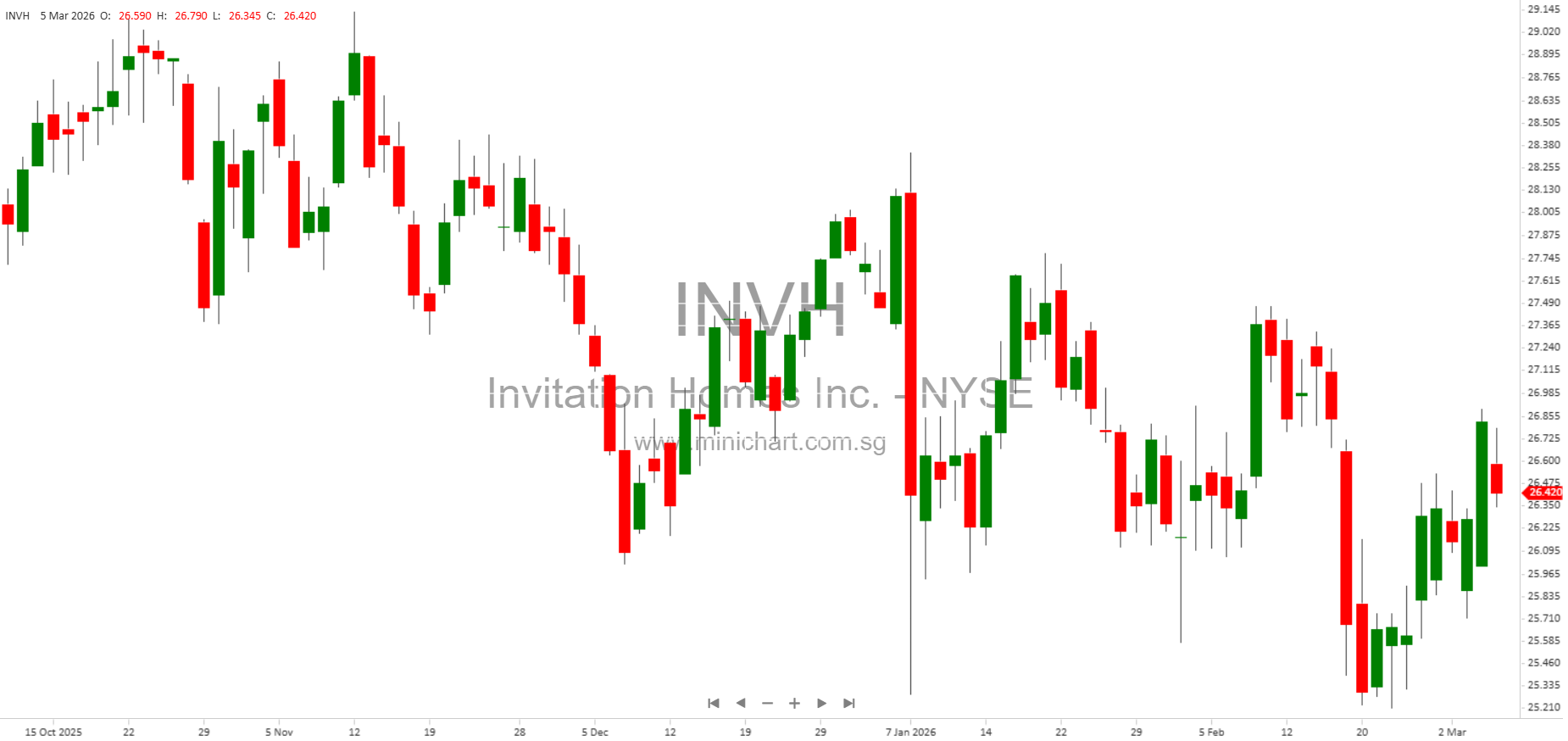
Invitation Homes Inc. (NYSE: INVH) has announced a series of substantial changes to its executive compensation and retention programs following the company’s strong performance in 2025. These changes, approved by the Compensation and Management Development Committee of the Board of Directors on March 1, 2026, are likely to be closely watched by investors due to their potential implications for leadership stability and long-term shareholder value.
Key Points from the Report
-
Increased Long-Term Incentive Awards: The Compensation Committee approved significant increases in target long-term incentive awards (LTIP) for key executives:
- Dallas Tanner (President & CEO): Increased to \$11,293,950
- Jonathan Olsen (EVP & CFO): Increased to \$2,700,000
- Timothy Lobner (COO): Increased annual cash incentive target to 150% and LTIP to \$2,220,000
- Scott Eisen (EVP & CIO): Increased to \$3,550,000
-
Structure of the 2026 Long-Term Stock Incentive Program (LTIP):
- The 2026 LTIP consists of a mix of time-vesting and performance-vesting Restricted Stock Units (RSUs).
- Performance-vesting RSUs will be earned based on the compounded annual growth rate (CAGR) of net operating income for a defined home population and the CAGR of total shareholder return (TSR) versus the Nareit Residential Index.
- A “TSR Modifier” can further increase earned RSUs based on outperformance.
- The maximum dollar value of performance-based RSUs is capped at 300% of the target number granted multiplied by \$55.00 per share.
- Payouts range from 0% (below threshold) to 200% (maximum performance), with linear scaling between levels.
- Specific target values for performance-vesting RSUs: Dallas Tanner – \$8,470,462; Jonathan Olsen – \$2,025,000; Timothy Lobner – \$1,665,000; Scott Eisen – \$2,662,500; Mark Solls – \$1,233,750.
-
Introduction of Extraordinary Retention RSU Awards:
- Due to heightened industry competition for executive talent and recent solicitation attempts (some successful) targeting its leadership, Invitation Homes is taking extraordinary steps to retain its senior leaders.
- The company is granting one-time Retention RSU Awards to key executives, including the CEO, with a vesting schedule of 65% after three years and 35% after four years, subject to continued employment (with limited exceptions).
- These awards are intended to ensure leadership stability and continuity as the company pursues its growth strategy.
-
Rationale for Retention Moves:
- The company has experienced significant momentum, operational improvements, and strategic partnerships under current leadership.
- The Board cited real risks of disruption, loss of critical knowledge, negative impacts on morale and shareholder confidence, and increased costs if further leadership departures occur at this stage of growth.
- The Board and Compensation Committee believe these actions are in the best interests of shareholders, aligning leadership incentives with long-term performance and value creation.
-
Forward-Looking Statements and Risks:
- The filing includes standard forward-looking statements regarding executive motivation, retention strategies, and the company’s prospects.
- Risks are enumerated, including potential variability in actual outcomes and reference to risk factors in the company’s latest Annual Report on Form 10-K.
-
Other Material Terms:
- Award notices and agreements include detailed definitions, clawback provisions (including in the event of restatements or breaches of restrictive covenants), and non-competition/non-solicit/confidentiality clauses for executives.
- RSUs are non-transferable except by will or law and are subject to forfeiture if the agreement is not accepted within 45 days of grant.
- Dividend equivalents will be paid on RSUs (whether vested or unvested) in the same form as dividends to shareholders.
Potential Shareholder Impact and Price Sensitivity
- Leadership Retention: The company’s proactive approach to retain top executives amidst intense industry competition is a material development. Leadership turnover, especially at this stage of growth, could have been disruptive and negatively impacted the company’s strategy and share value. Investors may view these moves positively, as they help ensure continuity and the execution of long-term plans.
- Alignment with Shareholders: The performance-based nature of the LTIP, including both operating income and total shareholder return metrics, directly aligns executive compensation with shareholder interests and market performance.
- Increased Compensation Costs: While these awards may represent a significant increase in executive compensation expense, the Board’s rationale is that the long-term value created by retaining a high-performing leadership team outweighs the cost.
- Risk Factors: The company acknowledges that external risks and uncertainties could affect the outcome of these retention strategies and overall performance, and investors should review the risk section of the 10-K for a full understanding.
Conclusion
The compensation and retention actions taken by Invitation Homes Inc. are highly significant for investors. They are designed to lock in key talent, maintain operational momentum, and align executive incentives with shareholder returns. This comprehensive approach to executive retention and performance compensation is likely to be seen as a prudent move to secure the company’s future growth and stability, especially in a competitive real estate environment. However, the increased compensation costs and execution risks are also factors investors should monitor going forward.
Disclaimer: This article is for informational purposes only and does not constitute investment advice. Investors should perform their own due diligence and consult with financial advisors before making investment decisions. Past performance is not indicative of future results. The company’s forward-looking statements are subject to risks and uncertainties as described in its filings with the SEC.