Ranpak Holdings Corp. 2025 Annual Report: Key Investor Takeaways
Overview
Ranpak Holdings Corp. (“Ranpak” or the “Company”) has published its Annual Report for the fiscal year ended December 31, 2025. The report provides a comprehensive update on the Company’s strategic direction, financial position, risk factors, and developments that could significantly impact shareholder value.
Key Highlights and Strategic Initiatives
- Market Position and Focus: Ranpak continues to position itself as a leading provider of environmentally sustainable protective packaging solutions, with a focus on paper-based products for e-commerce and industrial customers.
- Growth Strategy: The Company aims to grow through partnerships and acquisitions, targeting businesses that align with its sustainable product portfolio, technology, and geographic reach. Ranpak actively seeks accretive M&A opportunities and strategic partnerships to reinforce its market leadership.
- ESG Commitment: Ranpak has set ambitious Environment, Social, and Governance (ESG) targets, including sourcing at least 75% of its paper supply from recycled pulp and obtaining major sustainability certifications for its packaging products. As of 2024, the Company had already achieved its 2030 goal of sourcing at least 25% post-consumer waste (PCW) or alternative pulp.
- Financial Condition and Shareholder Structure: As of June 30, 2025, Ranpak reported a public float of approximately \$301.1 million, with 84,721,378 Class A common shares outstanding as of February 26, 2026. Notably, JS Capital remains a significant shareholder, holding approximately 36% of the outstanding shares.
Risks and Potential Price-Moving Information
1. Supply Chain and Raw Materials Risk
A critical risk highlighted in the report is the Company’s reliance on a limited number of suppliers for suitable paper used in its products. In 2025, about 60% of its North American and 27% of its global raw paper needs were sourced from Smurfit WestRock Company. Any disruption, price increase, or inability to secure sufficient supply from key suppliers could significantly impact production and financial results. This concentration risk is potentially price-sensitive, as it may affect both operational continuity and margins.
2. Market Trends and Customer Concentration
Ranpak’s revenue is closely tied to the purchasing behavior of e-commerce and industrial end-users. The Company notes the risk that a shift in consumer preference away from paper-based packaging, or inventory rebalancing efforts among large e-commerce customers, could materially reduce demand for Ranpak’s products. Furthermore, some key customers are actively seeking to reduce their packaging materials for environmental goals, which could decrease Ranpak’s sales volumes.
3. ESG and Regulatory Developments
The Company is subject to a complex and rapidly evolving set of global environmental, health, and safety regulations. New ESG and climate-related disclosure rules, such as the EU’s CSRD and California’s climate legislation, may result in increased compliance costs, reporting burdens, and potential liabilities. Failure to keep pace with these requirements or negative perceptions around ESG practices could adversely affect Ranpak’s market position and financial performance.
4. Financial and Capital Markets Risk
- Debt and Liquidity: Ranpak’s level of outstanding indebtedness could constrain its ability to invest in growth or respond to market disruptions, and may negatively impact shareholder value.
- Shareholder Structure: The high concentration of shares held by JS Capital (36%) and the issuance of warrants to Amazon.com, Inc. (which could result in dilution if exercised) are noteworthy. Significant sales of shares by these parties, or the perception thereof, could exert downward pressure on Ranpak’s stock price.
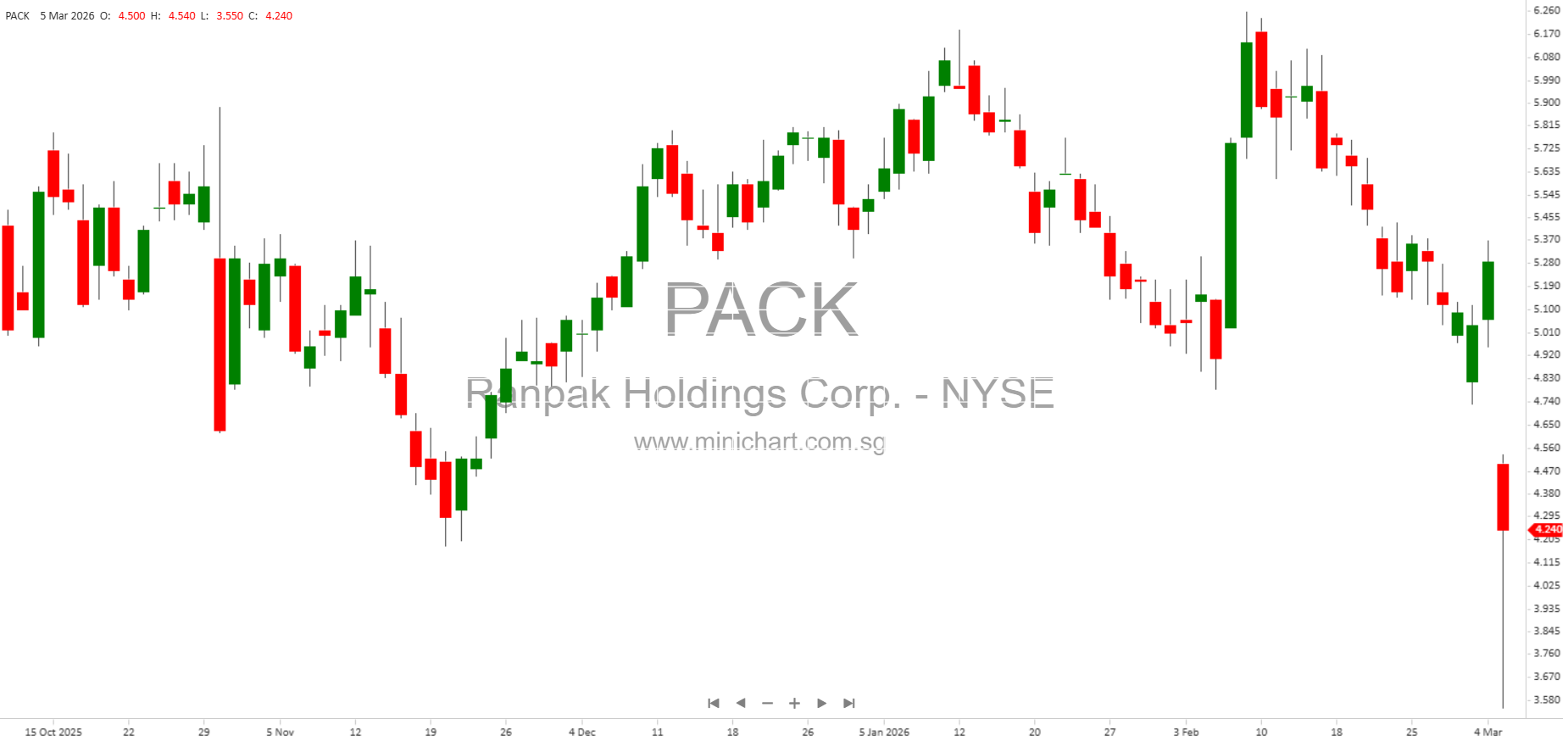
- Market Listing and Volatility: The Company warns that the NYSE could delist its securities in adverse circumstances, which would severely restrict trading and liquidity. In addition, the stock price has been volatile and could remain so, depending on analyst coverage and market perception.
5. Other Material Risks
- Geopolitical conflicts, tariffs, and local economic disruptions could materially affect Ranpak’s global operations, costs, and ability to repatriate cash.
- Risks associated with climate change, sustainability targets, and evolving regulations could introduce new costs and uncertainties.
- Legal and tax risks inherent in operating across multiple jurisdictions may impact results, especially if adverse regulatory or tax developments arise.
Summary for Investors
Ranpak’s 2025 Annual Report underscores both its strong strategic positioning in the sustainable packaging market and the significant risks it faces. Key factors that could impact share value include:
- Supply chain disruptions or loss of key suppliers.
- Customer concentration and trends toward reduced packaging usage.
- Material changes in ESG and climate-related regulations.
- Potential dilution from significant shareholders and issued warrants.
- Debt levels and exposure to capital market volatility.
Investors should closely monitor Ranpak’s supply chain relationships, regulatory developments, and actions by major shareholders (such as JS Capital and Amazon) for potential price-sensitive events.
Disclaimer
This article is for informational purposes only and does not constitute investment advice. Investors should review the full Ranpak Holdings Corp. 2025 Annual Report, consider their personal circumstances, and consult with a qualified financial advisor before making any investment decisions. The information above is based on the Company’s filings and may be subject to change or clarification in subsequent disclosures.