Atea Pharmaceuticals, Inc. (AVIR) 2025 Annual Report: Key Highlights and Investor Insights
Atea Pharmaceuticals, Inc. (Nasdaq: AVIR) has released its Annual Report on Form 10-K for the fiscal year ended December 31, 2025. The report offers a comprehensive overview of the company’s financial health, operational status, strategic direction, and principal risks. Below are the most critical details and potentially price-sensitive factors for shareholders and investors.
Key Report Highlights
- Common Stock Information: Atea’s common stock (trading symbol: AVIR) is registered on the Nasdaq Global Select Market. As of the report’s filing, there were 79,672,083 shares outstanding.
- Business Status: The company is focused on the research, development, and commercialization of product candidates targeting viral diseases, including Hepatitis C Virus (HCV) and other infectious diseases.
-
Financial Health and Capital Structure:
- Atea has not yet generated commercial revenue from its products.
- The company continues to operate at a loss with significant ongoing operating expenses.
- Management expects expenditures to increase as development and commercialization efforts expand.
- The company may require substantial additional financing in the future, and there is no guarantee that such funding will be available on acceptable terms or at all.
-
SEC Compliance and Filings:
- Atea is a smaller reporting company and has filed all required reports under the Securities Exchange Act of 1934.
- The company is not a well-known seasoned issuer and is not subject to an auditor’s attestation of its internal control over financial reporting.
- Forward-Looking Statements: The report includes numerous forward-looking statements about clinical development timelines, regulatory strategies, market opportunities, and financial expectations. These are subject to significant risks and uncertainties, which management discusses at length.
-
Risk Factors:
- The company has never generated commercial revenue and may not achieve or maintain profitability in the future.
- Substantial additional financing may be required. Failure to secure additional capital could delay, limit, or terminate development and commercialization efforts.
- Strategic collaborations or transactions may disrupt business, dilute shareholders, or reduce financial resources.
- Risks related to healthcare laws, commercialization, manufacturing, intellectual property, and management retention are highlighted as potentially material and adverse to business and financial results.
- Unstable market and economic conditions could impact business, financial condition, and share price.
- Failure to maintain effective internal controls could undermine confidence and lead to reporting inaccuracies or fraud.
Potentially Price-Sensitive Information for Shareholders
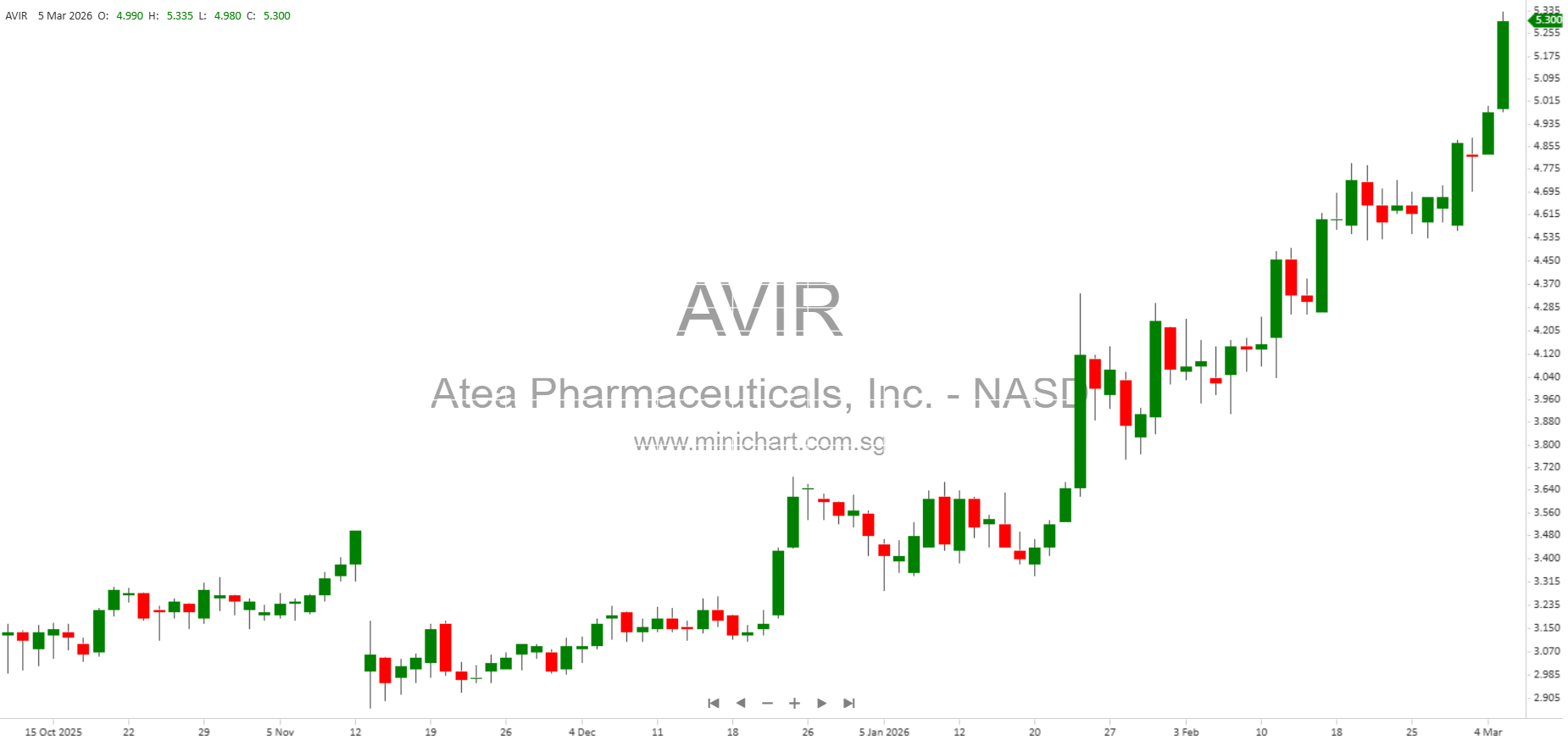
- Going Concern and Financing Risk: The company’s ongoing need for financing, absence of commercial products, and expectations of increased expenditures mean that Atea’s future is dependent on its ability to raise additional capital. Any announcement regarding successful fundraising, strategic partnerships, or inability to secure capital could significantly affect the share price.
- Product Development and Regulatory Pathways: The timing, execution, and outcome of clinical trials, as well as regulatory feedback and approvals, are explicitly cited as key risks and potential catalysts. Any updates—positive or negative—regarding these factors can move the stock sharply.
- Strategic Transactions: Management’s openness to strategic collaborations or alternatives (including M&A, licensing, or partnerships) could result in share price volatility, especially if such transactions are announced or abandoned.
- Litigation and Compliance: Ongoing legal risks, including intellectual property disputes or regulatory actions, could materially impact results and investor sentiment.
- Market and Economic Volatility: The company highlights broader market and economic instability as a risk to operations and share price.
Summary Risk Factors (Condensed for Investors)
- History of operating losses and expectation of increased expenditures.
- Future capital needs and uncertainty of financing.
- No assurance of successful product development, regulatory approval, or commercialization.
- Risks of strategic collaborations, litigation, market volatility, and management turnover.
- Potential weaknesses in internal controls over financial reporting.
Conclusion
Atea Pharmaceuticals remains in a critical development phase, with no approved products and significant ongoing investment in R&D. The company’s ability to secure financing, execute on clinical and regulatory milestones, and enter into beneficial strategic relationships are all pivotal factors that may drive future share price performance. Current and prospective shareholders should closely monitor company disclosures regarding financing, trial results, regulatory feedback, and any strategic transactions, as these are likely to be highly price sensitive.
Disclaimer: This article is for informational purposes only and does not constitute investment advice. Forward-looking statements are subject to risks and uncertainties, and actual results may differ materially. Investors should review the full Annual Report and consult their own advisors before making investment decisions.