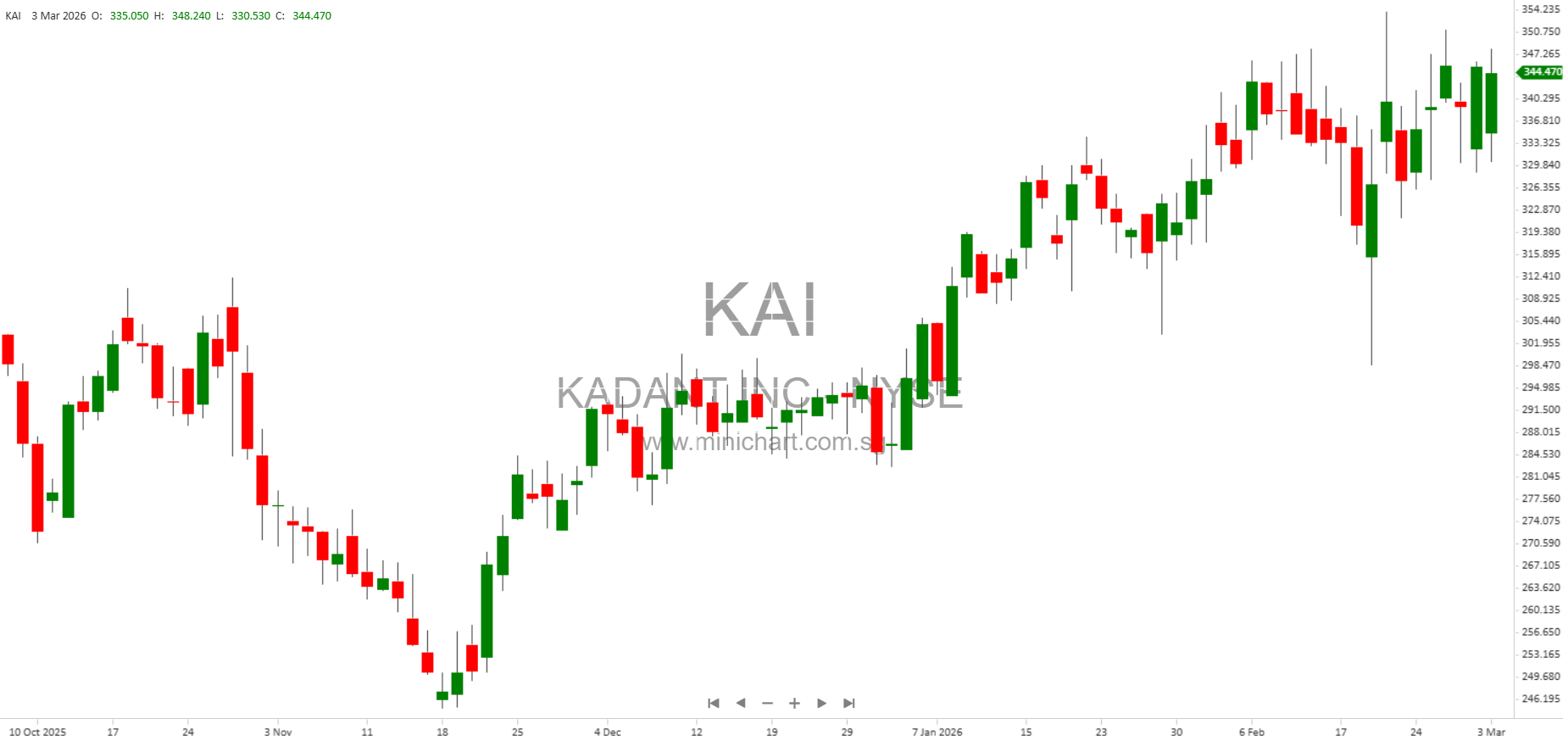
Kadant Inc. Issues 2025 Annual Report: Key Points and Investor Insights
Kadant Inc. (NYSE: KAI) has released its Annual Report for the fiscal year ended January 3, 2026, providing investors a comprehensive view into its operational performance, financial condition, strategic developments, and risk factors. This report contains several important disclosures and updates that shareholders and potential investors should carefully consider, as they may be material to the company’s valuation and future prospects.
Key Highlights from the 2025 Annual Report
- Strong Market Position in Sustainable Industrial Processing: Kadant continues to position itself as a global leader in technologies and engineered systems that promote sustainable industrial processing, focusing on efficiency, energy optimization, and productivity enhancements for process industries. The company’s products help customers reduce waste and improve yield, particularly in terms of fiber, energy, and water usage.
-
Segment Structure and Revenue Drivers:
- Three Reportable Segments: Flow Control, Industrial Processing, and Material Handling. The Flow Control segment, in particular, supplies custom-engineered products and systems for industrial fluid management in critical sectors such as packaging, paper, tissue, food, energy, and defense.
- Geographical Diversification: Significant revenue sources from North America, Europe, and China, with additional presence in Asia and “Rest of World.” This diversity provides resilience but also exposes Kadant to regional economic fluctuations.
-
Financial Performance and Public Float:
- As of June 28, 2025, the aggregate market value of Kadant’s voting and non-voting common equity held by non-affiliates was approximately \$3.65 billion.
- As of February 20, 2026, Kadant had 11,789,023 shares of common stock outstanding.
-
Compliance and Exchange Information:
- Kadant is a large accelerated filer and is subject to Section 404(b) of the Sarbanes-Oxley Act, with an attestation filed by its registered public accounting firm regarding internal control over financial reporting.
- The company’s common stock is listed on the New York Stock Exchange under the symbol KAI.
- Commitment to Safety and Sustainability: Kadant emphasizes a safety-first culture and sustainability initiatives, reinforcing its brand as a responsible industrial supplier.
-
Forward-Looking Strategy:
- Continued focus on acquisitions as a primary long-term growth driver, with ongoing efforts to identify and integrate businesses that complement or expand its existing offerings.
- Past acquisition strategy has been successful, but risks remain—such as integration challenges, competition for targets, access to capital, and retention of key personnel from acquired companies.
-
Risks and Uncertainties:
- Adverse changes in global and regional economic conditions (including North America, Europe, and China) could negatively impact demand for Kadant’s products, especially large capital equipment.
- Structural changes in process industries, such as mill closures, consolidations, and bankruptcies, may affect revenue and profitability.
- Challenges for customers in securing financing may impact Kadant’s order book for large projects, especially in China.
- Acquisition risks: integration difficulties, inability to realize synergy, and potential identification of internal control deficiencies in acquired businesses.
- Exposure to government regulations, including environmental laws, though current compliance does not materially impact financials.
Potentially Price-Sensitive and Material Information
- Acquisition Strategy and Risks: Kadant’s future growth is expected to be significantly driven by acquisitions. While past strategies have been successful, management highlights several risks, including difficulties in identifying, negotiating, and integrating acquisitions. Failure to execute this strategy could materially affect future performance and share value, especially if large, debt-financed deals are pursued.
- Macroeconomic Risk Exposure: Major portions of Kadant’s revenue are from cyclical process industries and regions prone to economic volatility (notably China and Europe). Any downturns, disruptions, or credit constraints in these regions could materially impact future bookings and earnings.
- Capital Equipment Revenue Volatility: The company warns that large capital equipment projects are difficult to forecast and are highly sensitive to global and regional economic uncertainty. Any significant slowdown in capital spending by customers could lead to earnings volatility.
- Internal Controls and Compliance: The company’s compliance with Sarbanes-Oxley Section 404(b) continues, but any future deficiencies—especially from acquired businesses—could affect investor confidence and regulatory risk.
Other Notable Disclosures
- Shareholder Information: No indication of restatements or material error corrections in the financial statements. Kadant is not a shell company, and there are no voluntary filings.
- Transparency: Kadant makes SEC filings and additional information freely available via its website, although this is not incorporated by reference in the 10-K.
- Seasonality: The report notes seasonal influences on the business, which could affect quarterly results.
Summary for Investors
Kadant Inc. remains a leading industrial technology supplier with a strong commitment to sustainability, safety, and operational excellence. While the company has demonstrated successful growth through acquisition and global diversification, it faces notable risks from macroeconomic volatility, customer capital spending cycles, and the inherent challenges of integrating new businesses. Kadant’s strategic direction, strong compliance posture, and robust market presence offer both opportunities and risks that investors should monitor closely as the business navigates a changing industrial landscape.