Executive Summary
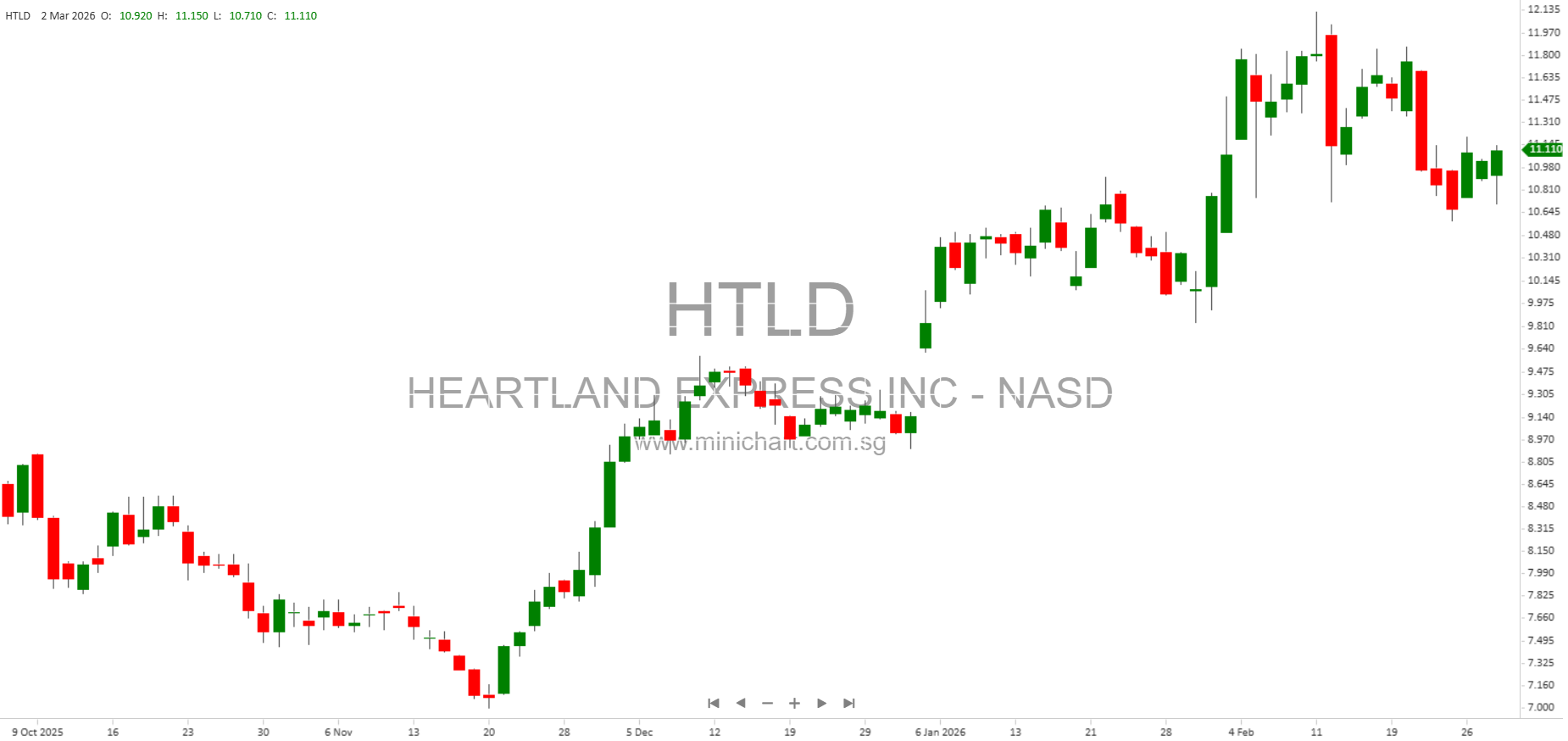
Heartland Express, Inc. (NASDAQ: HTLD) has released its Annual Report for the fiscal year ended December 31, 2025. The report provides a comprehensive overview of the company’s operational performance, strategic outlook, risk factors, regulatory compliance, and financial position. As a holding company incorporated in Nevada, Heartland Express directly or indirectly owns all the stock of its subsidiaries and operates in the highly competitive transportation industry. Below, we highlight the critical information, price-sensitive developments, and potential share price movers for investors and shareholders.
Key Operational and Financial Highlights
- Common Stock Outstanding: As of February 18, 2026, Heartland Express had 54,920,000 shares of common stock outstanding, excluding 32,750 shares of unvested restricted stock. This is important for market capitalization and valuation calculations.
- Dividends: The company declared a dividend of \$0.08 per share for the fiscal year, which may impact income-seeking investors.
- Accelerated Filer Status: Heartland Express is classified as an “Accelerated Filer.” This status may affect reporting obligations and investor perceptions of company size and risk.
- Indebtedness: The company’s indebtedness increased following acquisitions of CFI and Smith Transport. The Credit Facilities impose restrictions on additional indebtedness, equity distributions, investments, mergers, and acquisitions, and require compliance with financial covenants. Non-compliance or increased leverage may impact liquidity and share price.
- Acquisition Integration Risks: Difficulties integrating recent acquisitions (CFI and Smith Transport) have led to disruptions, loss of key employees, customer concentration, and operational challenges. These issues could affect expected synergies and future profitability.
- Regulatory and Environmental Risks: Heartland Express faces significant regulatory scrutiny, including new California climate reporting requirements (SB 253 and SB 261), evolving environmental laws, and substantial tariffs imposed since April 2025. Increased compliance costs and supply chain disruptions could materially affect operating margins and share value.
- Competition: The industry is highly fragmented and competitive, with pressure from freight logistics, brokerage platforms, and new technologies. Brand reputation is a valuable asset but is vulnerable to adverse publicity, impacting demand and share price.
Material Risks and Price-Sensitive Factors
- Fuel Price Volatility: The company is heavily dependent on petroleum products, and geopolitical conflicts, climate events, and regional pricing can cause significant fluctuations in fuel costs. Heartland Express may not be able to fully recover increased fuel expenses through rate hikes or surcharge programs, negatively impacting profits.
- Information Systems and Cybersecurity: The business relies on centralized IT systems for load coordination, dispatch, billing, and financial reporting. Heartland Express does not carry a corporate-wide cybersecurity insurance policy. A major system failure, cyberattack, or data breach could disrupt operations, damage reputation, and materially impact financial performance.
- Management Turnover: Loss or turnover of executive officers and key managers, especially without employment agreements, could disrupt operations, slow integration of acquisitions, and negatively impact profitability and shareholder value.
- Seasonality and Catastrophic Events: Weather, climate change, and public health crises (including pandemics) have direct effects on operations, equipment availability, costs, and credit markets. These risks could lead to market volatility and weakened freight demand.
- Insurance and Claims Exposure: Heartland Express self-insures for a significant portion of its claims. Increased insurance and claims expense, or claims that exceed coverage limits, could materially affect earnings and cash flows.
- Trade Regulation and Tariffs: New tariffs and trade restrictions may increase costs of imported materials and revenue equipment, which could be passed onto Heartland Express and impact profitability.
- Debt Covenants and Liquidity: The Credit Facilities contain strict financial covenants. Breach of these could limit access to capital, impact liquidity, and potentially force asset sales or divestitures.
- Capital Investment Matching: Failure to align capital investments (such as fleet purchases) with actual demand could result in excess or insufficient assets, impacting utilization and profitability.
- Environmental and Societal Ratings: Unfavorable ratings regarding environmental stewardship or social responsibility could result in negative investor sentiment and affect stock price.
Regulatory Disclosures and Shareholder Information
- SEC Filings: Heartland Express’s annual, quarterly, and current reports, as well as amendments, are available free of charge on its website and the SEC’s website. This ensures transparency and accessibility for investors.
- Internal Controls: Any failure in internal controls, including those implemented in acquired companies, could result in misstatements, delayed reporting, and reputational damage.
- Litigation: The company faces ongoing legal risks, including claims that may not be covered by insurance. Adverse judgments or settlements could materially affect financial condition and share price.
Conclusion and Outlook
Heartland Express, Inc. faces a complex mix of operational, financial, regulatory, and environmental challenges. Investors should closely monitor integration risks from acquisitions, fuel price volatility, compliance with evolving regulations, and the impact of tariffs and trade restrictions. Management turnover, cybersecurity vulnerabilities, and insurance claims exposure are also material risks. The company’s ability to manage debt covenants and align capital investments with market demand will be crucial for future profitability and share value.
Shareholders should be aware: Several factors in this report may be price-sensitive, including acquisition integration risks, debt and liquidity management, exposure to fuel price increases, regulatory changes, and cyber risks. These could materially affect future earnings, liquidity, and ultimately, share price performance.
Disclaimer: The information provided above is for informational purposes only and does not constitute investment advice, nor is it a substitute for independent professional judgment. Investors should refer to official filings and consult with financial advisors before making any investment decisions. The report may contain forward-looking statements subject to risks and uncertainties that could cause actual results to differ materially from those anticipated.