Key Financial and Corporate Highlights
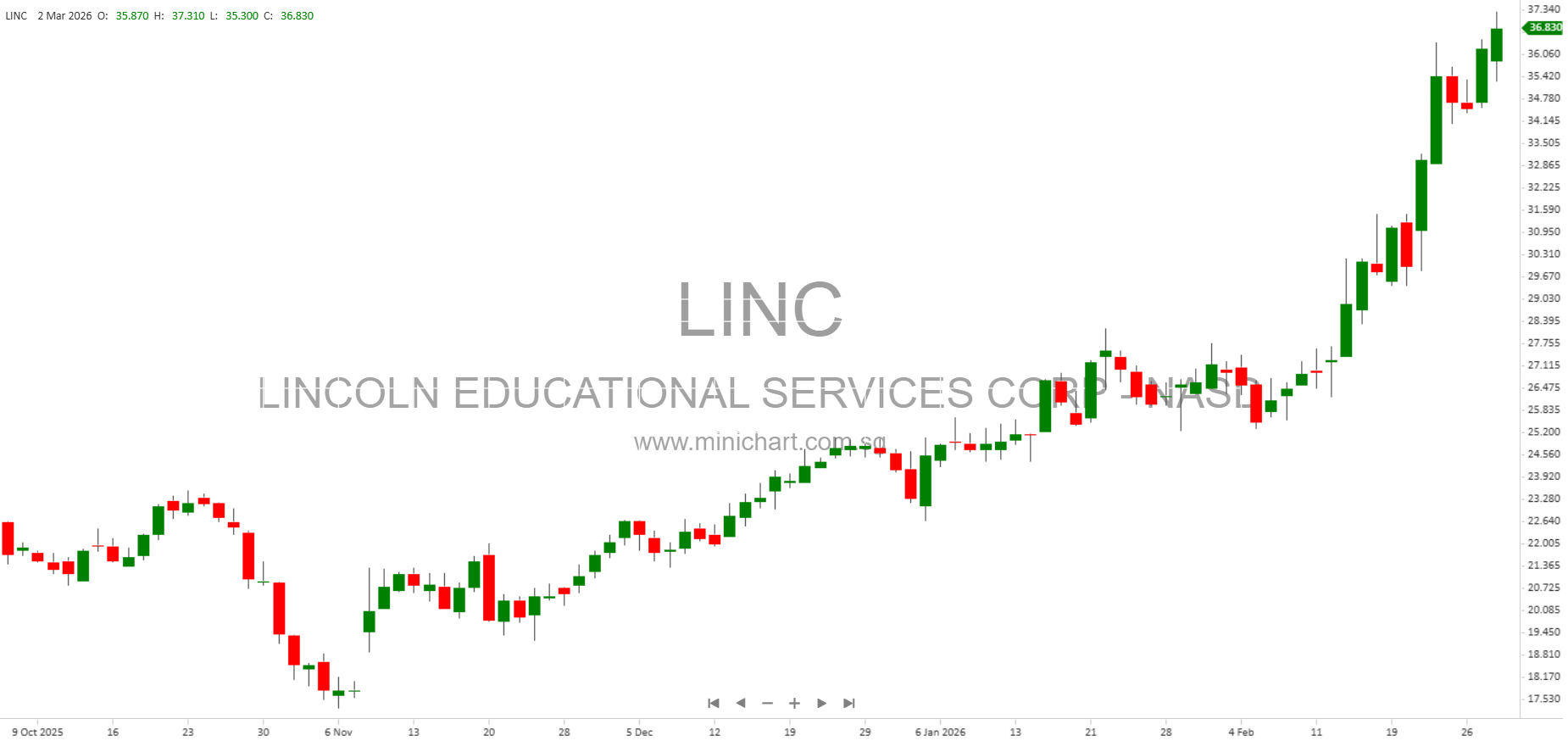
- Market Capitalization: The aggregate market value of common stock held by non-affiliates as of June 30, 2025 was approximately \$624.9 million, based on a closing price of \$23.05 per share. Total shares outstanding as of March 2, 2026: 31,878,966.
- Revenue Dependency: The company received about 85% of its revenue from Title IV federal student aid programs in 2025. This heavy dependency on federal funding makes regulatory compliance a crucial factor in business sustainability.
- 90/10 Rule Compliance: LINC’s institutions reported 90/10 Rule percentages ranging from 82.9% to 88.0% for 2025, indicating close proximity to compliance thresholds. Any changes in this rule or a failure to comply could significantly impact access to federal funding.
- Financial Responsibility Composite Score: The Department of Education (DOE) requires a minimum score of 1.5 to be deemed financially responsible. Falling below this may result in increased oversight or requirements for letters of credit, which could affect liquidity and operations.
Regulatory Environment and Risks
The postsecondary education sector is highly regulated. Lincoln must comply with extensive federal, state, and accrediting agency requirements. Key new regulations and risks include:
- Gainful Employment & Accountability Metrics: New DOE rules effective July 1, 2024 require annual reviews of educational programs based on debt-to-earnings rates and earnings premium measures. Failure to meet these could result in loss of Title IV eligibility for specific programs.
- Expanded Financial Responsibility Regulations: The DOE has broadened the list of mandatory and discretionary “triggering events” that can result in financial protection requirements such as letters of credit. Multiple triggers can compound the required financial protection, increasing operational risk.
- Change of Control Risks: Significant purchases or sales of LINC’s common stock could be interpreted as a change of control by the DOE, requiring new regulatory approvals and potentially threatening Title IV eligibility.
- Administrative Capability: The company must continually demonstrate administrative capability to participate in Title IV programs, including timely reporting, financial aid counseling, fraud detection, and compliance with academic progress standards.
- Litigation and Regulatory Review: LINC is subject to ongoing audits and compliance reviews by various agencies. Unfavorable outcomes, fines, or loss of accreditation can materially affect business operations.
- Risks from Substantial Misrepresentation: Strict rules prohibit substantial misrepresentation in program offerings, financial charges, graduate employability, and relationships with the DOE. Violation can result in sanctions or loss of federal funding.
- Incentive Compensation Restrictions: The company is prohibited from providing incentive payments to individuals involved in student recruiting or financial aid, which could increase compliance costs.
- Adverse Publicity and Sector Scrutiny: Ongoing scrutiny from federal and state agencies, media, and advocacy groups could negatively affect reputation, enrollment, revenues, and share price.
Business Operations and Competitive Landscape
- Program Development: Lincoln emphasizes the importance of updating and expanding program offerings to meet employer and market demands. Failure to adapt quickly could impair competitiveness.
- Enrollment Trends: Decline in enrollment or student dissatisfaction could reduce revenues. About 23% of students were recruited directly from high school in 2025, highlighting a key demographic focus.
- Competitive Risks: The for-profit postsecondary education industry is highly fragmented and competitive, with no dominant market player. Lincoln faces competition from both for-profit and non-profit institutions.
- Talent Management: Retention of key management and staff is described as critical. Loss of senior management could impact strategic execution and performance.
- Technology and Productivity: The company leverages technology for recruitment, student support, and internal management. Productivity and efficiency are managed using technology-driven metrics.
- Sustainability: Lincoln maintains an Environmental Policy and is committed to sustainability, energy conservation, and waste reduction.
Risks Impacting Shareholder Value
- Regulatory Changes: Any adverse changes in DOE regulations, loss of Title IV eligibility, or imposition of financial protection requirements can materially affect revenues and share value.
- Litigation/Investigations: Ongoing or new investigations, lawsuits, or regulatory actions can result in significant penalties and negative publicity, impacting stock price.
- Enrollment Declines: Lower student enrollment or challenges in graduate employment due to economic conditions can reduce revenues and profitability.
- Interest Rate Sensitivity: Rising interest rates increase the cost of education for students, potentially reducing enrollment and increasing default rates on student loans, impacting Title IV eligibility.
- Capital Needs: The company may need to raise additional capital for expansion or acquisitions. Unfavorable financing conditions could limit growth or force operational changes.
- Cybersecurity and Public Health Risks: Any incident affecting cybersecurity or public health outbreaks can disrupt operations and impact financial results.
Conclusion: Price-Sensitive Factors for Shareholders
Lincoln Educational Services Corp faces a complex regulatory landscape and significant operational risks. The company’s heavy reliance on federal funding, compliance with new DOE regulations (especially the 90/10 Rule and gainful employment metrics), and susceptibility to regulatory scrutiny are material risks that could affect share value. Investors should closely monitor regulatory developments, enrollment trends, litigation, and management stability.
While Lincoln continues to invest in program development and technology, the expanding regulatory requirements, risk of adverse audits and reviews, and potential for costly compliance measures (such as letters of credit) are factors that may be price sensitive and could move the share price.
Disclaimer: This article is for informational purposes only and does not constitute investment advice. Investors should review the full annual report and consult with financial advisors before making investment decisions. Past performance is not indicative of future results. Lincoln Educational Services Corp is subject to extensive regulatory risks and uncertainties that may materially affect its business and share value.