Septerna Announces Positive Phase 1 Data for SEP-631, Outlines Initial Phase 2 Development Strategy
Key Highlights
- Positive Phase 1 Results: SEP-631, an oral negative allosteric modulator (NAM) targeting MRGPRX2, demonstrated robust, dose-dependent inhibition of icatibant-induced skin wheal formation in healthy volunteers. Complete inhibition was observed at doses as low as 10 mg once daily.
- Favorable Safety Profile: SEP-631 was well-tolerated across all studied doses, with an adverse event profile comparable to placebo. No severe or serious adverse events, nor any clinically meaningful laboratory or ECG abnormalities, were reported.
- Pharmacokinetic Advantages: The drug exhibited a half-life of approximately 24 hours, supporting convenient once-daily oral dosing. There were no clinically meaningful effects of food on drug exposure, allowing for dosing without food restrictions.
- Proof-of-Mechanism in Humans: Findings are consistent with the insurmountable NAM mechanism seen preclinically, providing clinical evidence of MRGPRX2 pathway inhibition.
- Phase 2 Plans: Septerna intends to launch a Phase 2b clinical trial in chronic spontaneous urticaria (CSU) in the second half of 2026, targeting adult patients with moderate-to-severe CSU who remain symptomatic despite second-generation antihistamines. An open-label study in chronic inducible urticaria (CIndU), specifically for symptomatic dermatographism, is also planned.
- Additional Indications: SEP-631 is being evaluated for other mast cell-driven diseases with high unmet medical need, including atopic dermatitis, interstitial cystitis, migraine, and asthma.
- Investor Communication: Septerna will host a conference call and webcast to discuss the Phase 1 results and initial Phase 2 development strategy. Replay and archive will be available for at least 30 days.
Detailed Analysis
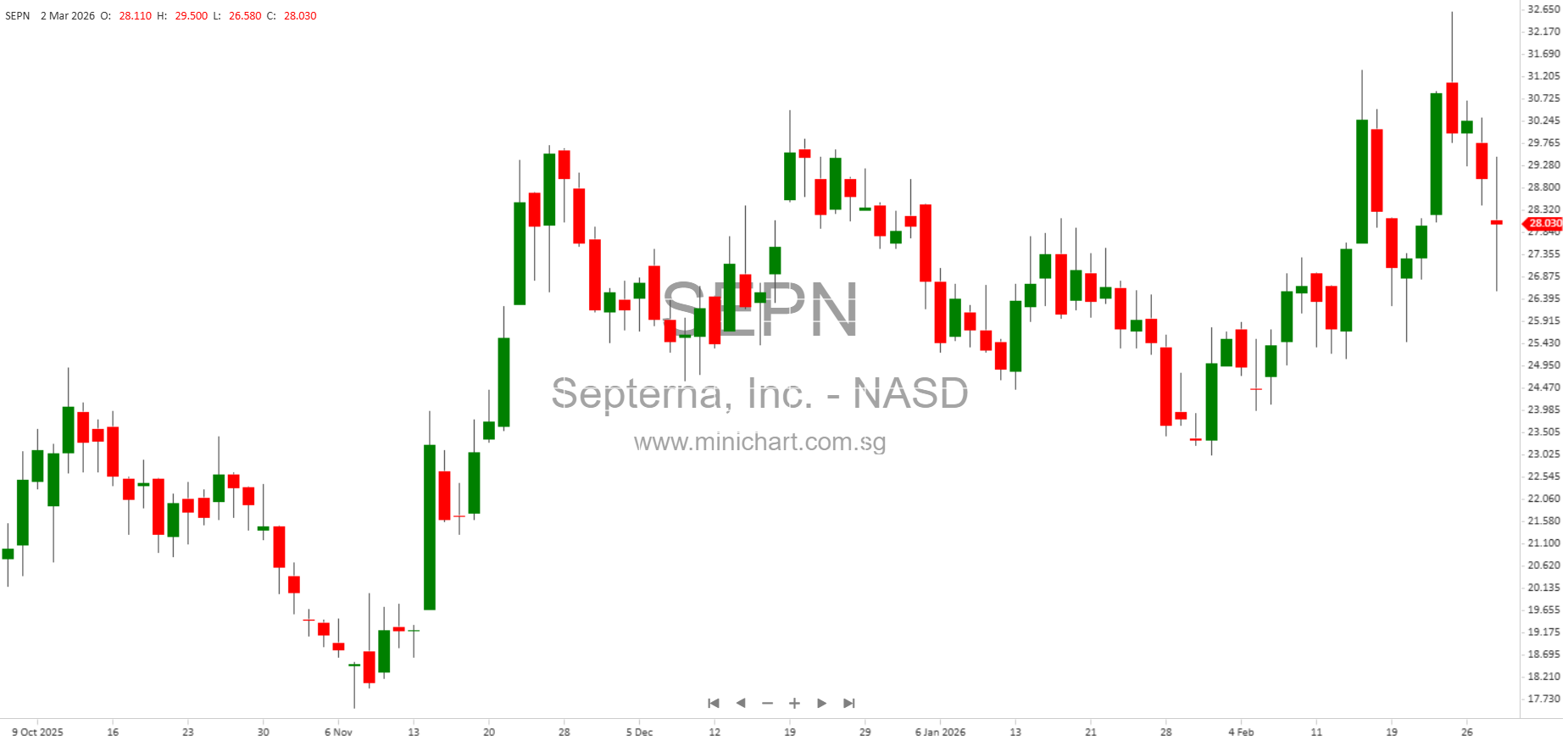
Septerna, Inc. (Nasdaq: SEPN), a clinical-stage biotechnology company, is pioneering oral small molecule GPCR-targeted medicines. The recent announcement regarding SEP-631 represents a significant milestone both for the program and the company’s proprietary Native Complex Platform®, which enables novel approaches to GPCR drug discovery by reconstituting functional GPCR complexes outside of cells.
Phase 1 Trial Results
The Phase 1 trial for SEP-631 was a randomized, double-blind, placebo-controlled study in healthy volunteers. It included single-ascending dose, multiple-ascending dose, and food-effect cohorts. The trial assessed safety, tolerability, pharmacokinetics (PK), and pharmacodynamic (PD) activity.
- SEP-631 was well-tolerated at all doses studied.
- No severe or serious adverse events occurred.
- No clinically meaningful laboratory or ECG abnormalities were detected.
- Adverse event profile was comparable to placebo.
- The PK profile supports once-daily oral dosing, with a half-life of about 24 hours.
- No food effect, allowing for dosing flexibility.
- PD activity was assessed using icatibant-induced skin wheal formation, a validated translational model for MRGPRX2-mediated mast cell activation.
- Short-wave infrared imaging enabled accurate measurement of skin wheals.
- Complete inhibition of wheal formation observed at doses as low as 10 mg once daily with 10 µg/mL icatibant challenge; dose-dependent inhibition seen with higher icatibant challenges, achieving near-complete inhibition at 90 and 200 mg doses.
Phase 2 Development Strategy
Septerna plans to initiate a Phase 2b clinical trial for SEP-631 in chronic spontaneous urticaria (CSU) during the second half of 2026, after completion of ongoing long-term toxicology studies. The study will be a randomized, double-blind, placebo-controlled global trial for adult patients with moderate-to-severe CSU unresponsive to second-generation antihistamines. In addition, an open-label study in chronic inducible urticaria (CIndU) is planned, focusing on symptomatic dermatographism.
Beyond urticaria, Septerna is prioritizing SEP-631 for assessment in other mast cell-driven diseases with high unmet medical needs, including atopic dermatitis, interstitial cystitis, migraine, and asthma. These indications are associated with MRGPRX2 expression, which SEP-631 targets.
Potential Impact for Investors
- Clinical Proof-of-Mechanism: The robust clinical results and favorable safety profile for SEP-631 establish it as a potentially differentiated oral therapy for mast cell-driven diseases, addressing significant unmet needs and potentially expanding the company’s market opportunities.
- Advancement to Phase 2: Progression into Phase 2b trials for CSU and CIndU, with additional indications under evaluation, demonstrates pipeline momentum and strategic expansion, which could be price-sensitive and materially impact share value.
- Platform Validation: Success with SEP-631 further validates Septerna’s Native Complex Platform®, supporting future drug development and potential partnerships.
- Catalyst Event: The upcoming conference call and webcast provide an opportunity for investors to gain additional insights and could serve as a catalyst for share price movement.
- Risks: The company notes that the initiation of Phase 2b trials is contingent upon successful completion of long-term toxicology studies. Additionally, future clinical outcomes, regulatory approvals, and intellectual property protections remain areas of risk.
About SEP-631 and Septerna
SEP-631 is a selective oral small molecule NAM of MRGPRX2, developed for chronic spontaneous urticaria and other mast cell-driven diseases. MRGPRX2 plays a key role in mast cell activation and degranulation, leading to debilitating symptoms. Septerna’s proprietary Native Complex Platform® has enabled the development of SEP-631 and a diverse pipeline of novel oral small molecule drug candidates, advancing programs in endocrinology, immunology, inflammation, metabolic diseases, and additional therapeutic areas.
Investor Information
For further information, investors can contact Septerna’s representatives or access the webcast and replay via the company’s website. The company’s strategic plans and product pipeline may be subject to change based on clinical outcomes and regulatory considerations.
Disclaimer
Disclaimer: This article contains forward-looking statements based on Septerna’s current expectations. Actual results may differ due to a variety of risks, including clinical trial outcomes, regulatory approvals, and intellectual property matters. Investors should review Septerna’s latest filings with the Securities and Exchange Commission, including risk factors outlined in the Annual Report on Form 10-K and subsequent filings. This article is for informational purposes only and does not constitute investment advice. Septerna undertakes no obligation to update any forward-looking statements.