Acadian Asset Management Inc. (AAMI): 2025 Annual Report – Investor Insights
Key Points from the Report
- Strong Capital Generation & Shareholder Returns: AAMI has generated significant recurring free cash flow, enabling substantial capital returns to shareholders. The company repurchased approximately 58% of its shares between January 1, 2020 and December 31, 2025. This aggressive buyback strategy could be highly price sensitive as it reduces share float and increases earnings per share.
- Dividend Policy: The company’s strong cash flows support dividends, but payment is subject to Board discretion and dependent on Acadian LLC’s ability to generate earnings and distribute cash. Market conditions, legal restrictions, and debt covenants may affect dividend continuity.
- Business Model & Performance: AAMI is a holding company focused exclusively on asset management. Its institutional channel represents over 80% of assets under management (AUM), with strong relationships in public/government pension markets.
- Concentration Risk: As of December 31, 2025, \$81 billion, or 46% of AAMI’s AUM, was concentrated in five investment strategies, notably including Acadian Emerging Markets Equity (\$21 billion). Dependence on a limited number of strategies increases vulnerability to underperformance or shifts in investor preferences.
- Competitive Investment Performance: Assets representing 57% of revenue were outperforming benchmarks on a one-year basis at year-end 2025. This is a significant decrease from previous years (89% in 2021, 88% in 2022, 80% in 2023, and 91% in 2024), suggesting performance volatility and potential risk to future client inflows.
- Fee Pressure & Market Trends: The asset management industry is experiencing fee compression, especially in institutional channels. AAMI faces ongoing pressure to maintain competitive fee levels and may need to restructure fees due to regulatory changes or market shifts. This could impact margins and profitability.
- Key Personnel Risk: The company’s performance and reputation are heavily dependent on retaining key investment and management personnel. Loss of senior staff could materially affect business results.
- Foreign Market Risks: Investments in non-U.S. markets carry foreign currency, political, tax, and regulatory risks. A reduction in AUM associated with non-U.S. equities could disproportionately harm the company’s financial results due to concentration.
- Technological Edge & AI: AAMI leverages proprietary technology, including artificial intelligence and machine learning, to drive investment decisions and operational efficiency. However, rapidly evolving tech landscape presents both opportunity and risk, with regulatory scrutiny increasing around AI use in asset management.
- Debt & Liquidity: The company’s outstanding indebtedness may restrict its growth and financial flexibility. Future borrowing could be required for share repurchases or strategic initiatives, but high debt levels increase vulnerability to economic downturns and may affect dividend payments.
- Litigation & Regulatory Risks: AAMI operates in a highly regulated industry with potential for litigation and regulatory enforcement. Legal actions, even small in monetary value, could result in reputational damage and client losses.
- Ownership Structure: Large shareholders such as Paulson have meaningful influence over business direction and decisions, which could impact governance and strategic choices.
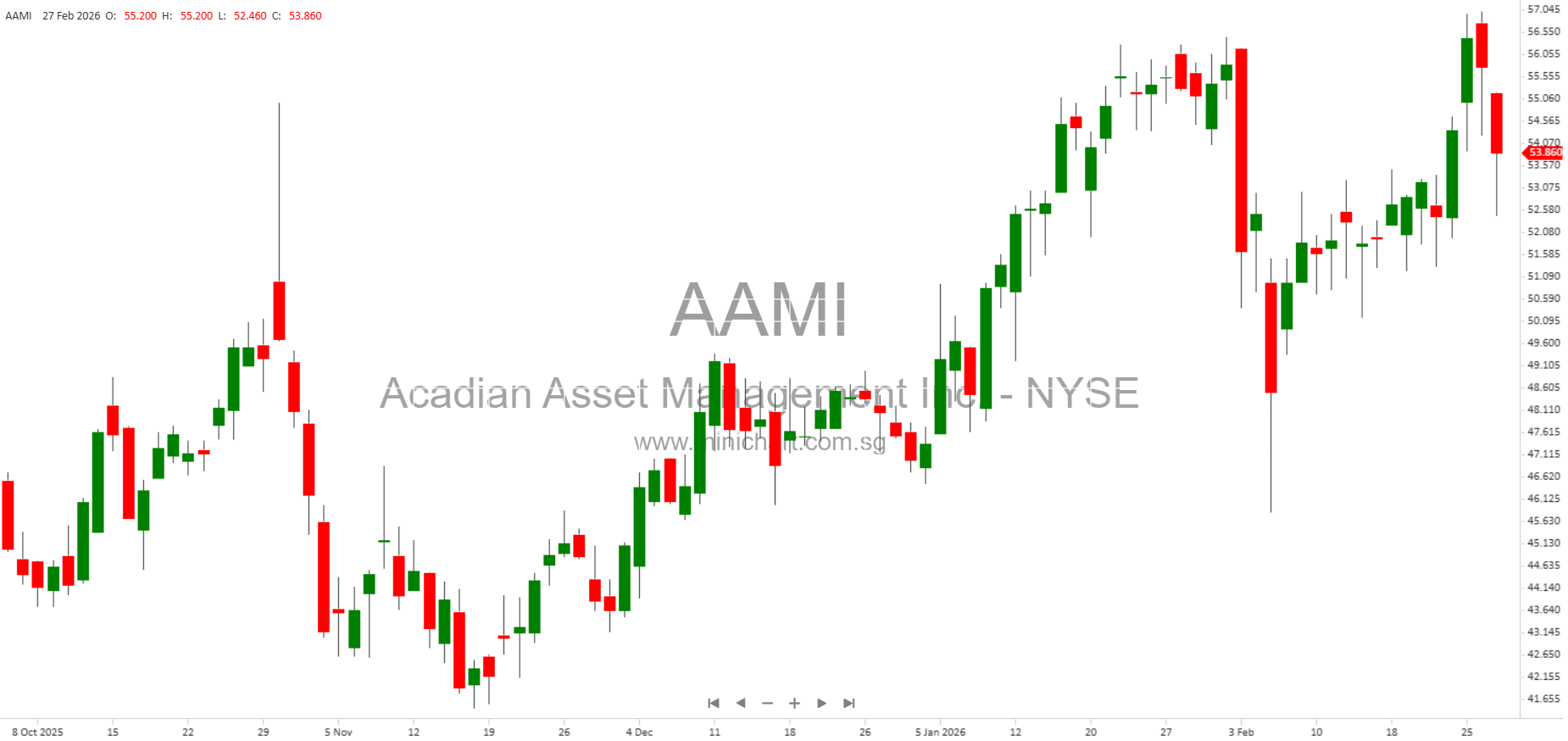
- Volatility & Market Sensitivity: The stock price has been volatile, influenced by performance, client flows, strategic transactions, and broader macroeconomic factors including inflation and interest rates.
- Tax Uncertainty: The company’s global effective tax rate is subject to volatility due to changes in tax laws and regulations across jurisdictions (U.S., U.K., OECD reforms), potentially affecting net income and cash flows.
- Risk Management: Failure in risk management systems, including those related to AI, could expose the company to material losses. Effectiveness of risk controls is crucial as market and technological risks evolve.
- Regulatory Changes: Continual changes in U.S. and foreign regulations, including heightened inspection and reporting requirements, could increase compliance costs and operational complexity.
- Goodwill & Intangible Asset Impairment: There is risk that the carrying value of goodwill and other intangibles could become impaired, negatively affecting financial condition and results.
Important Information for Shareholders
- Share Repurchase Program: The timing and execution of share repurchases depend on market conditions, stock price, and company financials. Reduction or cessation of buybacks could negatively affect the share price.
- Dividend Payments: The ability to pay and sustain dividends depends on Acadian LLC’s earnings, cash flows, legal restrictions, and debt covenants. Shareholders should monitor these factors closely as they can materially impact returns.
- Performance Trends: The decline in the percentage of assets outperforming benchmarks is a potential red flag for future inflows and fee sustainability. Underperformance could trigger client withdrawals and affect revenue.
- Concentration Risk: Heavy reliance on a few investment strategies means that poor performance or loss of key clients in these areas could disproportionately affect financial results.
- Fee Compression: Industry-wide fee pressure and consultant-driven programs may force AAMI to lower fees or restructure pricing, affecting profitability and share value.
- Management & AI Risks: The company’s reliance on technology and key personnel, coupled with evolving regulatory scrutiny, poses risks that could impact operations and reputation.
- Debt Load: Current and future indebtedness may restrict flexibility and increase risk, especially in volatile markets or economic downturns.
- Regulatory and Litigation Exposure: Increased regulatory scrutiny and potential litigation could have direct financial and reputational impacts, affecting client retention and share value.
- Tax Risks: Changes in global tax regimes can create volatility in effective tax rates, impacting net income and cash flows.
- Market Volatility: The company’s stock is exposed to swings driven by both internal and external factors. Investors should be alert to news on performance, client flows, strategic transactions, and macroeconomic developments.
Potential Price-Sensitive Issues
- Share Buybacks: The aggressive repurchase of 58% of outstanding shares in recent years is highly price sensitive and may continue to support share prices if sustained.
- Performance Decline: The drop in benchmark-beating assets from 91% (2024) to 57% (2025) could signal future outflows and lower revenue, potentially impacting the stock negatively if it persists.
- Fee Compression: Ongoing industry fee pressure may reduce margins, which could weigh on share price if not offset by growth or cost control.
- Key Personnel & AI Risks: Loss of senior staff or failures in AI-driven investment processes could trigger reputational and operational issues affecting valuation.
- Debt & Dividend Policy: Increased debt levels or reductions in dividends/share repurchases due to financial constraints would be negative for share price.
- Regulatory/Litigation Events: Any major regulatory enforcement or litigation could be materially adverse and impact stock performance.
- Concentration Risk: Heavy exposure to a few strategies means sudden performance or client changes in these areas could amplify share volatility.
- Tax Law Changes: Significant new tax obligations could reduce profitability and cash flows, impacting shareholder returns.
Conclusion
Acadian Asset Management Inc. (AAMI) presents a complex risk-reward profile for investors. While the company has demonstrated robust capital generation, aggressive share buybacks, and a strong presence in institutional asset management, it faces substantial risks from performance volatility, fee compression, concentration in a few strategies, regulatory scrutiny, and the rapidly evolving technological landscape. Shareholders should closely monitor performance trends, management actions on buybacks and dividends, regulatory developments, and debt levels as these factors are likely to have a direct impact on share value. The sharp decline in benchmark-beating assets and ongoing industry fee pressure are particularly noteworthy and could influence price action in upcoming periods.
Disclaimer: This article is for informational purposes only and does not constitute investment advice or a recommendation to buy or sell securities. Investors should conduct their own due diligence and consult financial professionals before making any investment decisions. All information provided is based on the latest available annual report and may be subject to change or revision.