Compass, Inc. 2025 Annual Report: Key Investor Highlights and Strategic Risks
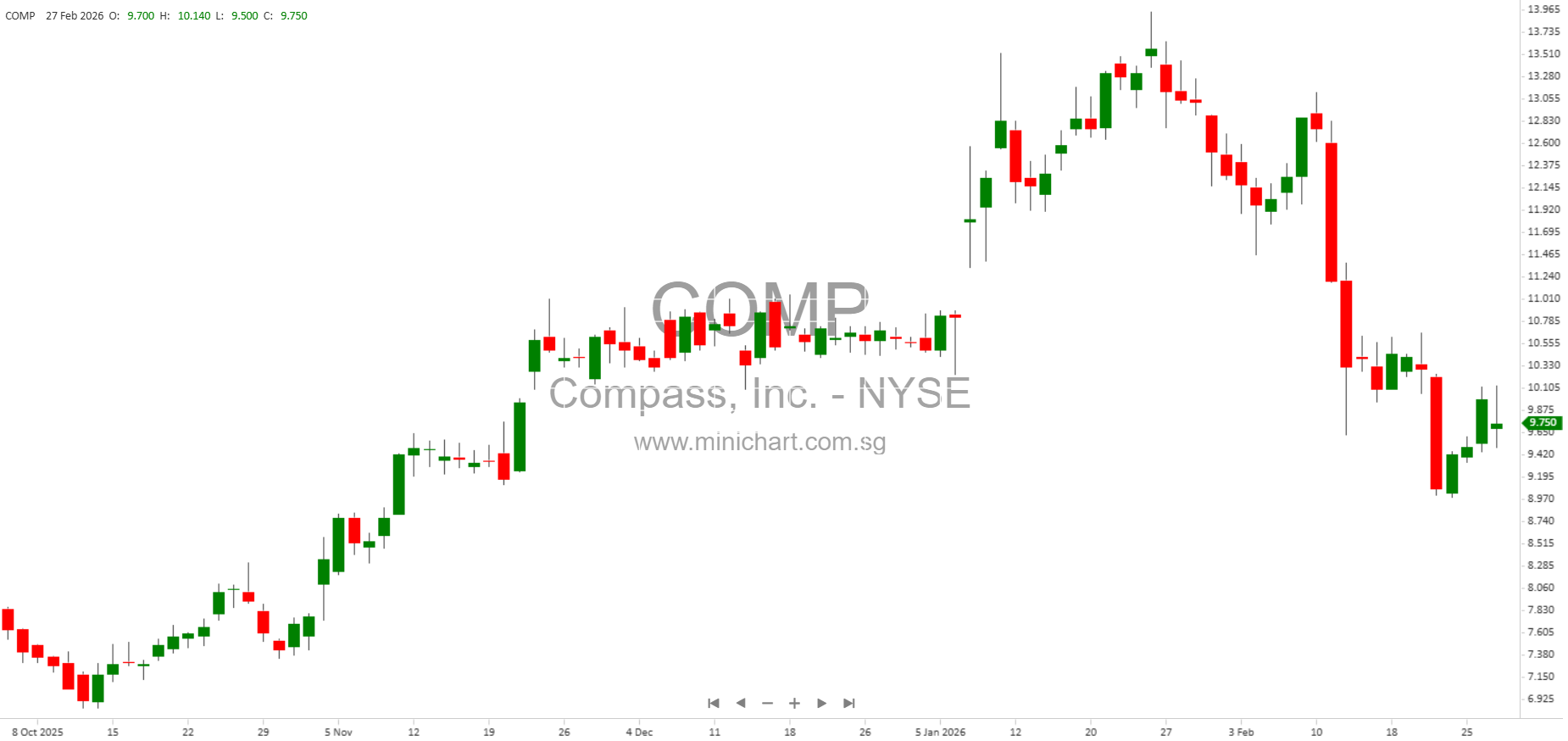
Compass, Inc. (NYSE: COMP) has released its Annual Report for the year ended December 31, 2025, providing a comprehensive overview of its financial health, business operations, strategic developments, and the risks that may impact shareholder value. Investors should pay close attention to several critical disclosures, especially in light of the company’s recent merger activity, market environment, and operational challenges.
Key Points for Investors
- Anywhere Merger: Compass has completed the significant acquisition of Anywhere’s business, a move that is expected to deliver cost synergies and other benefits. However, management highlights the challenges of integrating Anywhere’s operations, realizing cost savings, and managing the increased franchise business. The success or failure of this integration effort is likely to materially impact future performance and share value.
- Market Conditions: The company’s business is highly sensitive to general economic conditions, the health of the U.S. real estate industry, and risks inherent to residential real estate ownership. Prolonged industry downturns, high mortgage rates, and low inventory levels are cited as material risks that have already negatively affected transaction volumes and could continue to do so.
- Financial Position: As of June 30, 2025, Compass reported an aggregate market value of common stock held by non-affiliates at approximately \$3.16 billion, with 742,274,683 shares outstanding as of February 2026. This large float and market cap underscore the company’s significance in the sector but also expose it to broader market volatility.
- Debt and Capital Structure: The company notes the risk of default under material debt agreements and highlights the importance of its ability to refinance or restructure existing debt, or raise capital to support growth. Potential dilution from convertible notes and capped call transactions is also flagged, which may impact existing shareholders.
- Technology and Innovation: Compass emphasizes the need to continue innovating, particularly in AI and related technologies, to remain competitive. The company’s ability to expand integrated services (mortgage, title) and joint ventures is a strategic focus but also a risk if poorly executed.
- Regulatory and Legal Environment: The company is subject to a complex and evolving regulatory landscape, including federal, state, and industry rules, as well as environmental regulations such as California’s Climate Corporate Data Accountability Act. Failure to comply, or adverse regulatory changes, could materially affect results.
- Litigation and Claims: Shareholders are warned of ongoing claims, lawsuits, and government investigations, which could result in financial losses or reputational damage.
- Cybersecurity and Data Protection: Potential cybersecurity incidents and the loss of critical information are noted as risks that could have a significant adverse effect on operations.
- Operational Risks: The company’s success depends on recruiting and retaining real estate professionals, establishing relationships with MLSs and third-party providers, and managing its expense structure. Additionally, the company’s exposure to international markets introduces further risk.
- Corporate Structure Impact: Compass has a multi-class structure of common stock, which may affect shareholder influence and the company’s vulnerability to takeovers.
- Dividend Policy: The company plans to retain earnings rather than pay dividends “for the foreseeable future,” which may impact income-focused investors.
Potentially Price-Sensitive and Shareholder-Relevant Risks
- Integration of Anywhere Merger: Difficulty in integrating systems, realizing synergies, or unforeseen costs could significantly alter Compass’s earnings outlook and share price trajectory.
- Debt Obligations and Refinancing: Any event of default or inability to refinance debt could lead to liquidity challenges, asset sales, or dilutive equity raises, all of which are price-sensitive.
- Litigation and Regulatory Risks: Unfavorable outcomes in lawsuits, government investigations, or regulatory changes could result in substantial financial penalties, adverse publicity, or operational restrictions.
- Market Environment Volatility: As real estate is cyclical, adverse changes in mortgage rates, home inventory, or regional economic conditions could have an outsized effect on transaction volumes and revenues.
- Technology Execution: Failure to keep pace with AI and digital innovation, or cybersecurity breaches, may erode Compass’s competitive advantage and profitability.
- Convertible Notes and Dilution: The conversion or settlement of outstanding convertible notes and related capped call transactions may result in dilution or downward pressure on the share price.
Additional Material Information for Shareholders
- SEC Filings and Transparency: Compass makes its filings, including 10-K, 10-Q, 8-K, and proxy statements, available on its website and the SEC’s EDGAR system, ensuring shareholders have access to timely information.
- Communication Channels: The company communicates material information via its website, press releases, webcasts, and social media channels.
- No Dividend Policy: The company’s earnings retention strategy suggests a focus on growth and internal investment, rather than immediate returns to shareholders.
Summary
Compass, Inc. is at a strategic inflection point following its high-profile merger with Anywhere. While this move offers significant opportunities for cost synergies and market expansion, it also introduces substantial integration, operational, and financial risks. The company’s exposure to macroeconomic cycles, debt obligations, technology evolution, and regulatory complexity means that investors should monitor developments closely, as these factors have the potential to significantly impact share value.
Disclaimer: This article is for informational purposes only and does not constitute investment advice or a recommendation to buy or sell any securities. Investors should review the full Compass, Inc. Annual Report and consult their financial advisors before making any investment decisions. All forward-looking statements are subject to risks and uncertainties, as detailed in the company’s filings with the SEC.