Forum Energy Technologies, Inc. 2025 Annual Report: Key Investor Insights
Executive Summary
Forum Energy Technologies, Inc. (“FET”) has released its Annual Report for the fiscal year ended December 31, 2025. The company, headquartered in Houston, Texas, is a global manufacturer serving the oil, natural gas, defense, and renewable energy industries. Shares of FET are traded on the New York Stock Exchange (NYSE) and NYSE Texas under the symbol “FET”.
Key Highlights for Investors
- Public Float: As of December 30, 2025, FET’s public float was approximately \$225.5 million.
- Shares Outstanding: As of February 20, 2026, there were 56,150 common shares outstanding.
- SEC Compliance: FET is not a well-known seasoned issuer and is classified as a smaller reporting company. The company is subject to regular SEC reporting requirements and has filed all required reports in the past year.
- Internal Controls: The company’s internal controls over financial reporting have been attested by an independent auditor, with no material weaknesses reported for 2025.
- Board Discretion on Shareholder Returns: Return of capital to shareholders, including share repurchases, are at the discretion of the board. There is no guarantee of future repurchases or dividends.
- Impairment Charges: FET incurred impairment charges during the year ended December 31, 2024, and warns of potential additional impairment charges in the future.
- Proxy Statement: Portions of the Proxy Statement for the 2026 Annual Meeting are incorporated by reference into Part III of this report.
Business Overview
FET operates in highly competitive markets, including oil and gas, defense, and renewables. The company’s performance is closely tied to global oil and gas activity, commodity price volatility, and broader economic conditions. FET emphasizes technological innovation and efficiency, but notes challenges from larger competitors with greater resources and ongoing industry consolidation and customer investment in energy alternatives.
Risks and Potential Price-Sensitive Issues
Business and Operational Risks
- Commodity Price Volatility: Fluctuations in oil and gas prices directly impact activity levels and customer spending, leading to revenue and operating result swings.
- Competitive Landscape: FET faces intense competition from both large multinational firms and regional players, which may affect market share and margins.
- Customer Spending Discipline: Increased focus on budget discipline and technological advances among customers could reduce demand for FET’s products, even in a rising commodity price environment.
- Labor Shortages: The company may be unable to employ a sufficient number of skilled workers, particularly as demand recovers.
- Supply Chain & Raw Materials: FET relies on key suppliers for raw materials and specialized equipment. Recent issues, such as the inability to source sufficient casing for Downhole products in early 2025, highlight risks. Steel price fluctuations, tariffs, and inflationary pressures may increase operating costs.
- Global Economic Conditions: Deterioration in the global economy could negatively impact FET’s financial condition and results.
- Technological Innovation: Success depends on faster and more effective innovation than competitors. Limited capital for R&D due to depressed customer activity may hamper future competitiveness.
- Intellectual Property: Disputes or limitations on proprietary technology may affect FET’s ability to exclude competitors or generate revenue from innovations.
- Health and Safety: Failure to maintain safe operations could lead to fines, penalties, disqualification by major customers, and increased costs, especially with a less experienced workforce.
- Public Health Crises: Pandemics and public health emergencies have materially impacted operations and may do so in the future.
- Facility Consolidation/Expansion: Risks include inefficiencies, construction delays, and cost overruns.
- Environmental and Regulatory Risks: Stringent environmental regulations, potential for accidental releases, and changes in enforcement may materially affect FET’s capital expenditure, operations, and liability exposure.
- Tariffs: U.S. government tariffs could adversely affect results, particularly due to the company’s reliance on steel.
- Currency Exchange Rate Fluctuations: Exposure to foreign exchange movements may impact cash flows and operating results.
Financial and Shareholder Risks
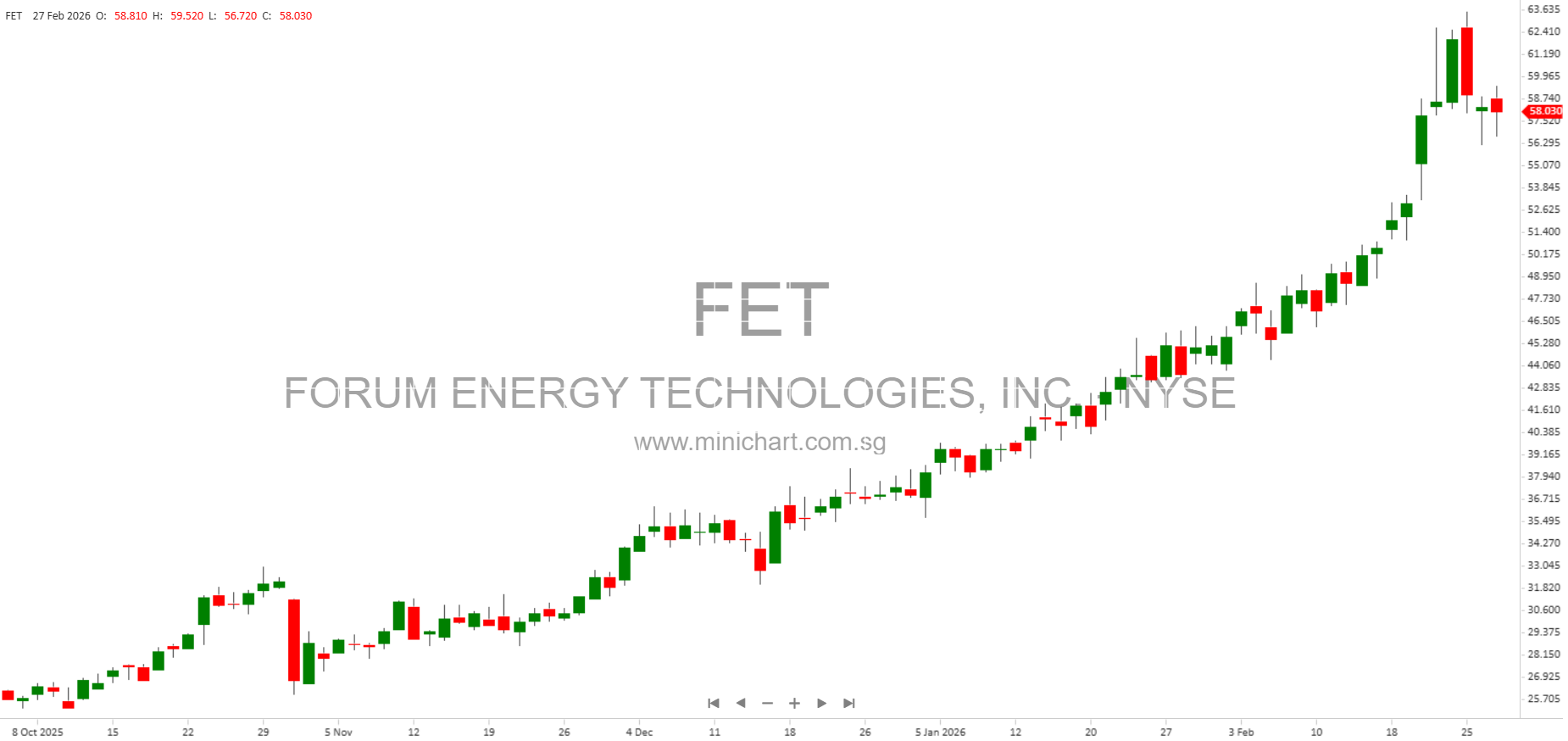
- Stock Price Volatility: FET’s common stock has been volatile and is expected to remain so.
- Debt Covenants: Debt agreements contain operating and financial restrictions that limit business flexibility and access to capital.
- Variable Rate Debt: Interest rate risk could cause debt service obligations to increase significantly.
- Capital Markets Access: Access to favorable capital terms is limited by debt levels, industry conditions, and credit rating.
- Organizational Protections: Delaware law and company documents may delay or prevent a change in control, potentially affecting stock price.
- Impairment Charges: The company incurred impairment charges in 2024 and warns of potential additional charges, which may be price sensitive.
- Shareholder Returns: Board discretion over dividends and repurchase programs means there is no guarantee of future capital returns. Changes to these policies may impact share price.
- Internal Controls: Any future material weaknesses in internal controls could decrease investor confidence and share value.
Acquisition and Disposition Risks
FET engages in acquisitions and dispositions to maximize efficiency and value. However, risks include failure to complete transactions, inability to realize anticipated benefits, integration challenges, unexpected legal or financial exposures, and adverse effects on earnings and cash flow. Use of cash for acquisitions could reduce funds available for capital expenditures and other uses.
Regulatory and Environmental Concerns
Environmental regulations are increasingly stringent, potentially leading to higher compliance costs, corrective actions, and liability for accidental releases. Changes in environmental laws or enforcement policies could materially affect operations and financial position.
Conclusion: Price-Sensitive Developments
- Impairment Charges: The warning of potential future impairment charges is highly price sensitive, as it may affect earnings and investor sentiment.
- Shareholder Returns: The board’s discretion over repurchases and dividends means any changes—especially reductions or suspensions—could move the share price.
- Supply Chain Interruptions: Specific mention of Downhole product delays due to casing shortages in 2025 raises concerns about operational risks and future order fulfillment.
- Internal Controls: Any deterioration or failure in internal controls, though currently attested, would be highly price sensitive.
- Debt and Capital Access: Constraints on capital access and potential for increased debt costs could impact future growth and share value.
- Regulatory Environment: Environmental liabilities and regulatory changes could materially impact costs and operations.
Disclaimer
The above article is based on the 2025 Annual Report for Forum Energy Technologies, Inc. and is intended solely for informational purposes for investors. It does not constitute investment advice. Investors should perform their own due diligence and consult with professional advisors before making investment decisions. The information herein may not reflect the latest developments or market conditions.