Acadia Pharmaceuticals 2025 Annual Report – Key Investor Insights
Executive Summary
Acadia Pharmaceuticals Inc. (Nasdaq: ACAD) has published its Form 10-K annual report for the fiscal year ended December 31, 2025. The report outlines the company’s performance, strategic direction, risk factors, and regulatory compliance. As a leading biopharmaceutical company based in San Diego, CA, Acadia’s business development, pipeline progress, and regulatory outcomes are all crucial to its valuation and the outlook for shareholders.
Key Highlights
- Primary Products & Commercialization: Acadia’s business is highly dependent on the successful commercialization of its marketed products, Nuplazid and Daybue (trofinetide). The company’s financial health and future growth are closely tied to establishing, maintaining, and increasing sales of these drugs. Any negative developments affecting their sales could materially impact the company’s valuation.
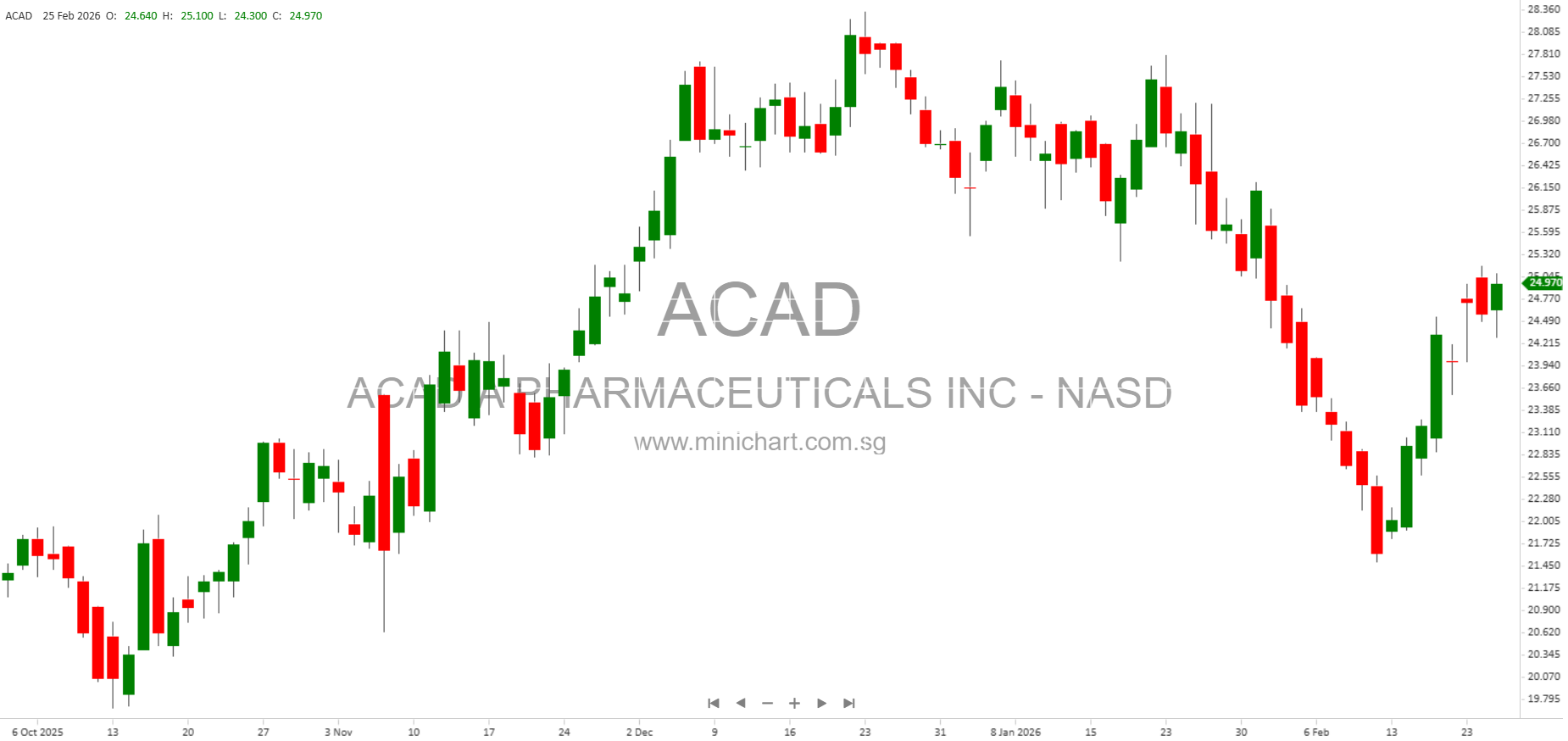
- Market Performance & Share Data: As of June 30, 2025, Acadia’s public float was approximately \$2.3 billion, with 170,494,613 shares outstanding. These metrics reflect the company’s substantial market capitalization and liquidity.
- Regulatory Status: Nuplazid and Daybue are both subject to significant regulatory oversight. Shareholders should note the importance of ongoing FDA and other regulatory approvals for existing products and pipeline candidates. Delays or failures in regulatory processes could have a direct impact on revenues and share price.
- Revenue & Payer Coverage Risks: The report underscores that Acadia’s ability to generate revenue is at risk if commercial or government payers reduce coverage or require higher out-of-pocket costs for patients. Changes in payer policies can quickly impact top-line performance.
- Pipeline & Growth Strategy: Acadia is investing in expanding indications for existing drugs (especially Daybue/trofinetide) and developing new candidates. The company’s strategy includes seeking additional regulatory approvals both in the U.S. and internationally, which, if successful, could be a major catalyst for future growth and valuation.
- Financial Position & Capital Needs: The report highlights the possibility that Acadia may require additional financing to fund ongoing and future operations, including R&D and commercialization efforts. Inability to secure such financing could impede its business plan and growth trajectory.
- Operational Uncertainties: Management warns of expected fluctuations in operating results, which may make short-term performance unpredictable. These fluctuations could result from changes in sales, regulatory developments, or external economic factors.
- Tax and Regulatory Environment: Changes in tax laws or regulations, or unfavorable decisions by tax authorities reallocating taxable income, could materially impact Acadia’s financial condition. Additionally, compliance with evolving laws and standards (including environmental, health and safety, and corporate governance) is expected to result in ongoing significant costs.
- Competitive Landscape: The company operates in a highly competitive industry. Many competitors have greater resources, more experience in regulatory matters, and stronger pipelines, which could impact Acadia’s market share and ability to achieve commercial success.
- Global and Macroeconomic Risks: Adverse global economic conditions, including international trade policies, tariffs, and sanctions, could negatively affect Acadia’s business operations, financial condition, and growth prospects.
Matters of Material Importance to Shareholders
- Share Price Sensitivity: Any developments affecting the commercialization, regulatory status, or payer coverage of Nuplazid and Daybue could rapidly move Acadia’s stock price. Investors should closely monitor these areas for news or changes.
- Potential Capital Raise: The possibility of future financing (e.g., new stock issuance or debt) may be dilutive to existing shareholders and is an important risk to consider.
- Regulatory/Clinical Milestones: Upcoming data releases, regulatory submissions, and approval decisions for pipeline products and new indications could serve as catalysts (positive or negative) for share price.
- Legal and Compliance Risks: The company’s exposure to changing laws, rules, and standards presents ongoing risks and potential liabilities.
Summary of Risks
The company’s “Summary of Risk Factors” includes the following potentially price-sensitive risks:
- Dependence on successful sales and commercialization of Nuplazid and Daybue.
- Risks related to payer coverage and patient access.
- Uncertainty regarding future financing needs and sources.
- Exposure to changes in laws, tax regulations, and compliance costs.
- Potential adverse impacts from global macroeconomic trends and competitive pressures.
- Operational unpredictability and fluctuations in financial results.
- Material risks from changes in the regulatory environment and approval timelines.
Conclusion
Acadia Pharmaceuticals’ 2025 annual report presents a company at a pivotal stage, with key commercial products in the market and a focus on expanding indications and pipeline development. The company’s prospects—and share price—are closely tied to the continued success of Nuplazid and Daybue, favorable regulatory outcomes, payer coverage, and the ability to secure additional capital if needed. Shareholders should remain attentive to regulatory, commercial, and financial developments, as these are all likely to influence Acadia’s market performance in the near and medium term.
Disclaimer: This article is for informational purposes only and does not constitute investment advice. Investors should consult their own financial or legal advisors before making investment decisions. The information is based on Acadia Pharmaceuticals’ official SEC filings and may be subject to change without notice.