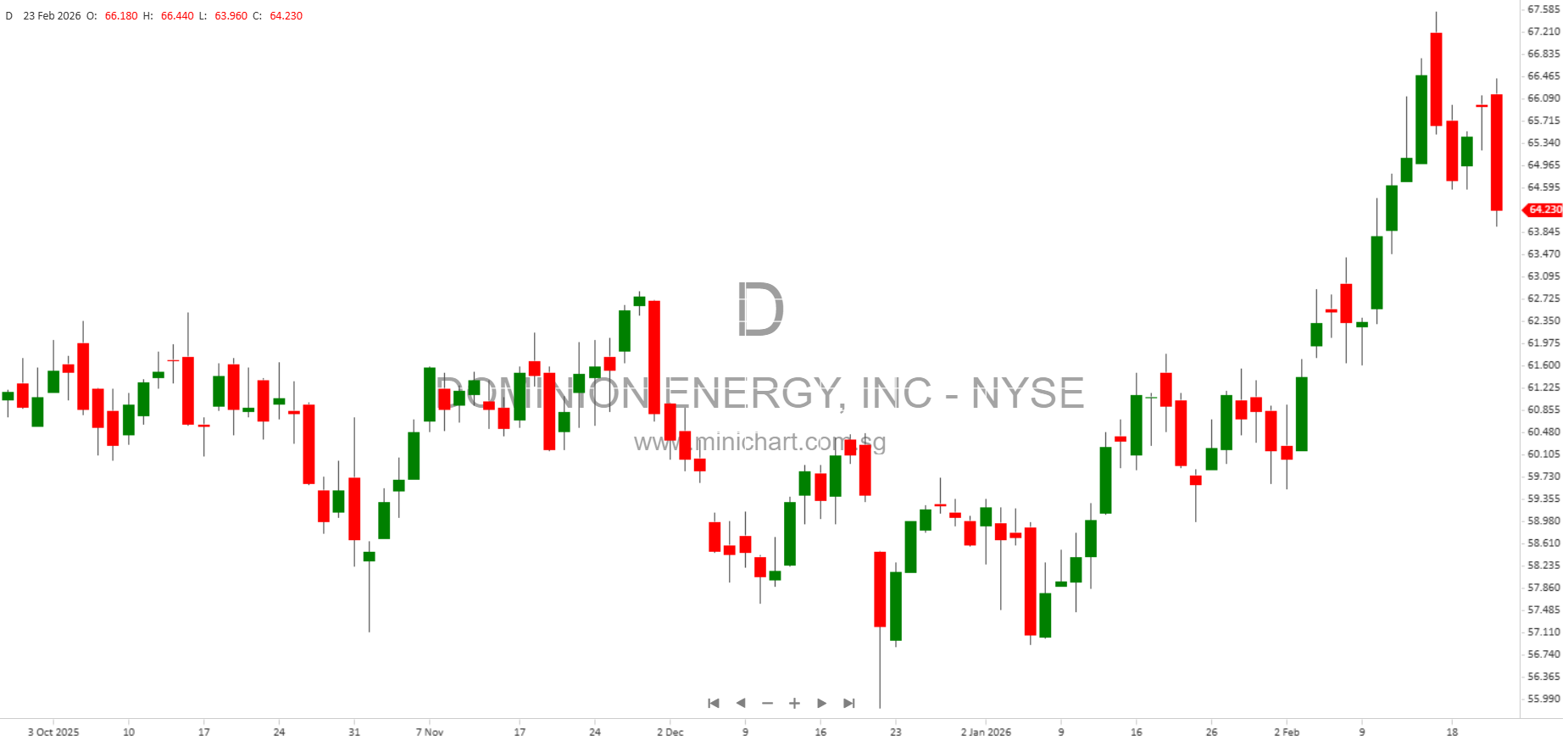
Key Financial and Strategic Highlights from Dominion Energy Virginia’s 2025 10-K Filing
Overview
Dominion Energy Virginia, headquartered in Richmond, VA, has released its annual 10-K report for the fiscal year ending December 31, 2025. This comprehensive regulatory filing provides a detailed picture of the company’s financial position, ongoing projects, and strategic risks and opportunities. Several critical disclosures have the potential to impact investor sentiment and the company’s share price.
Key Points for Investors
- Major Capital Projects: Dominion Energy Virginia is progressing with significant infrastructure projects, including new transmission lines and station upgrades in Loudoun County and Prince William County, Virginia, as well as the acquisition of the Foxhound Solar Project. These capital investments are designed to modernize the grid and expand renewable generation, supporting long-term growth.
- Regulatory Matters: The company is involved in multiple regulatory proceedings, including cost recovery for environmental remediation (e.g., coal ash pond and landfill closures) and Deferred Cost of Fuel in Electric Generation. These items could materially affect cash flow and earnings, depending on future rulings.
- Fair Value Measurements & Derivatives: The 10-K details extensive use of derivatives for commodity and interest rate risk management, with a notable emphasis on Level 3 fair value measurements involving unobservable inputs. This suggests exposure to market volatility, especially in commodity prices and interest rates. Notably, the company uses both cash flow and non-designated hedges, which can result in earnings volatility.
- Debt and Credit Facilities: Dominion Energy Virginia maintains multiple credit facilities, including a Sustainability Revolving Credit Facility and a Three Sixty-Four Day Term Loan Facility. The report highlights new issuances such as Unsecured Senior Notes maturing between 2025 and 2055, and Senior Secured Deferred Fuel Cost Bonds due in 2029 and 2033. The company also utilizes tax-exempt financings and letters of credit, strengthening its liquidity profile but increasing leverage.
- Defined Benefit Plan Risks: The company’s pension and other postretirement benefit plans are invested across a range of asset classes, including equity securities, government debt, and alternative investments. Changes in plan asset values and discount rates could drive future balance sheet and income statement volatility.
- Discontinued Operations: There are references to discontinued operations and divestitures, including material reconciling items and intersegment eliminations. Investors should monitor these for any potential one-time gains/losses or shifts in the company’s strategic focus.
- Environmental and Regulatory Contingencies: Dominion Energy Virginia faces ongoing regulatory scrutiny from agencies such as the Environmental Protection Agency. Potential unfavorable regulatory actions or changes in environmental law could impose substantial new costs or liabilities.
Potentially Price-Sensitive Items
- Regulatory Rulings: Outstanding regulatory asset and liability proceedings—especially those involving environmental remediation and fuel cost recovery—have the potential for material financial impact. Adverse rulings could significantly affect earnings and cash flows, which would be price-sensitive for shareholders.
- Debt and Liquidity: The company’s reliance on various credit facilities and new debt issuances increases its interest expense and financial leverage. Any changes in market interest rates or credit ratings could impact borrowing costs and, by extension, profitability and dividend capacity.
- Renewable Investments and M&A: The acquisition of assets like the Foxhound Solar Project and continued investments in transmission and generation infrastructure signal a commitment to renewable energy growth. Successful execution could drive future earnings growth, while delays or cost overruns could create downside risk.
- Hedging Strategy and Market Risks: The extensive use of derivatives to manage commodity and interest rate risks exposes the company to market volatility, especially with significant Level 3 fair value positions. Large swings in these markets could lead to earnings surprises, both positive and negative.
- Pension and Postretirement Obligations: Changes in the value of pension plan assets or required contributions could also materially impact the company’s financial position and reported earnings.
What Shareholders Need to Watch
- Results of upcoming regulatory proceedings, especially regarding cost recovery and environmental compliance.
- Company’s ability to manage and service its increasing debt load while maintaining its credit ratings.
- Execution and integration of key capital projects and acquisitions, especially those related to renewable energy.
- Market conditions affecting derivatives and pension plan investments, which could drive short-term volatility in earnings and equity.
- Any strategic decisions regarding further asset sales, discontinued operations, or changes in business focus.
Conclusion
Dominion Energy Virginia’s 2025 10-K filing reveals a company actively investing in infrastructure and renewables, while managing significant regulatory, market, and financial risks. The outcome of various regulatory proceedings, execution of major projects, and effective risk management across debt and derivatives will likely be key price drivers for the company in the coming year. Investors should monitor these developments closely, as they can materially influence Dominion’s future earnings, cash flow, and, ultimately, its stock price.