Verizon Communications Inc. Files 8-K: Launches New Series of Notes, Updates on Securities Registration
Key Highlights from the Report
- New Series of Notes Issued: Verizon Communications Inc. has announced the issuance of new Fixed-to-Fixed Rate Junior Subordinated Notes due 2056, with interest rates of 4.2462% and 5.7427%.
- Registration Statement Incorporation: The forms of these notes have been filed as Exhibits to the existing Registration Statement and are now formally incorporated by reference.
- Comprehensive List of Securities: The filing provides a full inventory of securities registered on the NYSE and Nasdaq Global Select Market, including common stock and a wide range of senior notes maturing from 2026 through 2056, with varying interest rates and trading symbols.
- Taxation and Withholding Details: The report outlines the terms under which Verizon will pay additional amounts to holders in the event of U.S. withholding taxes, with specific exceptions noted (e.g., failure to comply with documentation, portfolio interest exemption, etc.).
- Benchmark Rate Provisions: Procedures are established for determining interest rates if the original benchmark (Five-Year Swap Rate) ceases to exist or becomes non-representative, including appointment of an Independent Adviser to select a Successor or Alternative Rate.
- Redemption and Rating Agency Events: The notes include provisions for redemption should certain tax events occur or if changes in rating agency methodologies affect equity credit, which could impact the cost of capital and the attractiveness of the notes.
- Emerging Growth Company Status: Verizon confirms it is not an emerging growth company under SEC definitions.
- Financial Statements and Exhibits: The filing includes financial statements and detailed exhibits, such as forms of the new notes and interactive data files formatted as inline XBRL for transparency and compliance.
- Corporate Signature: The report is authorized and signed by William L. Horton, Jr., Senior Vice President, Deputy General Counsel, and Corporate Secretary.
Important Shareholder Information
-
Potential Share Price Impact:
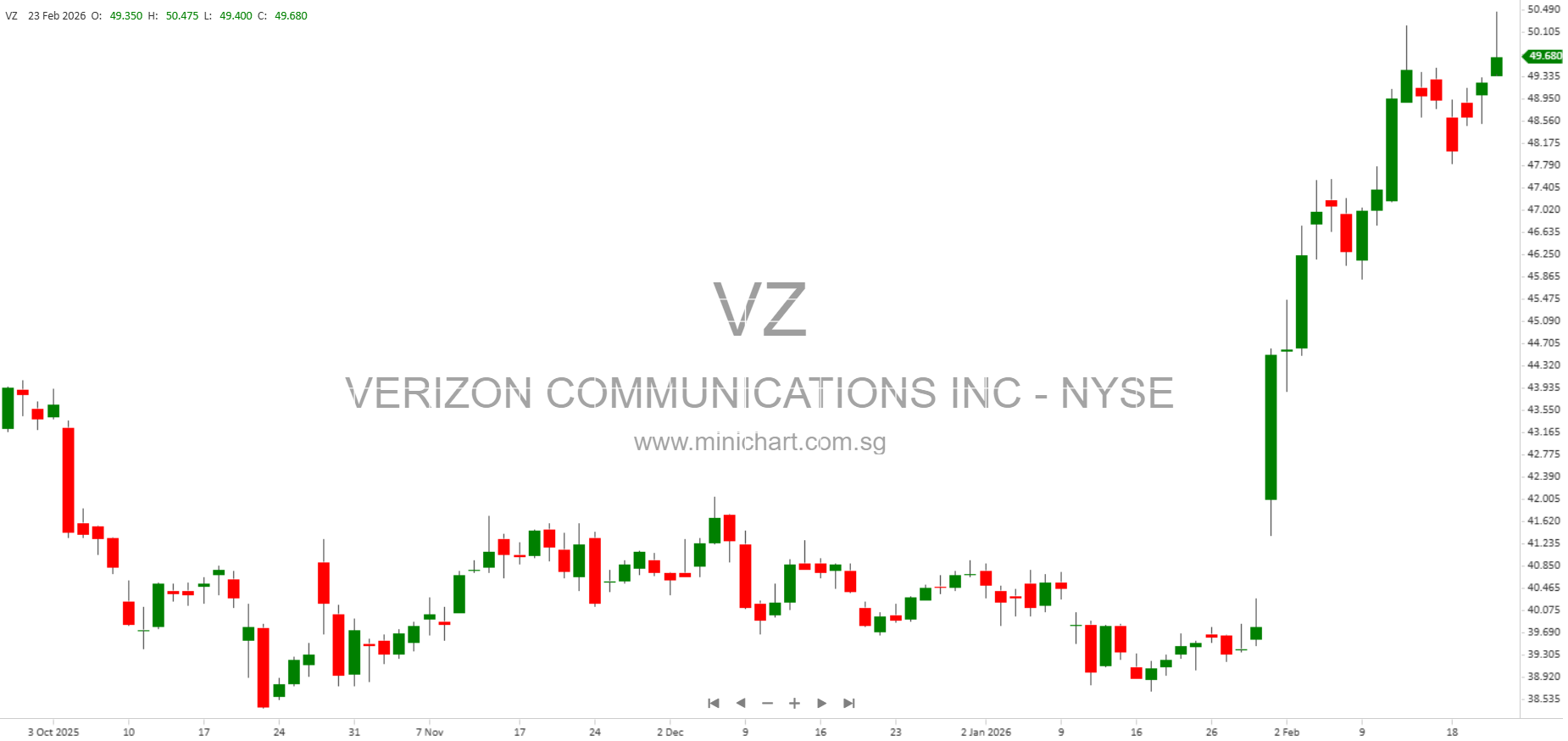
- The launch of new long-term debt securities (due 2056) with relatively high fixed rates could signal confidence in Verizon’s long-term cash flow, but also an increase in leverage and interest expense. Investors should assess how this affects future earnings and credit risk.
- Any change in benchmark rates or rating agency methodology, particularly if equity credit is reduced or interest deductibility is challenged, could materially affect Verizon’s cost of capital and share value.
- The comprehensive disclosure of registered securities and their trading status provides transparency but also highlights the company’s significant debt profile, which may influence investor sentiment.
- Redemption provisions tied to tax law changes or rating agency events could trigger early repayment, affecting yield and pricing of the notes, potentially impacting share price if market perceives increased risk or uncertainty.
-
Taxation Provisions:
- Verizon will pay additional amounts to non-U.S. holders if U.S. withholding taxes apply, but not in cases where the holder fails to comply with documentation requirements or is subject to certain U.S. tax statuses.
- Any future changes to U.S. tax law or its interpretation that increases Verizon’s obligation to pay additional amounts could affect its financial outlook.
-
Benchmark and Interest Rate Risks:
- If the Five-Year Swap Rate benchmark is discontinued or deemed non-representative, Verizon will appoint an Independent Adviser to select a new rate. The process and potential for rate changes introduces uncertainty for long-term debt holders.
-
Emerging Growth Company Status:
- Verizon is not classified as an emerging growth company, meaning it is subject to full SEC reporting and compliance obligations. This status should reassure investors of robust governance and transparency.
-
Comprehensive Disclosure:
- The detailed breakdown of securities, registration, trading symbols, and exchanges provides a clear picture of Verizon’s capital structure, which is crucial for assessing liquidity, debt maturity, and refinancing risks.
Details on Newly Issued Notes
| Series | Interest Rate | Maturity | Trading Symbol | Exchange |
|---|---|---|---|---|
| Fixed-to-Fixed Rate Junior Subordinated Notes | 4.2462% | 2056 | VZ 56 | New York Stock Exchange |
| Fixed-to-Fixed Rate Junior Subordinated Notes | 5.7427% | 2056 | VZ 56A | New York Stock Exchange |
Full Inventory of Registered Securities:
Verizon’s common stock (par value \$0.10) is registered on both the NYSE (symbol: VZ) and Nasdaq Global Select Market. The company has numerous senior notes with maturities ranging from 2026 to 2056 and various fixed rates, all listed on the NYSE.
Potential Risks and Share Price Sensitivities
- Interest Rate and Benchmark Risk: Changes in market rates or discontinuation of the benchmark rate may affect future interest payments and could introduce volatility to the debt and equity markets.
- Tax Law Changes: Changes in U.S. tax law or its interpretation could require Verizon to pay additional amounts to debt holders, impacting cash flow and profitability.
- Rating Agency Methodology: Any downgrade or methodological change that affects equity credit of the notes could increase funding costs and reduce attractiveness to investors.
- Leverage and Debt Profile: The issuance of long-dated, high-rate subordinated debt increases leverage, which can impact credit ratings and investor sentiment.
- Redemption Provisions: Early redemption features tied to tax or rating agency events may impact the value and yield of the securities, thereby affecting share price.
Conclusion
Verizon’s 8-K filing signals ongoing activity in capital markets with the issuance of substantial long-term debt. While this demonstrates confidence in future cash flows and commitment to robust financial disclosure, investors should closely monitor the company’s leverage, potential changes in benchmark rates, tax law developments, and rating agency methodologies. These factors have the potential to materially affect both the share price and the value of Verizon’s debt securities.
Disclaimer: This article is for informational purposes only and does not constitute investment advice. Investors should conduct their own due diligence and consult with financial advisors before making any investment decisions. The information presented is based on the latest SEC filings and may be subject to change or interpretation. No liability is accepted for any loss or damage arising from reliance on this report.