Carvana Co. Q2 2026 Financial Report: Detailed Investor Highlights
Summary of Key Points
- Quarterly Period Ended: June 30, 2026
- Shares Outstanding: 719,916,415 Class A shares, 380,547,355 Class B shares as of July 27, 2026
- Large Accelerated Filer Status: Carvana is classified as a large accelerated filer
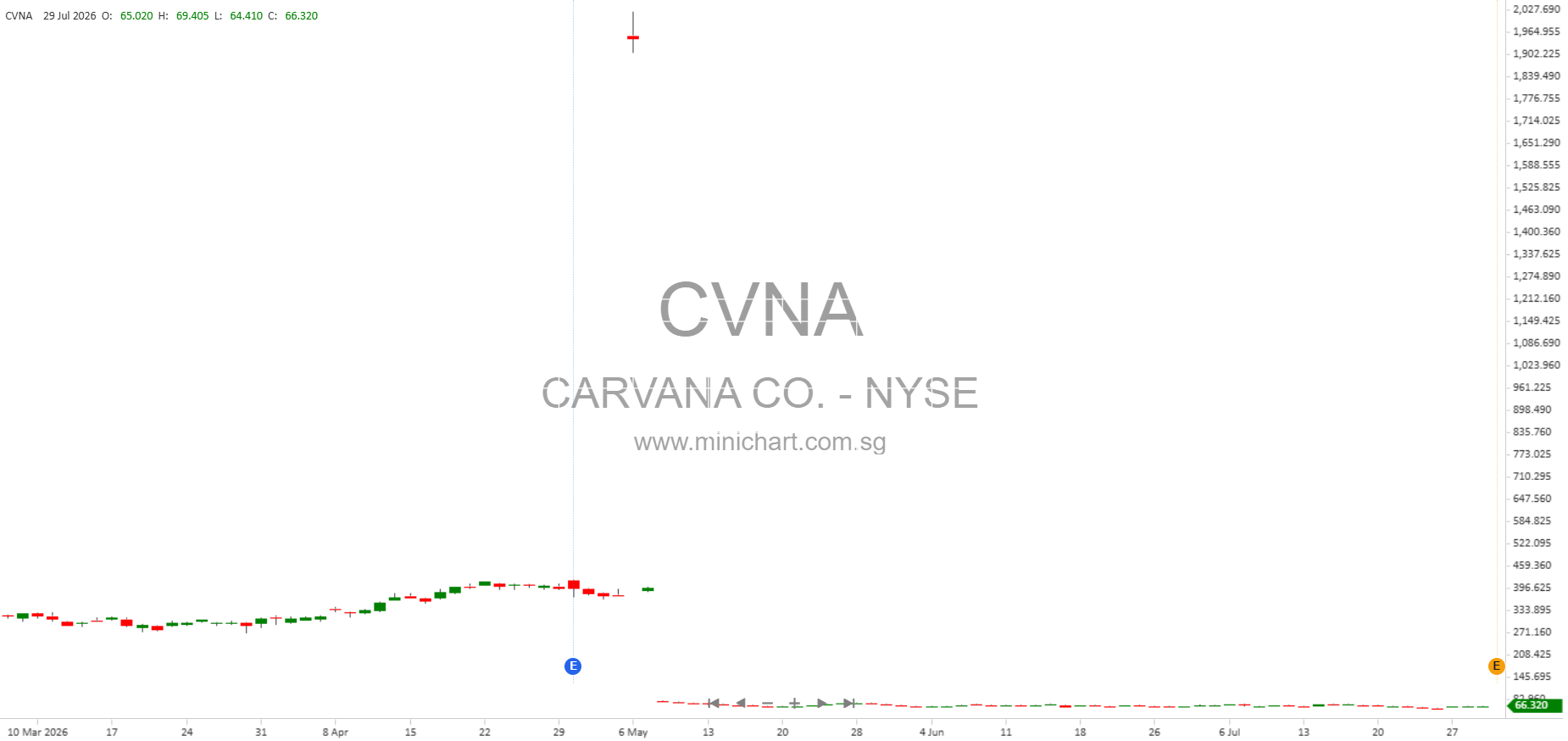
- Listing: Class A shares trade under the symbol CVNA on the NYSE
- Total Assets: \$13.552 billion as of June 30, 2026 (up from \$13.201 billion on Dec 31, 2025)
- Cash and Cash Equivalents: \$2.630 billion (up from \$2.327 billion at end 2025)
- Vehicle Inventory: \$2.408 billion (slightly decreased from \$2.413 billion)
- Stockholders’ Equity: \$3.441 billion (up from \$3.440 billion)
- Retained Earnings: \$551 million (significant swing from \$(9) million deficit)
- Non-Controlling Interests: \$1.110 billion (up from \$1.037 billion)
- No Preferred Stock Outstanding
Price Sensitive and Investor-Relevant Highlights
- Significant Increase in Retained Earnings: Carvana moved from a deficit of \$(9) million at the end of 2025 to positive retained earnings of \$551 million as of June 30, 2026. This is a major turnaround and could materially affect investor sentiment and share price.
- Strong Cash Position: Cash and cash equivalents increased by over \$300 million, suggesting improved liquidity and operational flexibility. This reduces financial risk and enhances Carvana’s ability to invest or weather macroeconomic challenges.
- Growth in Non-Controlling Interests: The increase to \$1.110 billion indicates expansion in subsidiary operations or new partnerships, which could positively impact future earnings streams.
- Stable Vehicle Inventory: Inventory levels remain healthy, supporting ongoing sales and revenue generation.
- Stockholders’ Equity Remains Robust: Equity grew slightly, reflecting financial stability and potential for shareholder value creation.
- No Preferred Stock Issued: Capital structure remains favorable for common shareholders, with no dilution risk from preferred equity.
- Reporting Compliance: Carvana has met all SEC reporting and electronic data requirements, supporting transparency and regulatory confidence.
Other Notable Items
- Debt and Lease Terms: Multiple debt instruments and lease terms are noted, with a debt instrument term of 4 years and several lease extensions. Investors should monitor for refinancing risks.
- Common Stock Conversion Ratios: Consistent ratios (0.8) suggest stability in share structure and potential implications for future capital actions.
- Trading Arrangement: The document references a trading arrangement for Thomas Taira, which could be relevant for insider activity analysis.
- Risk Factors and Market Risk: The index indicates risk factors and quantitative/qualitative disclosures about market risk are included in the full report, which investors should review for context on operational and financial risks.
- SEC Reporting Status: Carvana is not a shell company and is not considered an emerging growth company, providing stability in regulatory classification.
Potential Share Price Implications
- Positive earnings swing could lead to upward price action as the company demonstrates profitability.
- Strong liquidity and equity position reduces risk and may attract new institutional investors.
- Growth in non-controlling interests may signal expansion or strategic partnerships, adding long-term value.
- No dilution from preferred shares supports existing shareholder value.
- Compliance and transparency bolster investor confidence.
Conclusion
The Q2 2026 Carvana report reflects a company in transition, showing signs of profitability, strong cash reserves, and robust equity. The turnaround in retained earnings, growth in non-controlling interests, and healthy inventory are all positive signals. Investors should monitor further disclosures on risk factors and management discussion for deeper context, but overall, these financials are likely to be viewed as bullish for CVNA shares.
Disclaimer: This article is for informational purposes only and does not constitute financial advice or a recommendation to buy or sell any securities. Investors should conduct their own analysis and consult with a professional advisor before making any investment decisions. The information is based on the latest available quarterly SEC filings and may be subject to change.