Chubb Ltd Q2 2026 Financial Report: Key Points and Insights for Investors
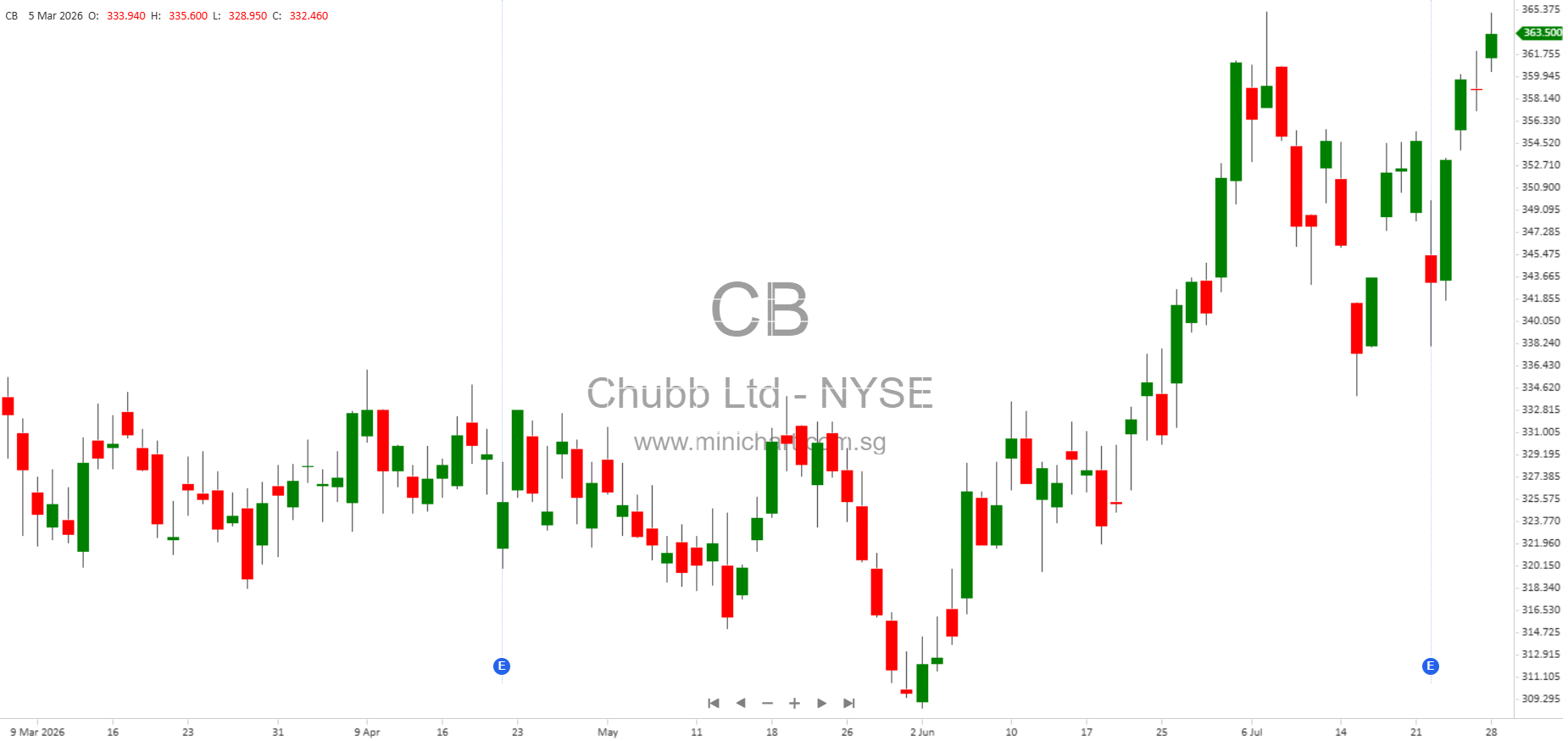
Chubb Ltd, a leading global insurance provider, has released its second quarter 2026 financial report. The document presents a comprehensive overview of the company’s performance, financial position, and segment disclosures for the period ending June 30, 2026. The following highlights and analysis are intended to inform investors and shareholders about critical developments that may influence share price movements.
1. Key Financial and Operational Highlights
- Reporting Period: January 1, 2026 – June 30, 2026
- Company Details: Chubb Ltd, headquartered in Zurich, Switzerland, specializes in fire, marine & casualty insurance.
- Fiscal Year End: December 31
- SEC File Number: 001-11778
- Business Segments: The report includes detailed segment disclosures for North America Commercial P&C, North America Personal P&C, Agriculture, Overseas General, Life, and Corporate operations.
2. Shareholder-Relevant & Potentially Price-Sensitive Developments
- Segment Performance and Business Acquisitions:
- Chubb has provided extensive breakdowns for its North America Commercial P&C, Personal P&C, Agriculture, and Overseas General segments. Of particular note is the inclusion of the “LMG Insurance Thailand” acquisition, which is referenced across multiple business segments. This signals ongoing international expansion and could have implications for future earnings streams and geographic diversification.
- Investors should watch for the integration progress and financial impact of the LMG Insurance Thailand acquisition, as successful integration may boost earnings and market positioning, while challenges could weigh on share price.
- Equity and Debt Instruments:
- Chubb’s report contains detailed disclosures on various classes of stock, senior notes, and bonds due in 2027, 2028, 2029, 2031, and 2032. The presence of multiple long-term and short-term debt instruments reflects active capital management. Investors should monitor interest expenses and refinancing risks, especially given the maturities and market interest rate environment.
- There are recurring references to fair value measurements for these instruments, including Level 1, 2, and 3 inputs, which may affect the reported asset values and shareholder equity.
- Investment Portfolio Diversification:
- Chubb’s investment portfolio is highly diversified, including U.S. Treasury and government securities, foreign government securities, corporate debt, mortgage-backed securities, equity securities, alternative investments, private equities, distressed assets, and private credit funds. The report features frequent fair value measurement disclosures, including for alternative and distressed assets. Shifts in portfolio allocation or changes in fair value inputs may materially affect reported earnings and book value.
- Investors should be aware of the exposure to Level 3 assets, which are less liquid and subject to higher valuation uncertainty.
- Policyholder Account Balances:
- There are detailed disclosures regarding policyholder account balances, including those above and below guaranteed minimum crediting rates. The segmentation by crediting rate ranges (e.g., 0.001–0.050, 0.051–0.150, 0.151 and greater) may influence future income, especially as interest rates change.
- This is important for shareholders, as fluctuations in interest rates and guaranteed minimums could impact reserve requirements, profitability, and the company’s ability to sustain dividend payments.
- Hedging and Derivative Instruments:
- The report discloses the use of hedging and nondesignated derivative instruments, including foreign exchange contracts and single stock futures. The company appears to be actively managing risk exposures through derivatives, which can both mitigate and introduce volatility depending on market conditions.
- Investors should monitor the results of these risk management strategies, which can affect net income and equity.
- Segment Claims Duration:
- There are explicit disclosures of long-tail and short-tail insurance claims across business segments. Long-tail insurance contracts are more sensitive to changes in actuarial assumptions and interest rates, which can impact reserve adequacy and reported earnings.
- Significant shifts between short-tail and long-tail exposures, or changes in claims patterns, may influence future profitability.
3. Additional Factors for Investors
- Comprehensive Income and Equity Components:
- The report provides detailed breakdowns of accumulated other comprehensive income, retained earnings, common stock, treasury stock, additional paid-in capital, and noncontrolling interests. Changes in these equity components, such as unrealized gains/losses or buybacks, can affect book value and shareholder returns.
- Shareholders should note any significant movements in these accounts, especially if they result from changes in investment values or foreign currency translation adjustments.
- Segment Reporting & Geographic Diversification:
- Chubb’s segment reporting shows robust diversification across North America, overseas markets, agriculture, life, and corporate segments. The company’s continued expansion into international markets (e.g., Thailand) is a strategic move that could drive long-term growth.
- However, this also introduces new risks (regulatory, currency, integration), which investors should factor into their valuation models.
4. Potential Share Price Movers
- International Acquisition (LMG Insurance Thailand): Integration and performance of this acquisition could materially impact earnings and growth prospects.
- Investment Portfolio Exposure: Heavy allocation to Level 3 assets and alternatives may introduce volatility to reported earnings and book value.
- Debt Maturities and Refinancing: Multiple upcoming maturities in senior notes and bonds require careful monitoring of refinancing risks and interest expenses.
- Claims Duration Mix: Shifts in long-tail versus short-tail exposures may affect reserve adequacy and profitability.
- Policyholder Account Balances: Changes in credited rates and reserve requirements could influence profitability and dividend sustainability.
- Risk Management via Derivatives: Results of hedging strategies may introduce earnings volatility.
5. Conclusion
Chubb Ltd’s Q2 2026 financial report reveals a company actively managing its capital, expanding internationally, and maintaining a diversified investment portfolio. Shareholders should pay close attention to the integration of new acquisitions, the composition and valuation of investments, and the evolving risk profile of insurance contracts. These factors are all potentially price-sensitive and could influence future share price movements.
Disclaimer: This article is intended for informational purposes only. It is not investment advice. Investors should conduct their own due diligence and consult a qualified financial advisor before making any investment decisions. The author makes no warranty regarding the accuracy or completeness of the information provided and accepts no liability for any losses arising from reliance on this article.