Zixin Group Holdings: Key Shareholder Q&A Ahead of 2026 AGM – What Investors Need to Know
Zixin Group Holdings Limited has released its responses to key shareholder questions ahead of its Annual General Meeting (AGM) scheduled for 31 July 2026. The Board’s answers shed light on several issues that could be relevant and potentially price-sensitive for investors.
1. Geopolitical Tensions: Impact of the Iran War and Straits of Hormuz Blockade
- No Direct Material Impact Noted: Despite the ongoing war in Iran, the Straits of Hormuz blockade, and global energy price volatility, Zixin Group reports no material adverse impacts or disruptions to its business operations. The Group’s operations are primarily based in China, leveraging a stable energy mix largely from coal and clean energy sources. This has resulted in relatively steady energy costs domestically.
- No Exposure to Middle East Markets: Zixin’s products are neither energy-related nor exported to the Middle East, insulating it from the direct consequences of the regional conflict and logistical blockades.
- Potential Indirect Risks: The Board acknowledged that indirect effects may arise, such as increased freight costs, volatile energy prices, or supply chain disruptions. The Group is actively monitoring the situation and is prepared to implement risk mitigation strategies as needed.
- Diversification Strategy: Management is focused on diversifying its customer base and expanding into agricultural markets across Southeast Asia and beyond to reduce reliance on any single market, which could help cushion any future shocks.
2. Warrant Exercise Performance: Zero Uptake Raises Questions
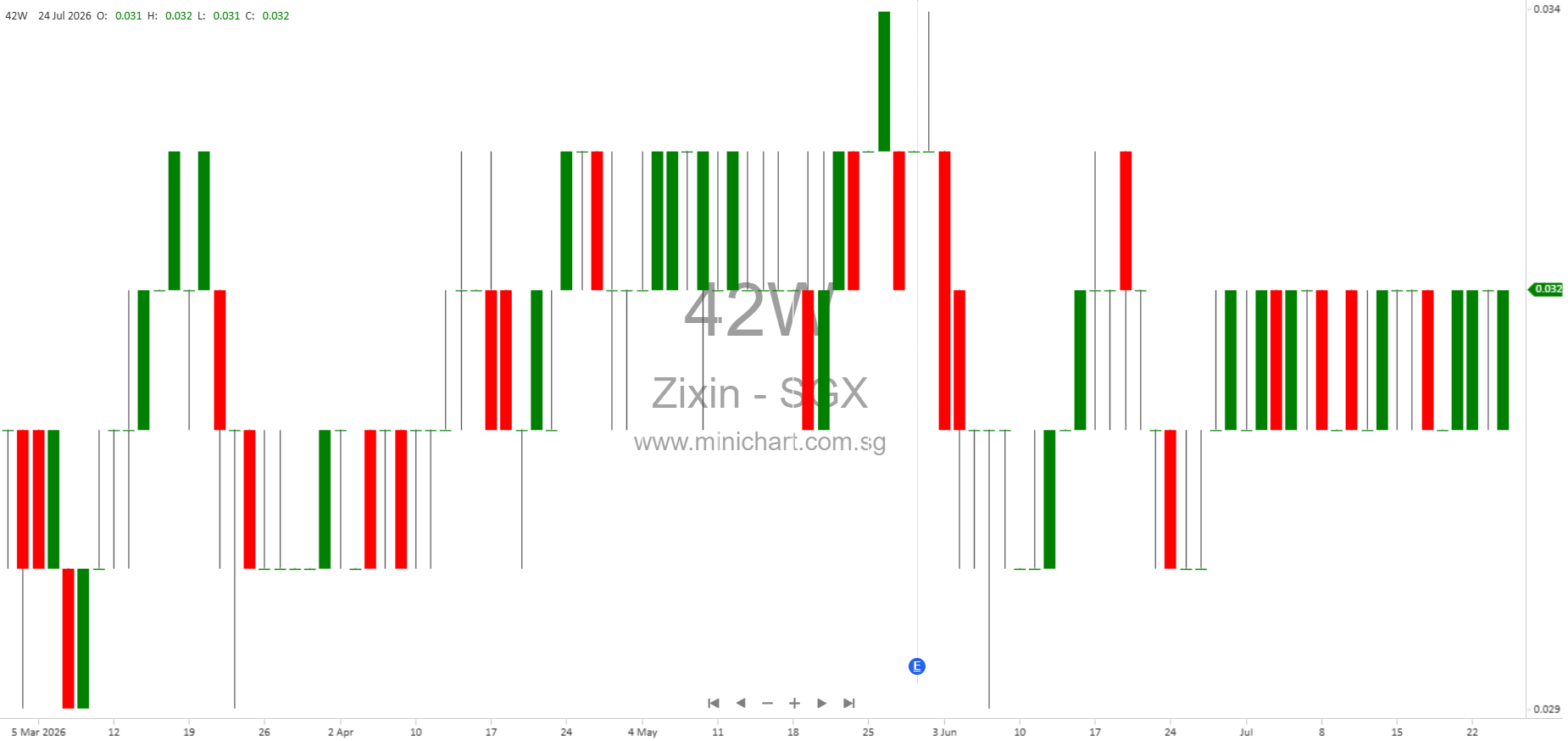
- Poor Warrant Exercise Rate: Shareholders expressed concerns after the Company’s warrants, which expired on 23 June 2026, saw a zero exercise rate—meaning not a single warrant was converted into shares, including by management or board members.
- Warrant Terms Under Scrutiny: Questions were raised as to whether the conversion price of 4.5 cents was set too high or if the two-year exercise period was too short. The Board responded that the pricing and period were in line with market norms and based on historical share price performance, previous placements, rights issues, and fundraising needs.
- Individual Decisions: The Board clarified that the decision to exercise warrants is a personal investment choice and not necessarily a reflection of management’s or directors’ view of the Company’s prospects. The Board is not privy to the individual reasons for non-exercise.
3. Management’s Confidence: Does Non-Participation Signal Lack of Faith?
- Investor Confidence Questioned: The lack of participation by the Board and management in the warrant exercise prompted questions about their confidence in the Company’s future and whether the share price is perceived as overvalued.
- Board’s Position: The Board reiterated that it cannot comment on the private investment decisions of individuals, including directors and management. These decisions may be influenced by multiple personal factors unrelated to the Company’s fundamentals.
Key Takeaways for Shareholders
- Insulation from Middle East Risks: For now, Zixin Group is not directly affected by Middle East tensions, but management is monitoring potential indirect risks.
- Zero Warrant Exercise: The complete lack of warrant conversion could suggest that investors (including insiders) currently see insufficient upside at the set conversion price, or may signal caution regarding near-term prospects. This could be interpreted as a potential warning sign for the stock’s valuation or market confidence.
- Ongoing Diversification: The Company’s push into new markets could provide future growth opportunities and reduce risk concentration.
Potential Price-Sensitive Issues
- The zero warrant exercise rate, including by insiders, may be interpreted negatively by the market as a lack of confidence in near-term share price appreciation.
- Lack of direct exposure to current global geopolitical risks could be seen as a positive for the stability of operations.
Disclaimer: This article is for informational purposes only and does not constitute investment advice. Investors should conduct their own due diligence and consult with professional advisors before making any investment decisions. The information is based on company disclosures as of July 2026 and may be subject to change.
紫鑫集团控股有限公司:2026年股东大会前关键问答——投资者须知
紫鑫集团控股有限公司 在2026年7月31日年度股东大会(AGM)前,发布了对股东核心提问的答复。董事会的回应揭示了几项对投资者可能具有重要性及潜在股价影响的事项。
1. 地缘政治紧张局势:伊朗战争与霍尔木兹海峡封锁的影响
- 未见重大直接影响: 尽管伊朗战争、霍尔木兹海峡封锁及全球能源价格波动持续,紫鑫集团表示其业务运营并未受到重大不利影响。集团主要在中国运营,能源以煤炭和清洁能源为主,国内能源成本相对稳定。
- 无中东市场敞口: 紫鑫的产品与能源无关,也未出口至中东,因此直接规避了该地区冲突和物流封锁的影响。
- 间接风险警惕: 董事会指出,能源价格波动、运输成本上升和供应链中断等间接影响存在可能性,集团正密切关注形势发展,并准备适时采取风险缓释措施。
- 多元化战略: 管理层正积极拓展东南亚等地的农业市场,以降低对单一市场的依赖,应对潜在风险。
2. 权证行权情况:行权率为零引发关注
- 权证行权率极低: 股东关注公司权证于2026年6月23日到期时,行权率为零——包括管理层和董事会成员在内无人行权。
- 权证条款被质疑: 股东质疑4.5分的行权价是否过高,或两年行权期是否过短。董事会回应称,行权价和期限均符合市场惯例,并参考了历史股价、以往配售、供股及资金需求等因素。
- 个人投资决定: 董事会表示,行权与否属于个人投资选择,并不一定代表管理层或董事会对公司前景的看法,公司无法获知其个人行权与否的具体原因。
3. 管理层信心:不行权是否暗示信心不足?
- 信心问题被问及: 董事会和管理层均未行使权证,股东质疑其是否对公司未来缺乏信心,或认为当前股价被高估。
- 董事会立场: 董事会重申,无法评论个人(包括董事和管理层)投资决策,这些决定可能受多种个人因素影响,并不完全反映公司基本面。
对股东的主要提示
- 中东风险暂未波及: 目前紫鑫集团未直接受中东紧张局势影响,但管理层会警惕潜在间接风险。
- 权证行权为零: 所有人(包括内部人士)均未行权,或反映市场对短期股价上涨信心不足,这可能被视为估值或信心警示信号。
- 多元化布局: 公司积极拓展新市场,未来有望带来增长机会并分散风险。
潜在影响股价的要点
- 权证行权为零,尤其是内部人士也未参与,市场或解读为近期股价缺乏上涨动力或信心不足,可能对股价构成压力。
- 未受当前全球地缘政治风险直接影响,对业务稳定性而言属利好。
免责声明: 本文仅供信息参考,不构成投资建议。投资者应自行尽职调查,并咨询专业顾问后再作投资决策。上述信息基于公司2026年7月披露,可能随时间变化而更新。