Wai Yuen Tong Medicine Holdings Limited – 2026 Annual Report Detailed Analysis
Key Financial Highlights
- Revenue: The Group reported revenue of approximately HK\$683.4 million for the year ended 31 March 2026, compared to HK\$745.3 million in 2025, reflecting a notable decline.
- Profit Attributable to Owners: Profit attributable to owners of the parent stood at HK\$4.0 million, down from HK\$7.1 million in 2025—a decrease mainly due to higher impairment loss on property, plant, and equipment.
- Finance Costs: Finance costs dropped significantly by 37.5% (HK\$10.6 million) to HK\$17.6 million, mainly due to lower interest rates and reduced loan levels following property disposals and scheduled repayments.
- Net Gearing Ratio: The Group’s net gearing ratio improved to 12.4% from 17.9% in 2025, reflecting a more robust financial position and conservative management.
- No Dividend Declared: The Board does not recommend any final or interim dividend for FY2026, marking a continuation of the cautious dividend approach.
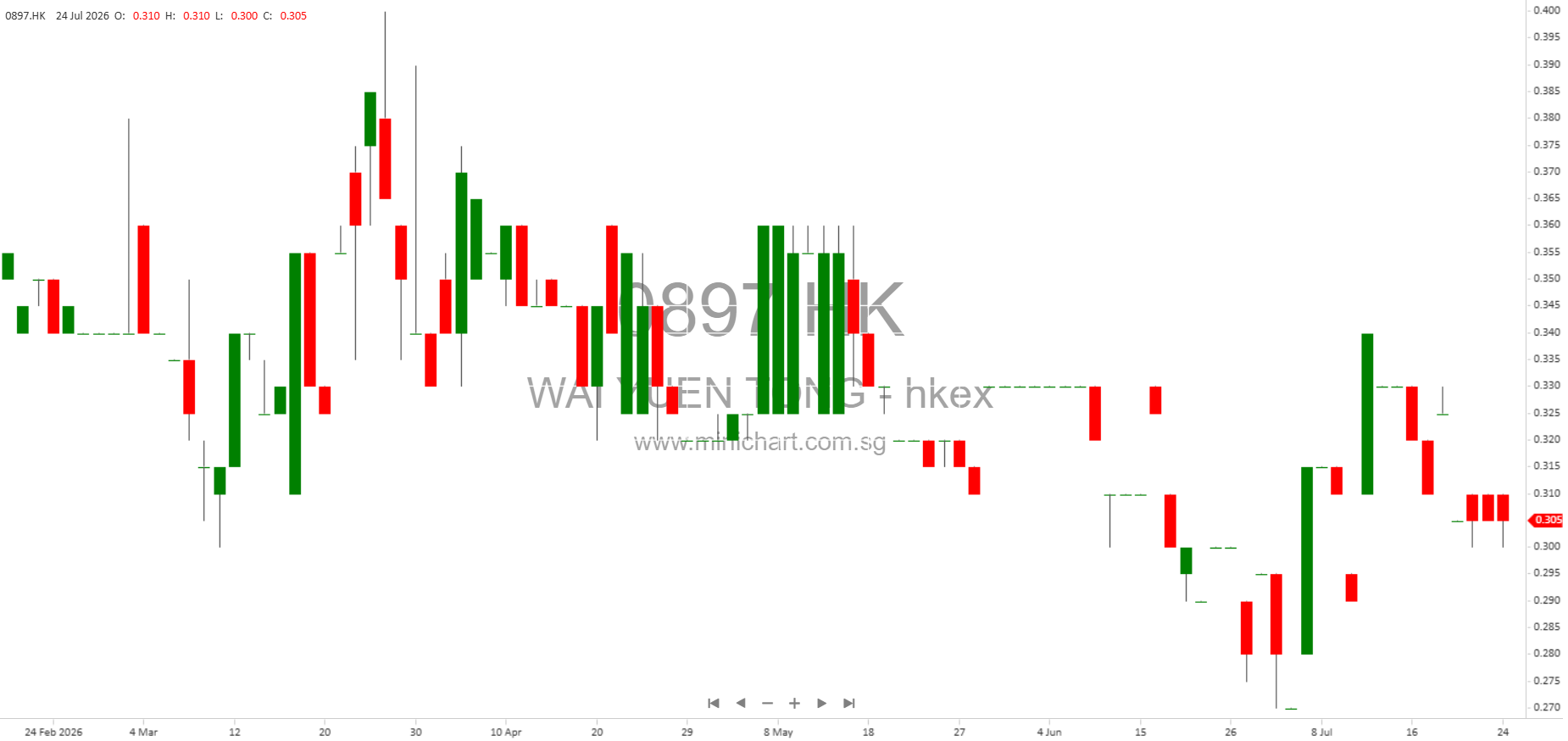
- Share Repurchase: The Company repurchased and cancelled 10,720,000 shares in March 2026, potentially enhancing per-share value for remaining shareholders.
Business Review and Developments
- Principal Activities: The Group remains focused on the production and sale of traditional Chinese and Western pharmaceutical products, health food, personal care products, and property investment.
- Strategic Direction: Wai Yuen Tong is actively pursuing a proactive expansion strategy centered on vertical integration, new product development (especially in unique Chinese and Western medicines), and broadening its retail and medical service networks. The Group is also open to M&A opportunities and portfolio diversification to reinforce its income base and competitiveness.
- Cost Control and Risk Management: The Group continues to monitor costs closely, adjust business strategy as needed, and maintain a healthy financing structure, supported by robust banking relationships.
- Capital Commitments and Pledged Assets: As of 31 March 2026, capital commitments for property, plant, and equipment stood at HK\$2.6 million. Secured bank loans are backed by assets worth HK\$298.6 million.
- Guarantees: The Group has provided a guarantee up to HK\$370 million for bank facilities granted to China Agri-Products Exchange Limited, a fellow subsidiary.
- Employee Numbers: At year-end, the Group employed 691 staff, mostly in Hong Kong and Macau, with a comprehensive benefits program and ongoing training.
Risks and Uncertainties
- Industrial Policy Risk: Regulatory changes and reforms in the traditional Chinese medicine sector could impact pricing, certification, and market access.
- Environmental Compliance: The Group is exposed to risks from environmental protection policies, especially concerning waste and wastewater from pharmaceutical manufacturing and market operations.
- Cost Pressures and Supply Chain Issues: Rising raw material costs, potential supply chain disruptions, and challenges in passing on rental increases to customers remain significant risks.
- Market Penetration and Consumer Behavior: Difficulty in entering emerging markets and adapting to shifts in consumer behavior, especially from economic downturns, could affect growth.
- Foreign Exchange Exposure: The Group has significant RMB exposure due to operations in mainland China. A retranslation gain of HK\$1.4 million was recorded this year due to currency fluctuations.
Corporate Governance and Compliance
- Chairman and CEO Role: The Company continues to deviate from the Corporate Governance Code’s recommendation of separating the roles of Chairman and Chief Executive, with Mr. Tang Ching Ho serving both roles.
- Board and Committees: The Group maintains a strong governance framework, with an active Audit Committee (all INEDs), Remuneration Committee, and Executive Committee.
- External Audit: Ernst & Young confirmed a true and fair view of the Group’s financials, with no significant deficiencies in internal controls reported.
- Whistleblowing Policy: The Company maintains a whistleblowing mechanism, with no reported cases of fraud or misconduct affecting the financials in FY2026.
- ESG Initiatives: The Group emphasizes environmental responsibility, with initiatives on energy conservation, solar energy, and community engagement. Detailed ESG performance will be available in a separate report.
- Compliance: The Group confirmed material compliance with all relevant laws and regulations in operating jurisdictions.
Capital Structure and Shareholder Matters
- Share Capital: The Company’s issued share capital as at 31 March 2026 was HK\$11.3 million, comprising 1,125,102,888 ordinary shares.
- Major Shareholders: Rich Time, WOE, Wang On, and Ms. Yau Yuk Yin each hold approximately 72% of the Company’s shares.
- Share Repurchase: The repurchase of 10,720,000 shares (about 1% of total issued shares) in March 2026 may positively impact share price by reducing supply and supporting per-share metrics.
- No Treasury Shares: Post-cancellation, the Company holds no treasury shares.
- No Dividend: The continued absence of dividends may disappoint income-focused investors but supports capital preservation and reinvestment for growth.
Liquidity, Capital Management, and Financial Risks
- Bank Borrowings: Interest-bearing bank borrowings total HK\$279.3 million, all at floating rates and denominated in HKD. The Group has complied with all covenants.
- Net Gearing: Net debt stands at HK\$146 million, with a gearing ratio of 12%.
- Risk Sensitivity: A 5% RMB appreciation/depreciation would impact profit by about HK\$908,000. A 50 basis point move in interest rates affects profit by HK\$1.17 million. A 10% change in equity investment fair values moves reserves by HK\$328,000.
- Liquidity: The Group maintains adequate liquidity, with undrawn banking facilities and prudent treasury management.
- No Significant Post-Year Events: No material events after the reporting period are disclosed.
What Investors Should Watch
- Profitability Pressure: The significant drop in profit and revenue, coupled with no dividend, may raise concerns about the Group’s earnings outlook.
- Share Repurchase: The buyback may provide short-term support to the share price and signals confidence in the Group’s value by management.
- Conservative Gearing: Improved net gearing offers financial stability but may also reflect limited growth investment without more aggressive leverage.
- Regulatory and Policy Risks: Ongoing reforms in the Chinese medicine industry and environmental regulations could affect future performance and should be monitored closely.
- Concentration of Ownership: With over 72% of shares held by a small group, liquidity and free float are relatively limited, and substantial trades by these stakeholders could move the share price.
Conclusion
Wai Yuen Tong’s 2026 annual report reveals a year of challenges, with declining top-line and bottom-line results, but also showcases management’s conservative financial stewardship through lower gearing and prudent capital management. The absence of a dividend may be a near-term negative, but the recent share buyback could support the share price. Investors should carefully monitor regulatory developments in both Hong Kong and the Chinese mainland, as well as the Group’s ability to recover growth momentum in its core businesses.
Disclaimer
This article is for informational purposes only and does not constitute investment advice. Investors should consult their own financial advisors and review the full annual report and relevant disclosures before making any investment decisions. The information herein is based on the Company’s published 2026 annual report and may be subject to change.