Professional Diversity Network, Inc. Significantly Increases Authorized Share Capital in Key Corporate Action
Professional Diversity Network, Inc. (NASDAQ: IPDN) has announced a sweeping amendment to its Certificate of Incorporation, a move that dramatically increases the company’s authorized share capital. This significant development was disclosed in the company’s Form 8-K filing dated July 24, 2026, and is likely to have a material impact on the company and its shareholders.
Key Highlights from the Report
- Share Capital Increase: The company’s total authorized capital stock has been increased from 46,000,000 shares (previously 45,000,000 shares of common stock at \$0.01 par value and 1,000,000 shares of preferred stock at \$0.01 par value) to an unprecedented 1,001,000,000 shares (comprised of 1,000,000,000 shares of common stock at \$0.0001 par value and 1,000,000 shares of preferred stock at \$0.0001 par value).
- Shareholder Approval: This amendment was approved by the shareholders at a Special Meeting of Stockholders held on July 13, 2026, and officially filed with the Secretary of State of Delaware on July 23, 2026, becoming effective at 5:30 p.m. ET on the same day.
- Stock Details: The company’s common stock continues to trade on the NASDAQ under the symbol IPDN. The amendment also allows the Board of Directors to issue preferred shares in one or more series with rights and preferences as determined by the Board.
Implications for Shareholders
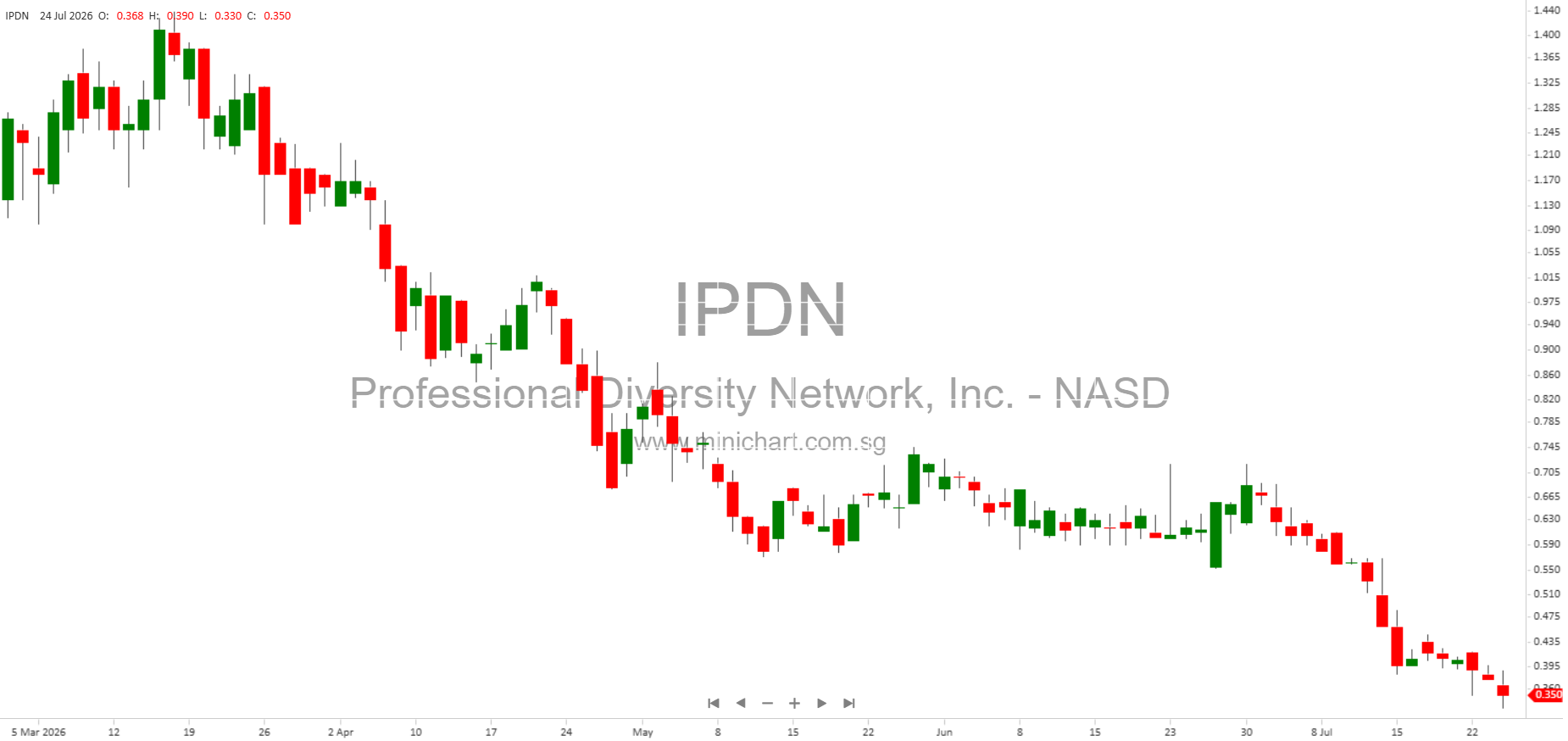
- Dilution Risk: The massive increase in authorized shares, particularly common stock, means the company now has the capacity to issue up to approximately 22 times more shares than before. This could lead to significant dilution for existing shareholders if new shares are issued, especially if they are offered at prices below the current market value.
- Possible Fundraising or M&A Activity: Such a large increase in authorized shares often precedes capital-raising efforts, strategic investments, acquisitions, or the use of shares for compensation or incentives. Investors should be alert to the possibility of future equity offerings or strategic moves that could impact the company’s capital structure and share price.
- Lower Par Value: The par value of both common and preferred shares has been reduced from \$0.01 to \$0.0001, aligning with modern capital market practices and providing greater flexibility for future corporate actions.
- Board Flexibility: The Board of Directors is authorized to determine the rights and preferences of preferred stock, which could include voting rights, dividend rights, or liquidation preferences. This could be used in the future to implement poison pills, preferred stock financing, or other strategic defenses or transactions.
Other Notable Information
- No Immediate Dilution: While the amendment enables the company to issue more shares, it does not itself constitute an issuance. Current shareholders are not immediately diluted, but the risk increases with any future share issues.
- Corporate Governance: The change was properly adopted in accordance with Delaware corporate law and the company’s governing documents.
- Filing Status: The company is not classified as an “emerging growth company” and remains subject to full SEC reporting requirements.
Conclusion
The authorization of 1 billion new shares is a highly material change for Professional Diversity Network, Inc. shareholders. This move gives management substantial latitude to raise capital, pursue strategic initiatives, or incentivize employees and partners. However, it also introduces significant dilution risk and may impact the stock price, depending on how and when the company utilizes these newly authorized shares.
Shareholders and prospective investors should closely monitor the company’s announcements and filings for any updates on new share issuances, capital raises, or strategic transactions that could affect their investment.
Disclaimer: This article is for informational purposes only and does not constitute investment advice. Investors should perform their own due diligence and consult a financial advisor before making investment decisions. The author and publisher are not responsible for any investment actions taken based on this article.