Coastal States Bank (NYSE: COSO) Files Form 8-K: Bylaws Amendment, Shareholder Rights, and Corporate Governance Changes
Key Points from the Report
- Form 8-K Filing: Coastal States Bank has filed a Form 8-K current report with the SEC, signifying important corporate events.
- Amendment to Bylaws: The company has amended its Amended and Restated Bylaws. The full text of the amendment is attached as Exhibit 3.2 to the 8-K.
- Shareholder Meeting Procedures Modified: Changes include new procedures for calling special meetings, submitting shareholder proposals, and nominating directors.
- Enhanced Shareholder Proposal Requirements: Shareholders must now provide detailed information when submitting proposals or nominating directors, including names, addresses, shareholdings, and business experience.
- Remote Participation in Meetings: The Board may now permit shareholder meetings to be held “solely or partially by means of remote communication,” which is a significant modernization of governance.
- Emerging Growth Company Status: Coastal States Bank is confirmed as an “Emerging Growth Company” under SEC rules.
- Standing for Derivative Proceedings: The amendment clarifies that shareholders must have held shares at the time of the act in question to bring a derivative suit.
- Stockholder Rights, Indemnification, and Governance: Detailed provisions for director and officer indemnification, fiscal year definition (calendar year), and procedures for dividends and distributions.
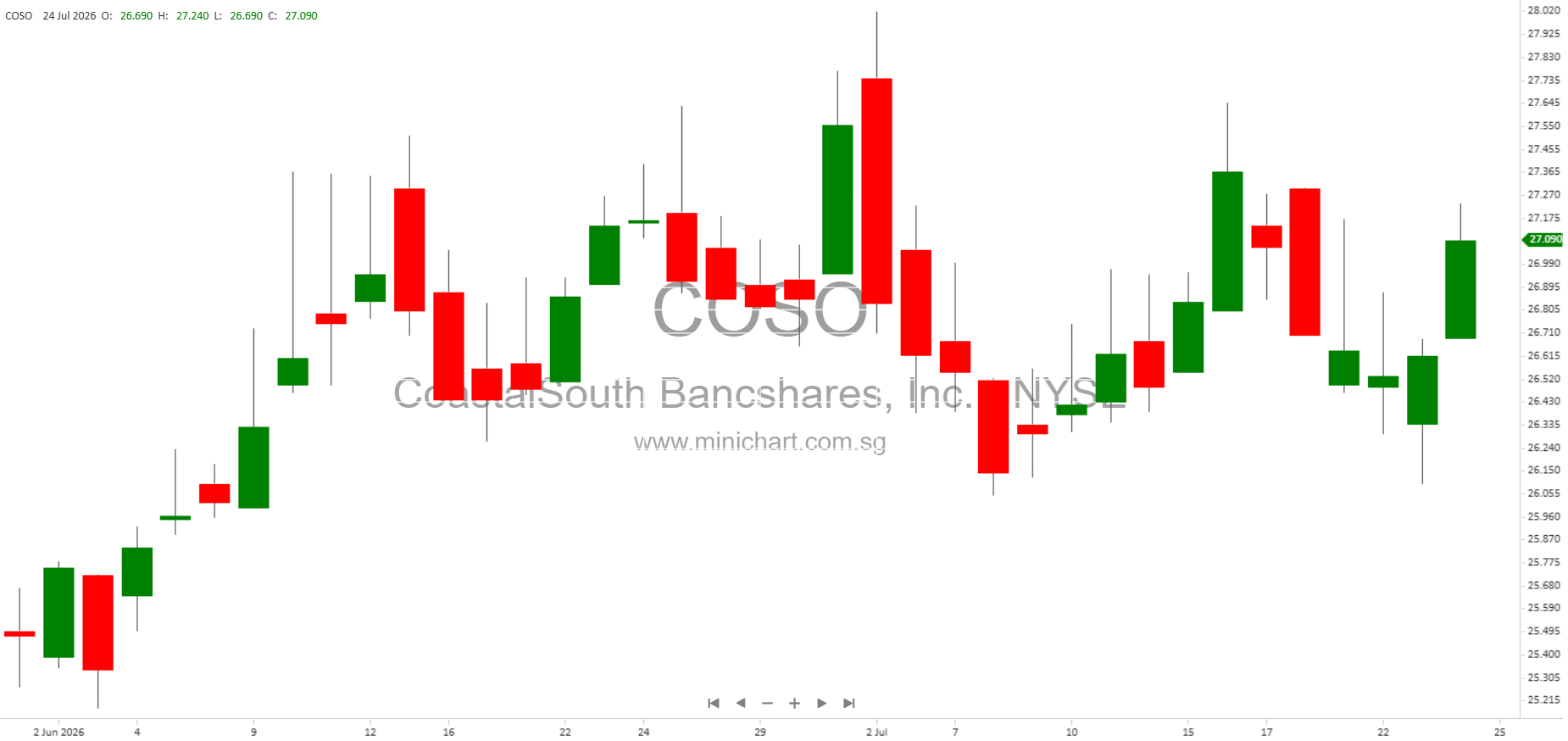
- Trading Information: The company’s common stock (par value \$1.00 per share) trades under the symbol “COSO” on the New York Stock Exchange.
Detailed Analysis and Implications for Investors
Coastal States Bank’s filing of Form 8-K and the attached bylaws amendment represent a substantial update to its corporate governance framework. Investors should note that these changes may affect shareholder rights and the procedures for influencing corporate actions.
1. Amendment to Bylaws
The amendment is focused on several critical areas:
- Calling Special Meetings: Shareholders holding at least 25% of eligible votes can now call special meetings. This empowers minority shareholders, but restricts business at those meetings to matters specified in the notice.
- Shareholder Proposal & Director Nomination Process: Shareholders must file a written notice with extensive details about themselves and any parties acting in concert, their ownership, and the proposal or nominee’s qualifications. The Board retains the power to reject proposals not conforming to these requirements.
- Timing of Proposals: Proposals for annual meetings must be submitted 120-150 days before the anniversary of the prior annual meeting; for special meetings, within 10 days of notice or public announcement.
- Remote Meetings: The Board may authorize shareholder meetings to be conducted remotely, potentially increasing participation and reducing logistical barriers.
- Derivative Litigation Standing: Shareholders must have held shares at the time of the event to bring derivative suits, which could limit activist litigation.
- Director and Officer Indemnification: Expanded provisions for indemnifying directors and officers, which may improve board recruitment and retention.
2. Shareholder Information and Potential Price Sensitivity
- Procedural Barriers for Activists: The new requirements for submitting proposals or nominations may deter activism and unsolicited proposals, potentially stabilizing management control.
- Remote Meetings: Investors who rely on in-person engagement should understand that remote meetings may change dynamics, especially in proxy contests or activist campaigns.
- Emerging Growth Company Status: The company has not opted out of extended transition periods for new accounting standards, which may affect financial reporting comparability.
- Dividend and Distribution Policy: The Board retains broad discretion, but there is no immediate change to dividend policy disclosed.
3. Potential Impact on Share Price
These amendments could be price sensitive for several reasons:
- Corporate Governance Risk: If investors or activists perceive the bylaws as limiting their ability to influence management or nominate directors, this could affect valuation and investor sentiment.
- Litigation Risk: The clarified standing requirements for derivative actions may reduce legal risk and expenses, potentially improving profitability.
- Remote Meeting Flexibility: This modernization may make the company more attractive to institutional investors, but could also affect shareholder engagement.
Conclusion
Coastal States Bank’s amended bylaws introduce more rigorous procedures for shareholder engagement, enhance management’s control over the meeting process, and modernize governance with the option for remote participation. While these changes may reduce activist risk and litigation, they may also be seen as defensive by some investors. The confirmation of its Emerging Growth Company status and the trading details are unchanged.
Shareholders are advised to review the full text of the bylaws amendment (Exhibit 3.2) and monitor any future filings for additional changes that could affect governance or shareholder value.
Disclaimer
This article is for informational purposes only. It does not constitute investment advice or a solicitation to buy or sell securities. Investors should perform their own due diligence and consult a qualified financial advisor before making investment decisions. The information herein is based on the company’s SEC filings as of July 23, 2026, and may be subject to change.