Johnson & Johnson Q2 2026 Earnings Report: Key Investor Insights
Introduction
Johnson & Johnson (NYSE: JNJ) has filed its Quarterly Report on Form 10-Q for the period ended June 28, 2026. As a global leader in pharmaceuticals, medical devices, and consumer health, J&J’s quarterly updates are closely watched by institutional and retail investors alike. This report focuses on the company’s financial performance, key business segments, material events and other information that could impact share price.
Key Highlights from the Report
- Reporting Period: Q2 2026 (ending June 28, 2026)
- Business Segments: Innovative Medicine and MedTech remain the primary operational divisions.
- Financial Instruments: Extensive disclosure of outstanding debt instruments, including multiple new and existing notes maturing between 2027 and 2060, with various interest rates.
- Derivatives/Hedging: Significant use of derivative instruments, including interest rate swaps, foreign exchange contracts, and cross-currency swaps, primarily for hedging purposes.
- Equity and Investment Holdings: Comprehensive breakdown of equity investments, including those with and without readily determinable fair values.
- Litigation: Ongoing talc-related litigation remains a material issue and is specifically referenced in the context of business segments.
- Segment Revenue Details: Detailed segmentation of geographic and product/service revenues, including key drugs such as CARVYKTI, SPRAVATO, and others in oncology, immunology, and neuroscience.
Key Issues for Shareholders
1. Extensive Debt Portfolio and Maturity Profile
J&J’s balance sheet shows a broad array of outstanding notes and debentures, with maturities ranging from short-term commercial paper facilities to long-dated notes maturing as late as 2060. Notably, several new notes have been issued, and many are subject to detailed fair value and carrying value disclosures. This level of debt, while manageable for a company of J&J’s scale, means interest expense and refinancing risks are important for investors to monitor, especially in a changing rate environment.
2. Derivative and Hedging Activity
The company continues to actively manage risk through various derivative instruments. These activities are primarily focused on interest rate and foreign exchange risk, but investors should note the scale and complexity of these hedges. Any missteps in hedging strategy or sudden market moves could impact reported earnings or cash flows.
3. Material Ongoing Litigation: Talc Cases
The talc litigation remains a headline risk for J&J. The company’s exposure to talc-related liabilities continues to be referenced throughout its segment and risk disclosures. Any material developments—such as verdicts, settlements, or regulatory actions—could have a significant impact on the company’s financial position and share price.
4. Detailed Segment Reporting by Geography and Product
The report provides granular detail on performance by business segment (Innovative Medicine, MedTech) and by therapeutic area (Oncology, Immunology, Neuroscience). Key products such as CARVYKTI and SPRAVATO are listed, along with their segment and geographic breakdowns. Investors should pay close attention to trends in these areas for signs of growth or market share shifts.
5. Investment Portfolio Composition
J&J’s investment holdings include both equity investments with readily determinable fair values and those without. Changes in fair value, especially in volatile markets, could impact comprehensive income and book value.
Potential Share Price Impact
- Debt and Interest Expense: Rising rates or refinancing challenges could pressure margins.
- Litigation Exposure: Any negative surprises in talc litigation could be materially adverse to shareholders.
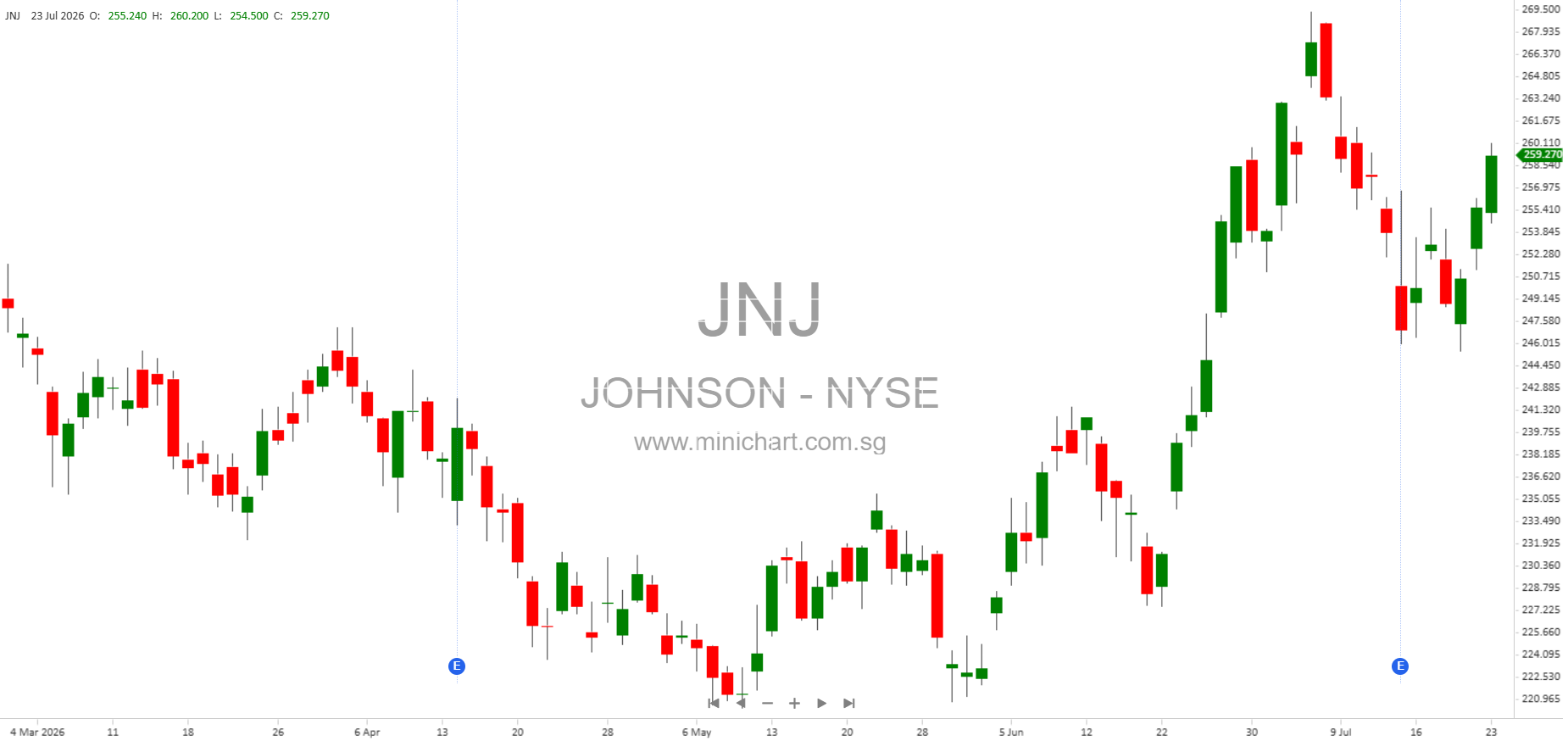
- Product Performance: Strong or weak sales in key drugs and devices will continue to be a share price driver.
- Global Diversification: Segment and geographic performance can offset localized downturns but also introduce currency and geopolitical risk.
- Investment Holdings Volatility: Mark-to-market changes in equity investments can affect reported results.
Conclusion
Johnson & Johnson’s Q2 2026 10-Q reveals a company that is both diversified and exposed to a variety of financial and operational risks, including an extensive debt and hedging portfolio, ongoing litigation, and dependence on blockbuster products. Shareholders should closely monitor developments in these areas, as any substantial changes could materially impact share price in the quarters ahead.
Disclaimer: This article is for informational purposes only and does not constitute investment advice. Investors should review the full 10-Q filing and consult with their financial advisors before making any investment decisions.