Terra Innovatum Global N.V. 2025 Annual Report: Key Investor Insights
Executive Summary
Terra Innovatum Global N.V. (“Terra” or “the Company”), a developer of advanced nuclear microreactor (MMR) technologies, has released its 2025 Annual Report, outlining its financial condition, business strategy, and a comprehensive risk factor summary. The report contains several notable disclosures that current and prospective shareholders should carefully consider, as they may have a material impact on the Company’s share price and outlook.
Key Highlights from the Annual Report
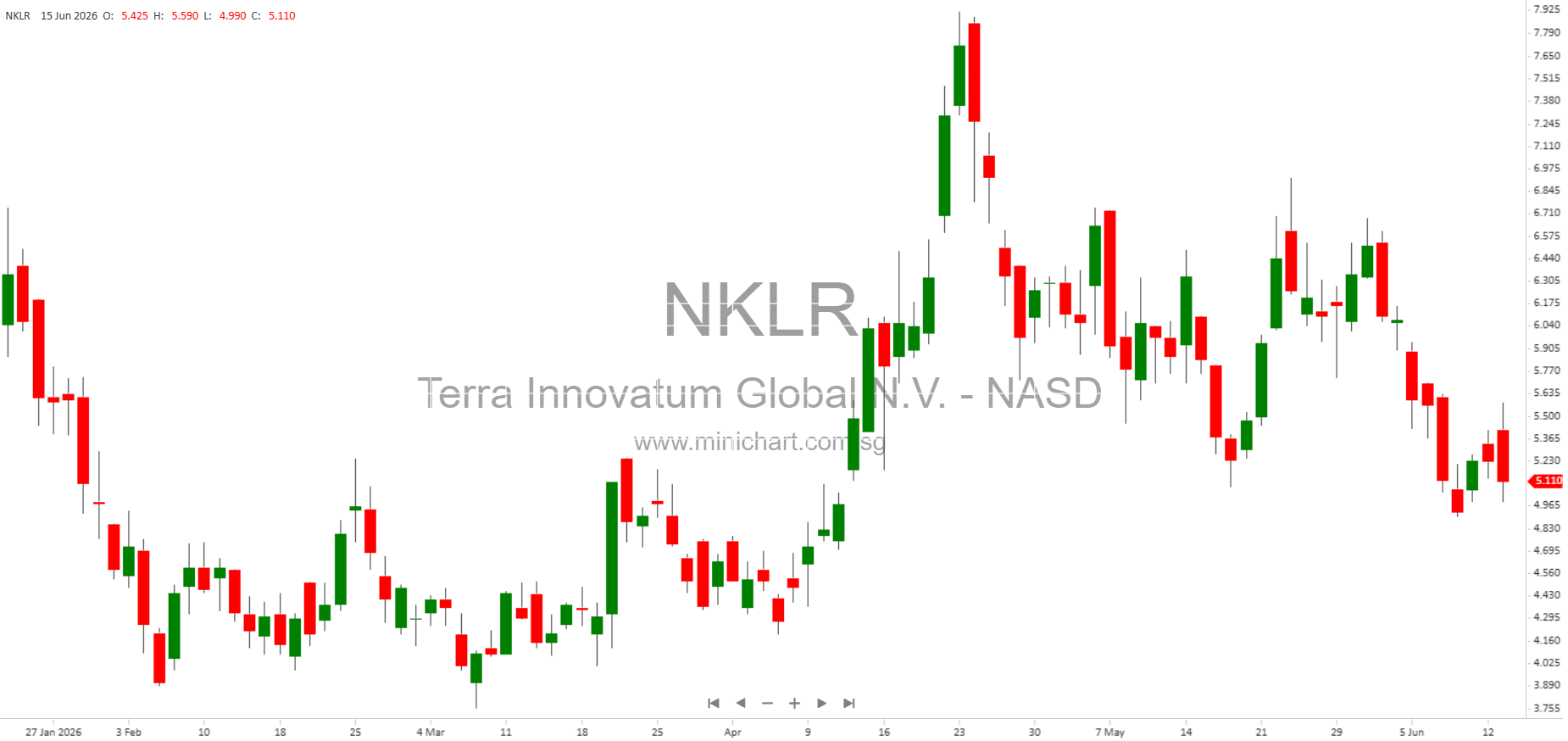
- Ordinary Shares & Listing: 110,500,908 ordinary shares outstanding as of March 31, 2026, traded on Nasdaq under the symbol “NKLR”.
- Corporate Structure: Terra is a holding company with no direct operations. It relies on funding, dividends, and distributions from its primary operating subsidiary, Terra Innovatum s.r.l. (an Italian limited liability company).
- Filing Status: Terra is a non-accelerated filer, smaller reporting company, and an emerging growth company, which means reduced reporting and audit requirements compared to larger peers.
- Internal Controls: The Company has identified multiple material weaknesses in internal control over financial reporting, including lack of experienced personnel and incomplete transition from private to public company standards. Remediation efforts are ongoing but not guaranteed to be sufficient.
- Dividends: The Company does not expect to pay dividends for the foreseeable future. Payment of any future dividends will be subject to a range of business and legal constraints, as well as the financial performance of its subsidiaries.
Risks and Uncertainties
1. Substantial Additional Funding Required
- Terra’s business is capital intensive and will require substantial additional funding to execute its business plan, including commercialization, R&D, and compliance with public company obligations.
- Any such funding may be dilutive for existing shareholders, potentially on less favorable terms depending on market conditions and company progress.
- Financing arrangements could include costlier debt or equity that introduces restrictive covenants or gives new investors preferred rights.
2. Corporate Expenditures and Inflation Risks
- Operating and corporate expenses are subject to rising costs and inflation, regulatory uncertainties, supply chain issues, and macroeconomic volatility, which could materially impact profitability and cash flows.
- Significant fluctuations in quarterly results are expected due to the start-up nature of contracts, bid/proposal costs, and the unpredictability of the emerging nuclear technology market.
3. Foreign Currency and Withholding Tax Exposure
- The Company earns much of its revenue and incurs costs in euros but reports in U.S. dollars, making it exposed to currency exchange risks and withholding taxes (up to 26% on Italian dividends unless treaty-reduced).
- Adverse FX movements or tax policy changes could reduce cash available for distribution and impact net income.
4. Competition and Technological Obsolescence
- Failure to advance MMR technology could render Terra’s products uncompetitive or obsolete, especially if alternative clean energy technologies outpace Terra’s R&D efforts.
- Significant ongoing investment will be needed to keep up with industry advancements and regulatory standards.
5. Regulatory and Compliance Pressures
- Subject to laws and regulations in multiple jurisdictions (including the U.S. and EU), with risks of more stringent requirements, higher compliance costs, and potential for enforcement actions.
- Failure to maintain effective controls could lead to financial restatements, loss of investor confidence, and a decline in share price.
- Cybersecurity risk and evolving SEC disclosure rules add new compliance burdens and potential for reputational harm or regulatory penalties.
6. Management Experience and Public Company Transition
- Executive team has limited experience managing a U.S.-listed public company, which may lead to increased compliance risks and higher operating costs.
- Expansion of staff and investments in public company infrastructure are anticipated.
7. Dividend Policy and Shareholder Value
- Dividend payments are not expected for the foreseeable future.
- Even if allowed under Dutch law and company articles, actual payments depend on subsidiary performance and available cash, which may be impacted by regulatory, financial, or market developments.
8. Potential for Share Price Volatility
- Share price and trading volume could be negatively impacted by lack of analyst coverage, negative research, or missed financial guidance.
- Significant quarterly fluctuations, unanticipated expenses, or delays in regulatory or commercial milestones could trigger rapid share price changes.
Other Potentially Price-Sensitive Factors
- Failure to Remediate Internal Control Weaknesses: If remediation is not effective, or if new weaknesses emerge, this could result in restatements, SEC action, or loss of market confidence.
- Macroeconomic and Geopolitical Risks: Ongoing global uncertainties, inflation, and supply chain disruptions may further impact operations and investor sentiment.
- Tax and Regulatory Changes: Any significant changes to tax rates, trade policies, or nuclear regulations in the U.S., Italy, or other key markets could materially affect earnings, cash flow, and valuation.
- Increased Compliance and Cybersecurity Costs: New SEC cybersecurity rules and increasing regulatory complexity will require additional investment and ongoing vigilance.
Conclusion
Terra Innovatum Global N.V. faces a complex array of operational, financial, and regulatory challenges typical of a fast-growing, capital-intensive technology company transitioning to public markets. The need for substantial new funding, ongoing internal control weaknesses, and exposure to macroeconomic and regulatory risks are all factors that could materially influence the Company’s share price.
Investors should carefully monitor developments regarding the Company’s capital raising activities, progress towards remediation of internal control weaknesses, regulatory compliance, and execution of its business plan for any signals that could affect shareholder value.