Rare Earths Americas Reports Exceptional Rare Earth Element Grades and Exploration Progress at Shiloh Project
Key Points from the Report
- Rare Earths Americas, Inc. (REA) announced significant exploration results for its Shiloh Project in Georgia, with surface samples returning up to 44.5% Total Rare Earth Oxides (TREO)—an exceptionally high grade for rare earth mineralization.
- The company received assay results from 13 rock chip surface samples across Newbill and Pipeline properties, with TREO grades ranging between 17% and 44.5%. These grades substantially exceed typical laboratory detection limits, highlighting the project’s potential for high-value rare earth extraction.
-
Drilling highlights in multiple target areas confirm laterally extensive monazite-bearing sands and rare earth enrichment across the Shiloh district. Notably:
- Lazer Creek: Drill hole 25-DPLC-015 returned 10.84% TREO from 6.1–6.77m and 3.52% TREO from 7.35–8.63m. Holes 25-DPLC-022 and 25-DPLC-023 returned ~2% TREO from surface to at least 11m deep.
- Pig Trail: Hole 26-DPPT-013 returned 6.38% TREO from 6.89m to 7.01m. Other holes ranged between 0.53% and 0.83% TREO from 1m deep to over 3m deep.
- Newbill & Pipeline: Multiple drill holes returned significant enrichment, including grades above laboratory detection limits. Examples: 26-DPPLE-021 and 26-DPPLE-043 with ~1.96% and 1.89% TREO from at least 1.5m deep.
- Assay results from Lazer Creek and Pig Trail indicate lateral continuity of mineralization, with drone-based radiometric surveys identifying additional drill targets along strike.
- 2026 Exploration Plan: REA intends to drill over 20,000 meters using sonic, direct push, and diamond methods across the Shiloh district to further define the scale, continuity, and grade distribution of rare earth mineralization. Over 9,000 meters will be drilled in the next three months.
- The company will also conduct regional geophysical surveys and systematic soil sampling to refine its geological model and generate new high-priority drill targets.
- Quality Control: ALS Geochemistry (ISO/IEC 17025:2017 accredited) and SGS laboratories are used for assays. Results exceeding detection limits are being re-analyzed with advanced methods.
- Qualified Person: All technical information reviewed by Paul Dockweiler, Senior Geologist, Geosyntec Consultants (CPG-11379/SME Registered Member).
- The Shiloh Project remains at the exploration stage; no mineral resource or reserve has yet been defined. Additional drilling, sampling, and technical studies are required before a mineral resource estimate can be made.
- Forward-Looking Statements: The company cautions that continued exploration may not result in a defined mineral resource, and results from selective samples may not represent broader mineralization.
Analysis: Potential Share Price Sensitivity for Investors
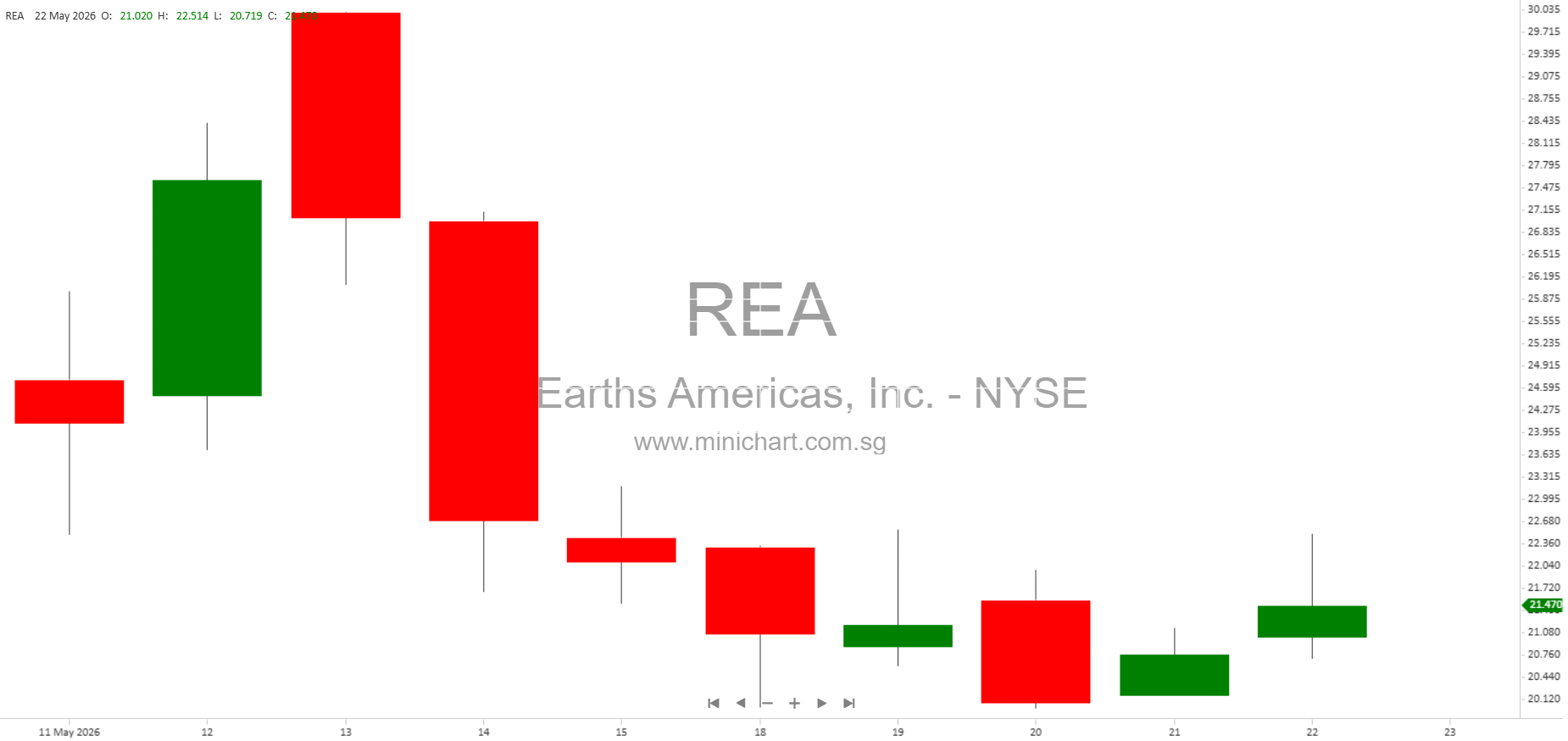
- Exceptional TREO grades (up to 44.5%) are highly unusual and suggest the possibility of world-class rare earth mineralization. If further exploration confirms district-scale continuity, this could substantially increase project value and attract investor interest.
- The planned 20,000m drilling campaign and ongoing geophysical work imply aggressive resource delineation, which may provide catalysts for share price movement as results are released.
- Technical risks remain: The project has not yet defined a mineral resource, and the high-grade samples are selective and may not represent broader zones. Investors should monitor follow-up results and resource estimates.
- Strategic significance: REA positions itself as a potential cornerstone of non-Chinese rare earth supply, aligning with U.S. industrial and national security priorities. This strategic angle may enhance long-term value and draw institutional attention.
- Laboratory limitations: Some samples exceeded conventional detection limits, requiring advanced analytical techniques. Accurate quantification of these high-grade zones is pending, and results may be subject to revision.
- Exploration risk: The company clearly notes that there is no guarantee further exploration will delineate a mineral resource.
Important Considerations for Shareholders
- Shareholders should be aware that the high-grade assay results—while promising—are preliminary and not representative of broader mineralization until further drilling and sampling confirm continuity and scale.
- Any future mineral resource estimate—especially at grades indicated—could be a major catalyst for share price appreciation. However, technical and geological risks remain.
- Ongoing exploration results will be price-sensitive; investors should monitor news releases for updates from the planned drilling and geophysical campaigns.
- Potential for rapid share price movement: If future results confirm district-scale, high-grade rare earth mineralization, REA could become a significant player in the U.S. rare earth supply chain.
- Quality assurance and laboratory re-assays: Some results are pending confirmation as the company seeks to apply more sensitive analytical methods.
Disclaimer
This article is for informational purposes only and does not constitute investment advice. The information is based on public disclosures and technical reports provided by Rare Earths Americas, Inc. All forward-looking statements and exploration results are subject to significant technical, geological, and economic risks. Investors should perform their own due diligence and seek professional financial advice before making any investment decisions. The company has not yet defined a mineral resource or reserve at the Shiloh Project, and there is no guarantee that current exploration will result in a commercially viable deposit. Results are preliminary and subject to further confirmation.