Canopy Growth Corporation 2026 Annual Report: Investor-Focused Highlights
Executive Summary
Canopy Growth Corporation (“CGC”) has released its 10-K annual report for the fiscal year ended March 31, 2026. The report contains a range of financial disclosures, segmental performance, asset impairments, capital structure changes, and operational highlights. The following article provides a comprehensive breakdown of the most critical information investors and shareholders need to know, with a focus on price-sensitive disclosures and strategic developments.
Key Points & Price-Sensitive Information
- Significant Asset Impairments:
- CGC has recorded multiple impairment charges on both intangible assets and goodwill. These impairments are linked to brands, licenses, intellectual property and subsidiaries, including BioSteel, Wana, and others. This is a negative indicator for future earnings, as it signals underperformance or strategic shifts in those business units.
- Discontinued Operations & Divestitures:
- The report details divestitures and disposal groups, including BioSteel and ThisWorks. Such divestitures are likely to impact future revenue and profitability, but may also help streamline CGC’s operations and focus on core assets.
- Share Repurchase & Capital Structure Changes:
- CGC actively managed its capital structure, including share repurchase programs, warrant issuances, and at-the-market equity programs. These actions can affect share value and dilution, and signal management’s approach to shareholder returns and capital allocation.
- There are multiple mentions of common stock, additional paid-in capital, and share-based reserve transactions. This indicates active movement in the share base, which can be price sensitive for existing shareholders.
- Debt & Convertible Instruments:
- The report references several debt instruments, including unsecured senior notes and convertible debentures maturing in January 2026. Early prepayment options and settlement of notes are also disclosed, which may impact CGC’s leverage and risk profile.
- Ongoing debt settlements, credit facilities, and convertible instruments could affect both the company’s cash flows and equity dilution.
- Equity Method Investments & Subsidiary Changes:
- CGC owns stakes in entities like BioSteel, Wana, Supreme Cannabis, TerrAscend, Acreage Holdings, and MTLCannabis Corp. Changes to these investments, including divestitures, impairments, or restructuring, are disclosed and could materially impact CGC’s consolidated financials.
- Segment Performance & Geographical Exposure:
- CGC’s report breaks down revenue and asset performance by business segment (Medical Cannabis, Adult Use Cannabis, Ancillary Cannabis, Storz & Bickel, etc.) and geography (Canada, US, Germany, UK, NL, Others). Segmental weakness or growth can affect future outlook and share price.
- There are specific disclosures of net revenue, impairments, and geographical risks, including foreign tax jurisdictions and asset exposures.
- Share-Based Compensation & Warrants:
- CGC has extensive share-based compensation arrangements, including stock options and restricted stock units. The fair value assumptions, including expected dividend rates, are disclosed. These programs can significantly impact dilution and employee motivation.
- Restatements & Adjustments:
- Numerous contexts reference restatement adjustments, indicating corrections or changes to prior period financials. Such restatements can be viewed negatively and may impact investor confidence.
- Commitments & Contingencies:
- There are references to commitments and contingencies, though some disclosures are marked as “nil.” Investors should be aware that potential legal or contractual risks exist, even if not quantified.
Detailed Analysis for Shareholders & Potential Price Impact
Asset Impairments: The company’s substantial impairment charges on goodwill and intangible assets signal a strategic reevaluation of its portfolio, particularly for brands and subsidiaries that have not performed as expected. These impairments are likely to reduce future earnings and may trigger negative sentiment among investors.
Divestitures & Discontinued Operations: The divestment of non-core assets, such as BioSteel and ThisWorks, could reduce CGC’s revenue base but may also improve cash flow and profitability if those units were loss-making. Shareholders should monitor whether these changes lead to improved margin or a leaner business model.
Capital Structure & Share Activity: CGC’s management of its equity base (including repurchases, new issuances, warrants, and reserves) is likely to impact share dilution and valuation. Shareholders need to be aware of the ongoing risk of dilution from share-based compensation and convertible instruments.
Debt Management: The settlement and restructuring of debt instruments, as well as prepayment and convertible debenture activity, will alter CGC’s leverage profile, interest expense, and potentially its credit rating. Investors should watch for the impact on free cash flow and the risk of further dilution.
Subsidiary & Investment Changes: Changes in equity method investments, particularly in cannabis-related subsidiaries and associates, can materially affect CGC’s earnings and asset values. The sale, impairment, or restructuring of these stakes should be closely monitored.
Segmental & Geographic Risks: The breakdown of performance by segment and geography highlights risk exposure, especially in regulated markets like Canada and the US. Weakness or growth in specific segments can drive the share price up or down.
Restatements: Financial restatements and adjustments to previously reported numbers may signal weaknesses in internal controls or changing estimates, potentially undermining investor confidence.
Legal & Contractual Risks: Although some commitments and contingencies are listed as “nil,” the presence of these sections indicates potential future risks that could impact financial results.
Conclusion
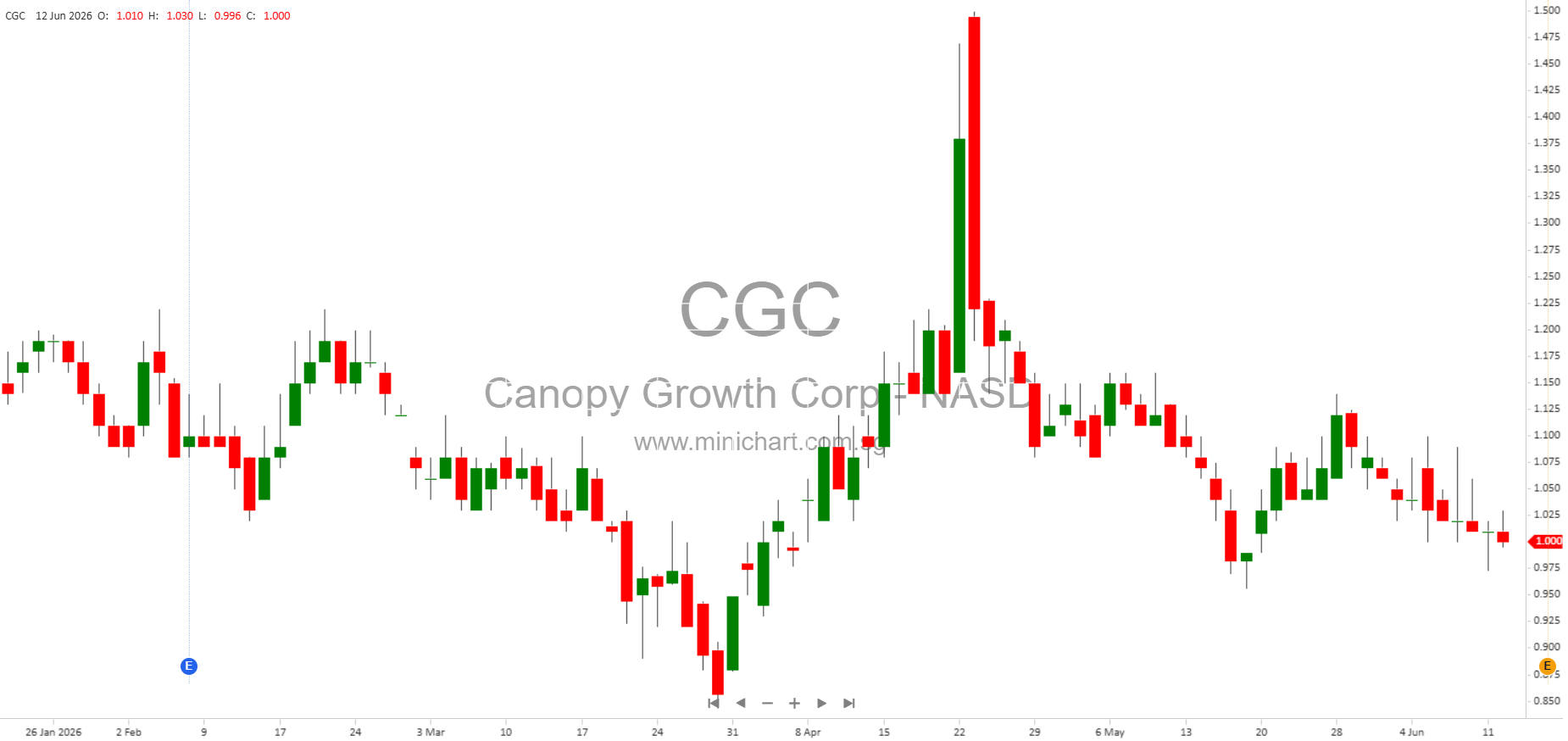
The 2026 annual report for Canopy Growth Corporation is rich with price-sensitive disclosures. The most impactful takeaways for investors include significant asset impairments, divestitures, active capital structure management, debt settlements, and ongoing restatements. These developments are likely to influence CGC’s future profitability, cash flow, and ultimately its share price. Investors should remain vigilant about dilution risk, segmental performance, and the company’s evolving investment portfolio.
These events are material and could potentially move CGC’s share price in the short and medium term, especially as the company repositions itself for a changing cannabis market and regulatory environment.
Disclaimer
This article is for informational purposes only and does not constitute financial advice or a recommendation to buy or sell any securities. Investors should conduct their own due diligence and consult with a professional advisor before making investment decisions. The information herein is based on public filings and may be subject to change or interpretation.