Dream Finders Homes, Inc. Announces Major Corporate Actions and Shareholder Votes in Latest 8-K Filing
Key Highlights from the 8-K Report
- Reincorporation and Legal Changes: Dream Finders Homes, Inc. (NYSE: DFH) has completed a reincorporation process, effective June 9, 2026. This change included significant amendments to the company’s Articles of Incorporation and Bylaws, which may affect its governance, fiscal year, and shareholder rights.
- New Indemnification Agreement: The Board of Directors approved a new form of indemnification agreement for all directors and executive officers. This agreement is intended to provide enhanced legal protection for management, reflecting changes in corporate structure and risk management policies.
- Annual Meeting Results: At the Annual Meeting held on June 8, 2026, shareholders voted on several critical proposals, including director elections, auditor ratification, executive compensation, and the conversion of Series A Preferred Stock into Class A Common Stock.
- Stock Structure and Authorization: The total number of shares authorized is now 355,000,000, consisting of 350,000,000 shares of Common Stock (289,000,000 Class A, 61,000,000 Class B) and 5,000,000 shares of Preferred Stock, including 150,000 designated Series A Convertible Preferred Stock. This structure provides flexibility for future capital raising and corporate actions.
- Conversion of Series A Preferred Stock: Shareholders approved the potential conversion of Series A Preferred Stock into Class A Common Stock, in accordance with NYSE rules. This conversion could increase the number of outstanding Class A shares, potentially affecting voting power and dilution.
- Legal Opinions Filed: Legal opinions from Foley & Lardner LLP were filed as exhibits to the 8-K, supporting the reincorporation and registration statements. These filings are important for compliance and may impact investor confidence.
Details of Shareholder Votes and Corporate Actions
Proposal 1 – Election of Directors
Shareholders voted on the election of directors, a routine but significant event affecting the company’s leadership and long-term strategy.
Proposal 2 – Ratification of Independent Auditor
KPMG LLP was ratified as the Company’s independent registered public accounting firm for the fiscal year ending December 31, 2026. This vote signals continued trust in KPMG’s oversight and financial reporting.
Proposal 3 – Advisory Vote on Executive Compensation
The non-binding advisory resolution on executive compensation for fiscal year 2025 was approved. Investors monitor these votes for insight into the board’s approach to compensation and potential alignment with shareholder interests.
Proposal 5 – Series A Preferred Stock Conversion
The conversion of Series A Preferred Stock into Class A Common Stock was approved. This change is significant because it can:
- Increase the float of Class A shares, potentially impacting liquidity and share price.
- Alter voting power dynamics and dilute existing shareholders.
- Comply with NYSE rules, which may be viewed positively from a governance perspective.
Amendments to Articles of Incorporation and Bylaws
The amended Articles clarify the rights, privileges, and restrictions of each class of stock, including dividend rights, liquidation preferences, and conversion mechanisms. Notably:
- Class B Common Stock holders can convert their shares to Class A at any time, one-for-one.
- If either class of common stock is subdivided or combined, the other must be adjusted proportionally.
- Preferred Stock can be converted, redeemed, or repurchased under specific conditions, including change-of-control events.
- Detailed procedures for certificates, payment methods, and transfer restrictions are outlined.
These changes modernize the company’s charter and may provide flexibility for future transactions, potentially impacting share valuation.
Shareholder and Market Impact
- Potential Dilution: The approved conversion of Series A Preferred Stock into Class A Common Stock is likely to increase the number of outstanding shares, which could dilute existing shareholders and affect the stock price.
- Governance Changes: Amendments to the Articles and Bylaws, and the new indemnification agreements, may enhance management stability and reduce litigation risk, possibly viewed favorably by the market.
- Compliance and Market Confidence: Legal opinions and compliance with NYSE rules signal strong governance, which may boost investor confidence.
- Complex Capital Structure: The new structure, including multiple classes of common and preferred stock, increases flexibility but may introduce complexity for investors analyzing voting power, dilution, and dividend policies.
Important Considerations for Investors
- Investors should closely monitor the impact of stock conversions on dilution and voting power.
- Shareholders may experience changes in dividend and liquidation preferences due to the new structure.
- Legal and governance changes could affect risk profile and management actions.
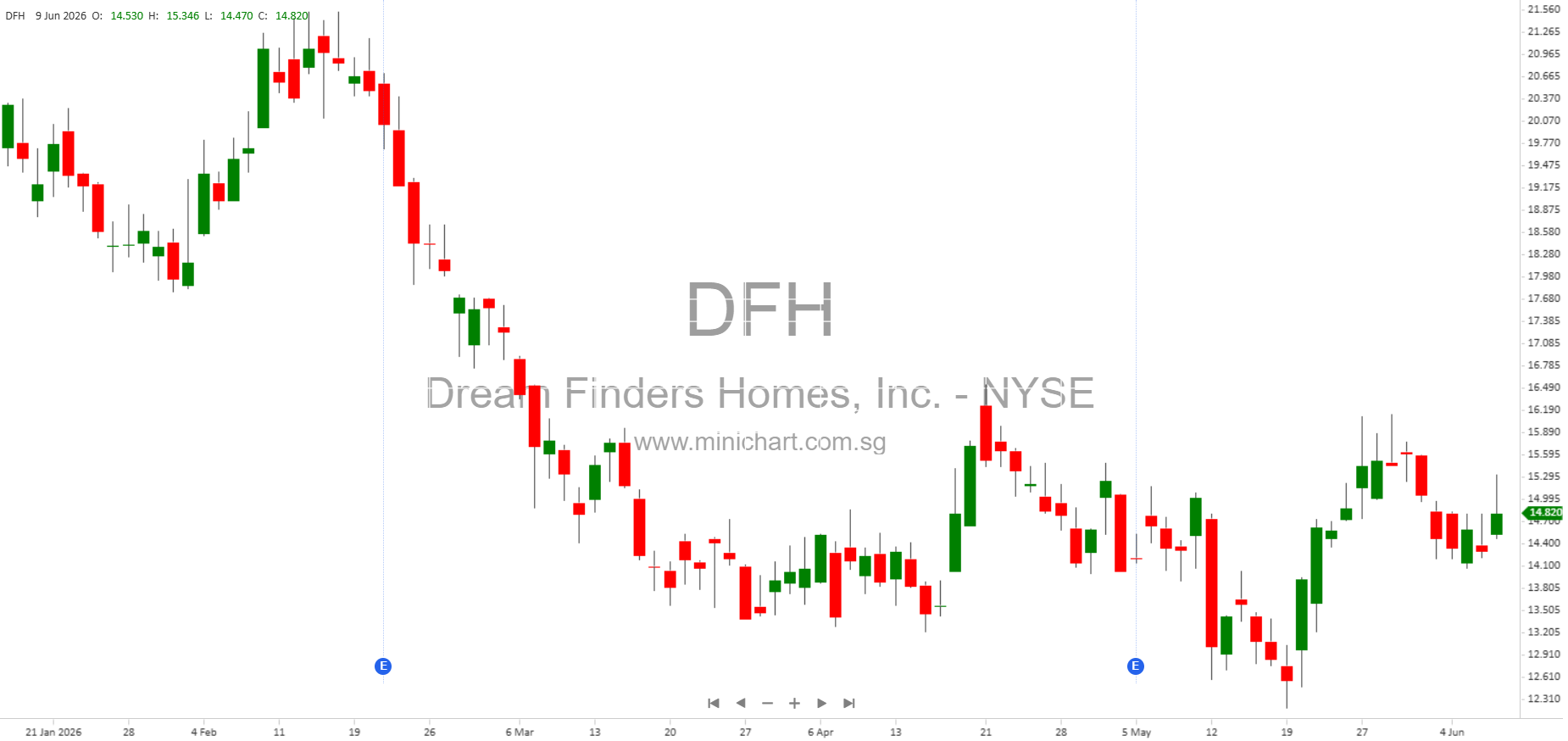
- The reincorporation, conversion, and amendments are material events that could move the share price, especially as they alter fundamental shareholder rights and capital structure.
Disclaimer
This article is for informational purposes only and does not constitute investment advice. Investors should consult their financial advisors and review official filings before making any investment decisions. Information is based on Dream Finders Homes, Inc.’s latest Form 8-K and related exhibits. The author does not hold any position in DFH at the time of writing.