CME Group Inc. Shareholder Vote Results: Key Proposals Fail, Governance Structure Remains Unchanged
CME Group Inc. (NASDAQ: CME) has released the results of its reconvened 2026 Annual Meeting of Shareholders, which was adjourned and reconvened due to a lack of quorum among certain shareholder classes. The meeting addressed several significant governance proposals that had the potential to reshape the company’s board structure and corporate charter. The outcome of these votes could have substantial implications for the company’s future governance and, ultimately, its share value.
Key Developments and Voting Results
-
Critical Governance Proposals Defeated:
-
Proposal to Eliminate Class B-1’s Right to Elect Directors (Item 4):
This proposal, which would have removed the right of Class B-1 shareholders to elect three directors, did not pass. Approval required both a majority of Class B-1 shares and a majority of Class A and all Class B shareholders voting together. The failure to pass means Class B-1 shareholders retain their special board representation. -
Proposal to Eliminate Class B-2’s Right to Elect Directors (Item 5):
Similarly, the proposal to eliminate the right of Class B-2 shareholders to elect two directors did not pass, preserving this unique voting power for the class. -
Proposal to Eliminate Class B-3’s Right to Elect a Director (Item 6):
This proposal was not presented for approval due to a lack of quorum among Class B-3 shareholders. -
Amendment to Certificate of Incorporation (Item 7):
While shareholders approved an amendment to the company’s certificate of incorporation, the amendment will not be filed because its effectiveness was contingent upon the passage of Items 4, 5, and 6.
-
Proposal to Eliminate Class B-1’s Right to Elect Directors (Item 4):
-
Director Elections:
- All Class B directors standing for re-election were re-elected to serve until the 2027 annual meeting.
-
Quorum and Voting Breakdown:
-
At the meeting’s record date (March 16, 2026), CME had 362,808,081 shares of Class A and Class B common stock outstanding. The reconvened meeting on June 9, 2026, saw the following:
- Class B-3 shares did not reach the required quorum (33.3% of outstanding shares per class needed), so certain items were not presented to this class.
- Item 4 (Class B-1): 174 shares voted FOR, 80.27% of vote; 2,439,875 shares AGAINST; 1,503,078 ABSTAIN.
- Item 5 (Class B-2): 80.27% FOR; 2,461,395 AGAINST; 1,505,475 ABSTAIN.
- Item 7 (Amendment): 291,324,525 shares FOR (80.29%); but the amendment cannot be enacted as Items 4, 5, and 6 failed or were not voted.
-
At the meeting’s record date (March 16, 2026), CME had 362,808,081 shares of Class A and Class B common stock outstanding. The reconvened meeting on June 9, 2026, saw the following:
What This Means for Shareholders
- Preservation of Class B Voting Rights: The failure to pass these proposals means Class B shareholders retain their unique rights to elect directors. This preserves a governance structure that gives legacy and member shareholders (Class B) significant influence relative to their economic stake—a structure that has historically been a point of contention among investors and governance advocates.
- No Change to Board Structure: The board composition and special rights for Class B-1, B-2, and B-3 shareholders remain intact. This outcome may be viewed as a negative by those seeking more modern, “one share, one vote” governance, but reassuring to existing Class B holders protecting their board influence.
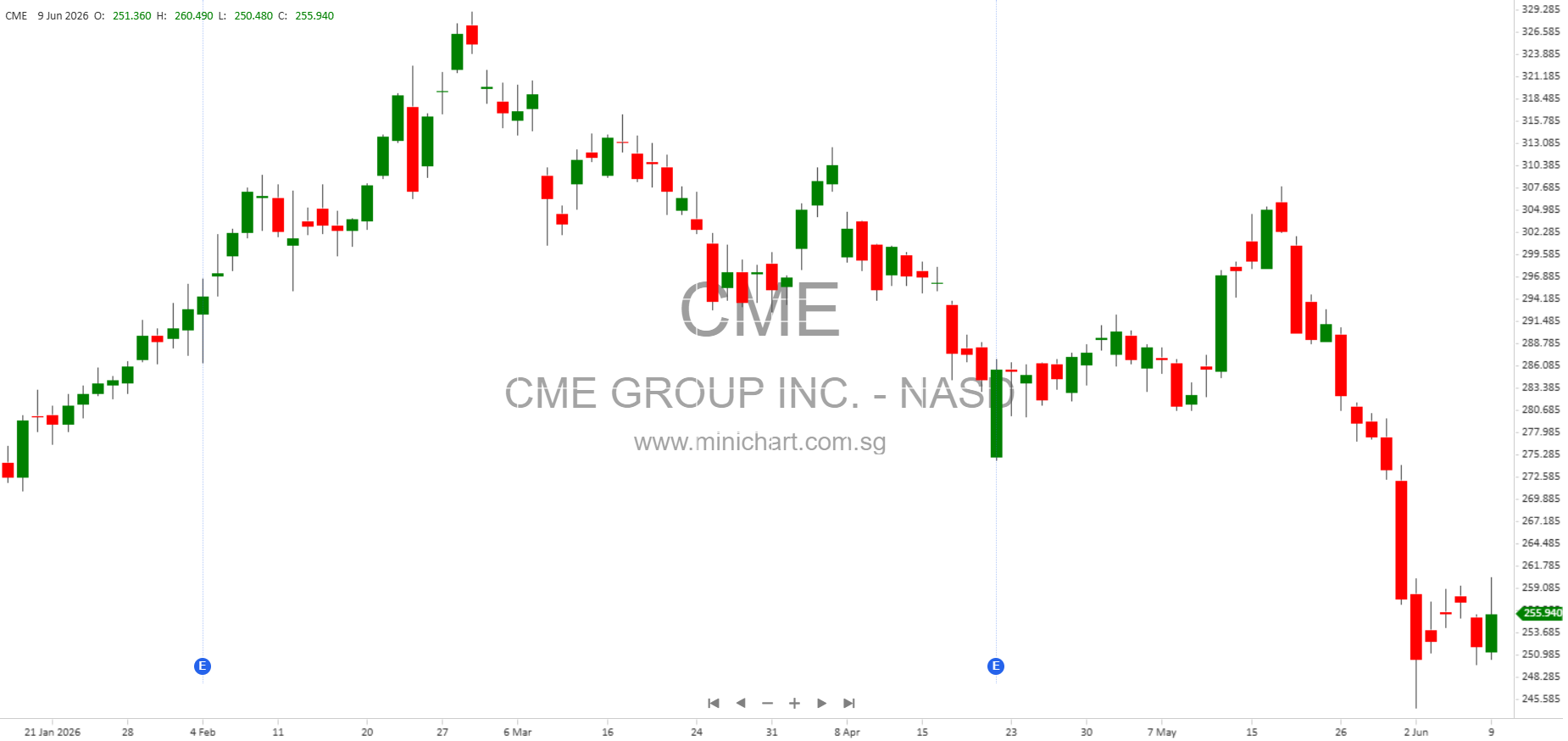
- Potential for Share Price Impact: The maintenance of the status quo—especially after an attempt at governance reform—may influence institutional investor sentiment. Some investors could interpret the failed reforms as a sign that progressive governance changes are unlikely in the near future, potentially affecting perceptions of company agility, risk profile, or attractiveness for investment.
- Amendment to Charter Blocked: The approved amendment depended on the success of the Class B director proposals, so no amendments to the certificate of incorporation will occur.
Other Noteworthy Details
- No Written, Soliciting, or Pre-commencement Communications: The company confirmed that this filing does not include any communications under SEC Rules 425, 14a-12, 14d-2(b), or 13e-4(c).
- Emerging Growth Company Status: CME Group is not an emerging growth company.
- Form 8-K Filing: This report was filed on June 10, 2026, with a period of report ending June 9, 2026.
Bottom Line for Investors
This outcome is significant and potentially price-sensitive. The failure to enact governance reforms means CME Group will continue with a board structure that some investors may view as outdated or as a barrier to aligning voting power with economic interest. This could affect investor confidence, especially among those with an eye on modern corporate governance standards or activist investment strategies.
Shareholders—especially those in Class A—should monitor institutional reactions, as ongoing governance debates could influence future proxy contests, board composition, and even CME’s valuation multiples.
Disclaimer: This article is for informational purposes only and does not constitute investment advice. Investors should perform their own due diligence and consult with a qualified financial advisor before making investment decisions. The information herein is based on official CME Group Inc. SEC filings and is subject to change without notice.