Super Micro Computer, Inc. Risk Factors Update – Key Insights for Investors (June 2026)
Key Points
- Super Micro Computer, Inc. (“Supermicro”) faces significant risks due to complex international relationships, ongoing legal investigations, and rapidly changing export control regulations, especially those affecting AI and high-performance computing.
- There are ongoing legal and regulatory proceedings, including government investigations, that may have material impacts on Supermicro’s operations and share price.
- Company operations are exposed to risks from related-party transactions, possible conflicts of interest, and reputational harm arising from negative publicity and government actions.
- Supermicro’s supply chain and ability to serve demand are at risk due to new and evolving U.S. and international export controls, particularly regarding AI-related products and technologies.
- Ongoing and future restrictions could disproportionately affect Supermicro’s competitive position, especially against rivals not subject to similar controls.
Detailed Analysis for Investors
1. Legal and Regulatory Risks
Supermicro is currently subject to a range of lawsuits, government investigations, and regulatory inquiries. These include subpoenas from the SEC concerning customer relationships and internal controls, as well as grand jury subpoenas from various U.S. Attorney’s Offices related to alleged export control violations connected to former employees. While the company is not currently a named target, the outcomes of these investigations could result in substantial penalties, legal costs, and operational changes.
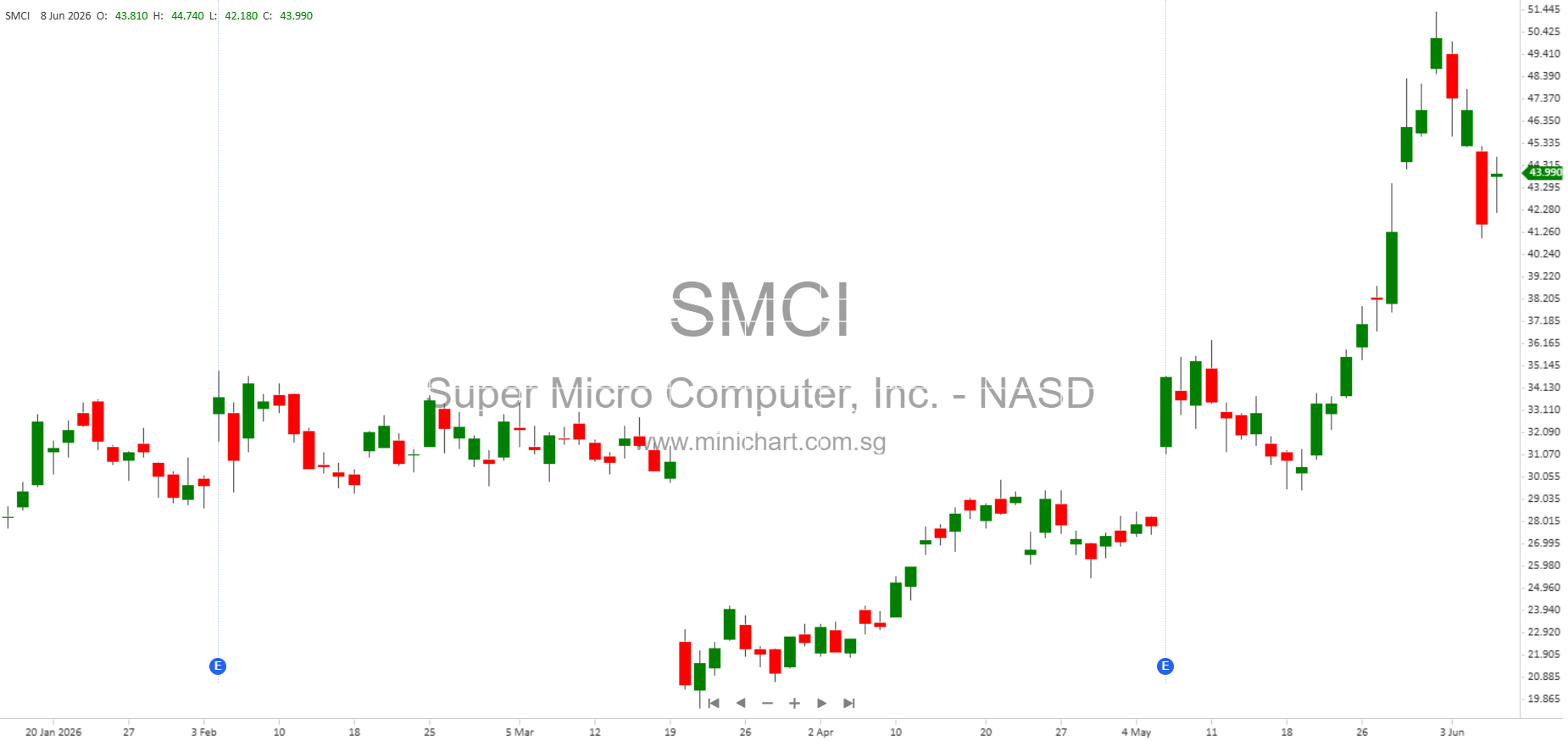
Notably, a March 2026 indictment of three individuals formerly associated with Supermicro for conspiracy to violate export controls is causing significant volatility and declines in the company’s share price. Negative publicity from these events, as well as a prior short-seller report alleging accounting manipulation and self-dealing, have already damaged Supermicro’s reputation and could continue to pressure the stock.
2. Related-Party Transactions and Potential Conflicts of Interest
Supermicro relies on two related-party suppliers, Ablecom and Compuware, for contract manufacturing and distribution. Significant familial relationships exist among the leadership of Supermicro, Ablecom, and Compuware, raising risks of potential conflicts of interest. The company may not negotiate with these parties as aggressively as with unrelated vendors, potentially resulting in less favorable commercial terms.
The company’s purchases from Ablecom and Compuware accounted for a material portion of its cost of sales (3.3% in FY 2025, 4.3% in FY 2024, and 6.6% in FY 2023). Changes in ownership or strategy at either Ablecom or Compuware, or adverse events impacting these related parties, could disrupt Supermicro’s supply chain and negatively affect financial results.
Additionally, a personal loan of approximately \$12.9 million was made in 2018 to CEO Charles Liang by the spouse of Ablecom’s CEO, with an outstanding balance of approximately \$16.8 million as of June 2025. This, along with Ablecom and Compuware’s investment in Leadtek (an authorized reseller), further entangles these business relationships and increases risk exposure.
3. Risks from Export Controls and Trade Sanctions
Supermicro is highly exposed to evolving U.S. and global export control regulations, particularly those targeting AI, GPUs, and high-performance computing. The company has received multiple subpoenas and information requests from the U.S. Commerce Department’s Bureau of Industry and Security (BIS) and the Office of Export Enforcement (OEE) related to certain customers and potential export violations.
New and expanded export control restrictions have been imposed on products containing advanced GPUs (including NVIDIA A100 and H100 chips) and other AI-related technologies, impacting not only China but also countries in the Middle East and potentially new geographies. These rules may cap the number of advanced products Supermicro can sell to each customer or country, create a competitive disadvantage, and delay or prevent sales due to licensing complexities.
There is a risk that future changes in export controls could further restrict Supermicro’s access to global markets, force operational transitions out of certain geographies, or lead to excess inventory and supply chain disruption. Any inability to comply, or violation by channel partners or customers, could result in government penalties, suspension or denial of export privileges, and further reputational harm.
4. Geopolitical and Supply Chain Risks
Supermicro’s dependence on overseas partners, especially in Taiwan, exposes the company to risks from geopolitical tensions, particularly between the U.S. and China. New restrictions impacting the company’s ability to source components or services from Taiwan would materially harm business operations and financial performance.
The company also faces risks from the increasing use of economic sanctions and regulatory scrutiny of AI technologies, which could further limit demand for Supermicro’s products and services, lead to excess supply, and increase compliance burdens.
Key Issues for Shareholders and Potential Price-Sensitive Developments
- Share price volatility: Ongoing legal investigations and negative publicity have already impacted Supermicro’s share price and could continue to do so.
- Potential for material penalties or operational changes: Outcomes from SEC, DOJ, and BIS investigations could include fines, penalties, or forced changes in business practices.
- Export controls on AI and GPUs: New and expanding restrictions could limit Supermicro’s access to key markets (especially China and the Middle East), create competitive disadvantages, and negatively affect revenues and margins.
- Related-party risks: Complex familial and business relationships with Ablecom and Compuware introduce potential conflicts of interest and supply chain vulnerabilities.
- Supply chain exposure: Any disruption in overseas supply, especially from Taiwan, could significantly impact performance.
- Further regulatory changes: The company warns that further changes to export rules, including “deemed export” restrictions, are likely and may have disproportionate negative impacts on Supermicro versus competitors.
Conclusion
Supermicro is navigating a challenging environment characterized by heightened regulatory scrutiny, legal risks, and evolving export controls targeting AI and high-performance computing. Investors should be aware that these factors pose significant risks to the company’s operations, reputation, and share value. The potential for further legal or regulatory action, negative publicity, and supply chain disruptions are material threats that could move the share price substantially in either direction, depending on outcomes in the coming months.
Disclaimer: This article is for informational purposes only and does not constitute investment advice. Investors should conduct their own due diligence and consult their financial advisor before making investment decisions. The content herein is based on information from Super Micro Computer, Inc.’s risk factors disclosure as of June 2026 and may not reflect subsequent developments.