Autolus Therapeutics plc Annual Report 2025: Key Highlights and Shareholder Insights
Introduction
Autolus Therapeutics plc, a clinical-stage biopharmaceutical company specializing in the development and commercialization of next-generation programmed T cell therapies for the treatment of cancer and autoimmune diseases, has published its Annual Report and Financial Statements for the year ended 31 December 2025.
Key Financial Highlights and Outlook
- Product Revenues: Autolus transitioned to early commercial-stage status following the launch of its lead product, AUCATZYL. For 2025, the company generated net product revenues of £56.0 million from sales of AUCATZYL in the United States.
- Liquidity Position: As of 31 December 2025, the Group reported cash and cash equivalents of £77.4 million (down from £181.4 million in 2024) and marketable securities of £146.1 million (down from £287.7 million in 2024). The company’s cash runway is projected to extend into October 2027 under its base case scenario, but only to June 2027 in a stress test scenario, highlighting the need for additional funding within the next two years.
- Net Losses: Autolus continues to incur significant losses, with a net loss of £222.7 million for the year ended 31 December 2025 and accumulated retained losses of £842.0 million.
- Going Concern Warning: The company explicitly warns that it will require substantial additional funding within the going concern assessment period to maintain liquidity and pursue its growth strategy. If it fails to secure such funding, significant doubt is cast on its ability to continue as a going concern—a material uncertainty that shareholders must be aware of.
Strategic & Operational Highlights
- AUCATZYL Launch: The commercial launch of AUCATZYL in both the US and UK represents a pivotal milestone. The company is focused on expanding sales and commercializing additional pipeline candidates.
- Pipeline Development: Continued investment in R&D, including the LUMINA study (obe-cel in severe, refractory SLE and active lupus nephritis) and BOBCAT study (obe-cel in refractory progressive multiple sclerosis), remains a strategic priority.
- Operational Restructuring: On 29 April 2026, the Board approved restructuring actions to improve operational efficiency and reduce operating expenses. This includes cost reductions and efficiency programs announced in April 2026, which could impact the company’s cost base and future profitability.
Principal Risks and Uncertainties
- The company is still an early commercial-stage biopharma with a history of losses and expects to continue incurring losses for the foreseeable future.
- Market acceptance risks for AUCATZYL and other pipeline candidates are significant—if uptake is below expectations, revenue and cash flows will be adversely affected.
- The ability to secure further funding (via equity, debt, partnerships, or other arrangements) is critical. There is no guarantee that such funding will be available or on favorable terms.
- General market conditions, macroeconomic trends, regulatory risks, and data security remain material threats.
Corporate Governance and Remuneration
- The Board and Compensation Committee have implemented a revised Remuneration Policy, emphasizing pay-for-performance, shareholding requirements, and alignment with US and UK best practices.
- CEO and senior executive compensation is heavily weighted towards performance-based bonuses and equity incentives, with a requirement to build significant shareholdings.
- Non-executive directors’ compensation has been benchmarked and increased to remain competitive and attract talent, especially in the US and European markets.
Environmental, Social & Governance (ESG) Initiatives
- A reduction in the company’s carbon emissions per employee was reported, and the Board is considering the introduction of a formal sustainability strategy.
- Continued focus on employee engagement, workplace inclusion (including for disabled persons), and a zero-tolerance anti-bribery policy.
Other Noteworthy Developments
- Restructuring and Cost Management: The company is actively managing costs and announced a restructuring in April 2026 to further extend its cash runway and improve operational efficiency. This could involve workforce reductions or other expense management initiatives.
- No Dividend: The Board does not recommend a dividend for 2025 and expects to reinvest all available resources into pipeline and commercial growth.
- Shareholder Engagement: The company maintains active dialogue with shareholders and encourages feedback on strategy, governance, and remuneration.
Potential Share Price Impact and Shareholder Considerations
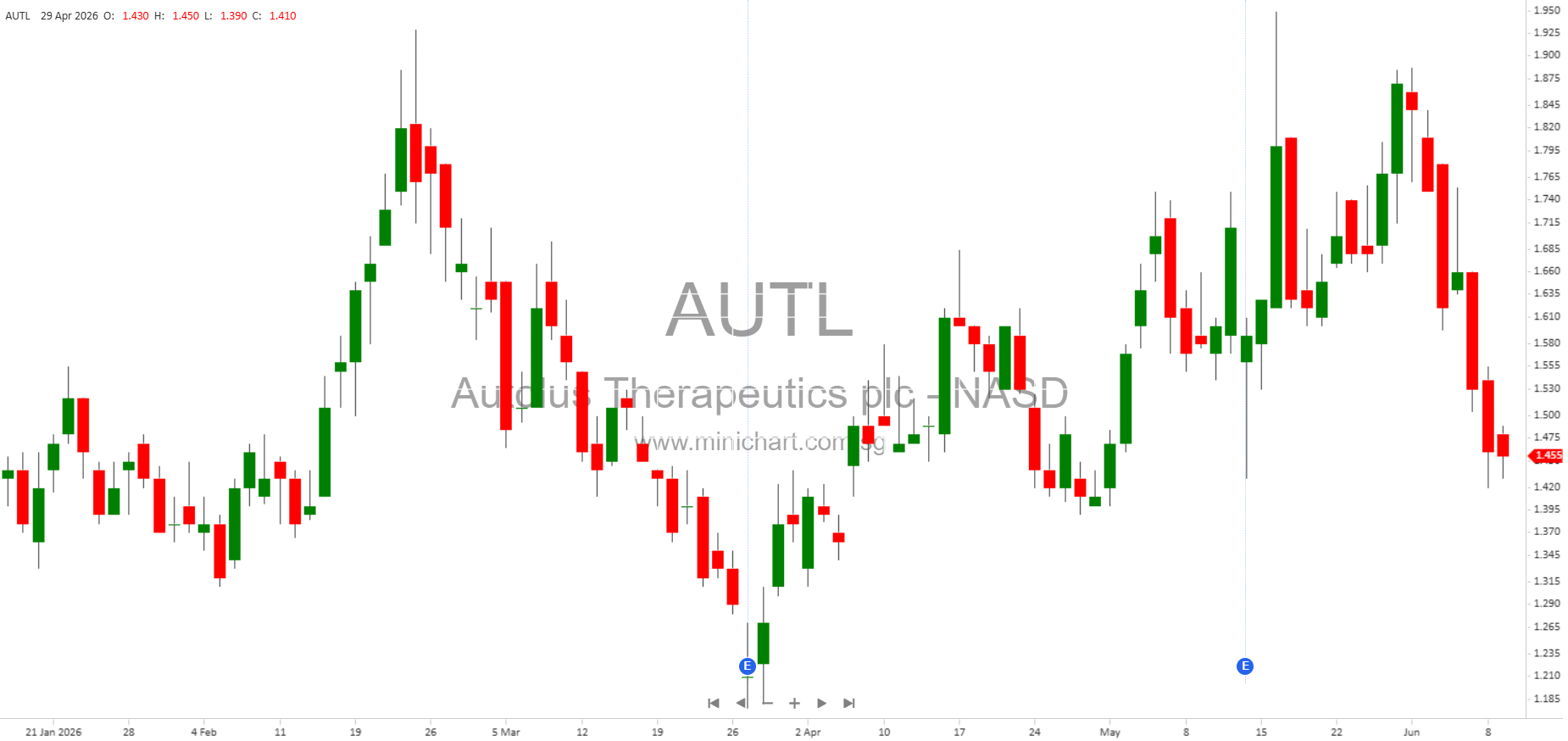
Material uncertainties around funding and going concern status are highly price sensitive. The explicit disclosure that Autolus will require additional funding in the next 12–24 months, coupled with the risk that it may not be able to raise capital on favorable terms—or at all—could significantly impact share price performance. Failure to secure timely funding could force the company to scale back or discontinue development and commercialization of one or more drug candidates, or delay potential acquisitions and strategic initiatives. Shareholders should monitor funding developments closely.
Additionally, the success—or lack thereof—of AUCATZYL’s commercial rollout and market uptake will be a key value driver. Any positive or negative deviations from sales and revenue guidance could move the share price materially.
Finally, the recent operational restructuring and cost management actions indicate proactive management but also underscore the company’s need to preserve cash and manage liquidity.
Conclusion
This Annual Report contains several highly material disclosures for investors. The going concern warning, cash runway limitations, dependency on further funding, and the outcome of the commercial launch of AUCATZYL are all critical factors that could significantly impact share value in the near term.
Disclaimer: This article is for informational purposes only and does not constitute investment advice. Investors should conduct their own research or consult a financial advisor before making investment decisions.