Cullinan Therapeutics Unveils Promising Clinical Data for CLN-978 at EULAR 2026: Key Developments for Investors
Summary of Key Highlights
- Initial Phase 1 clinical data for CLN-978, a CD19xCD3 T cell engager, presented at EULAR 2026, demonstrates clinical benefit—including remissions—in patients with systemic lupus erythematosus (SLE) and rheumatoid arthritis (RA).
- Deep, dose-dependent B cell depletion observed in both peripheral blood and tissue, with a favorable safety profile up to 30 μg in single and multi-dose regimens.
- First clinical data for velinotamig (BCMAxCD3 T cell engager) and multi-dose regimen data for CLN-978 will be presented at Cullinan’s Immunology Day on June 10, 2026.
- Ongoing global Phase 1 trials (OUTRACE SLE and RA) continue to recruit, targeting patients with high unmet need who have failed multiple prior therapies.
Detailed Report for Investors
Clinical Data and Its Implications
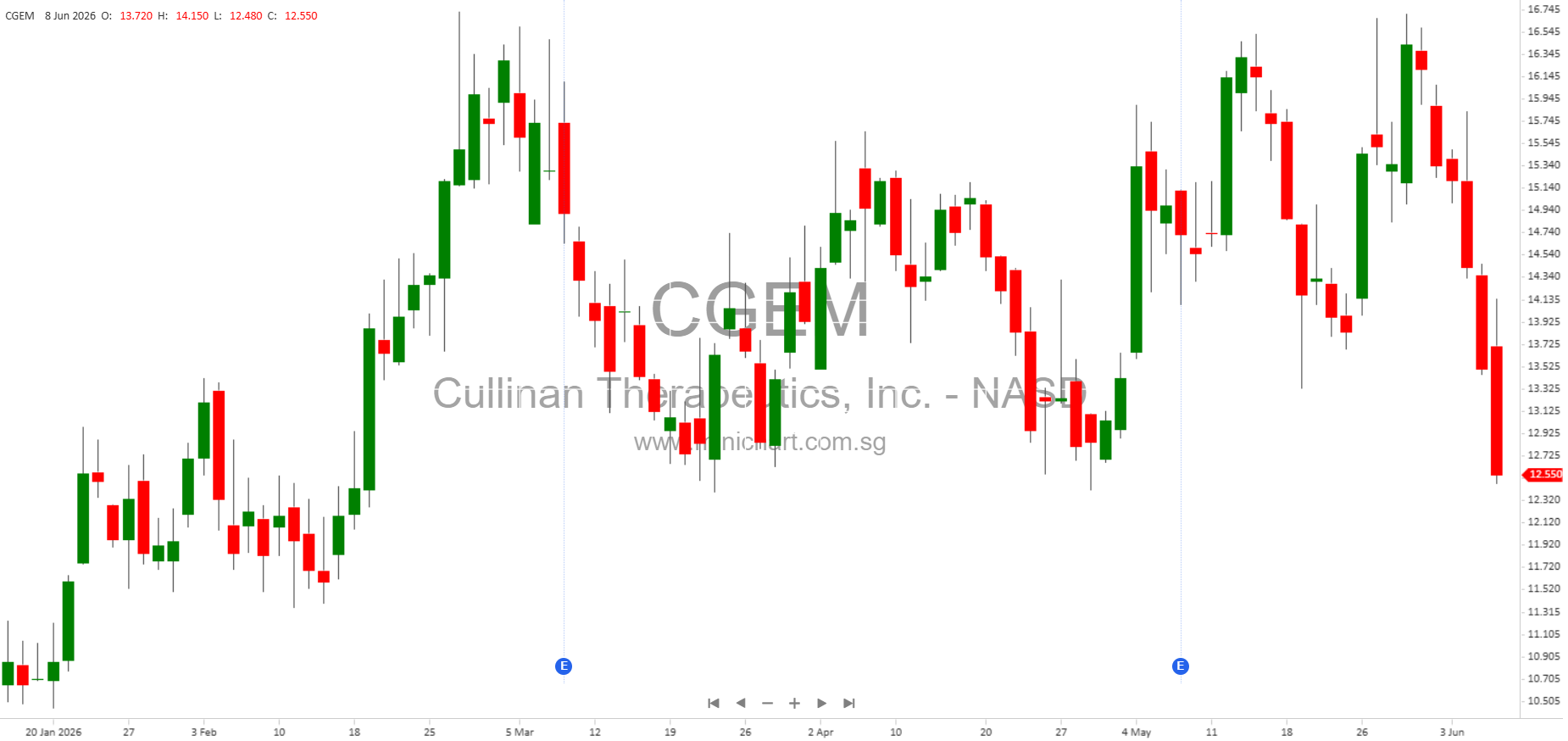
Cullinan Therapeutics (Nasdaq: CGEM) presented much-anticipated initial clinical data for its lead autoimmune T cell engager program, CLN-978, at the prestigious EULAR 2026 Congress. The data stem from two ongoing global Phase 1 studies—OUTRACE SLE and OUTRACE RA—focused on difficult-to-treat autoimmune populations.
- Clinical Benefit and Remissions: Following a single target dose of CLN-978, patients with refractory SLE and hard-to-treat RA experienced meaningful clinical benefit, including remissions. In SLE, 71% of evaluable patients (10 out of 14) with ≥4 weeks follow-up achieved a ≥4-point reduction in hSLEDAI, and 5 achieved DORIS remission. In RA, disease activity improved in 71% (5 of 7), with one patient achieving DAS28-ESR remission.
- Biomarker Improvements: Nearly all relevant laboratory markers (anti-dsDNA, UPCR, C3, C4) improved in SLE patients with abnormal baselines. In RA, CLN-978 lowered autoantibody levels without affecting protective vaccine titers.
- B Cell Depletion: Profound, dose-dependent B cell depletion was demonstrated. In SLE, 82% (14 of 17) of patients had >80% B cell reduction, with 50% (7 of 14) reaching levels below quantification at doses ≥20 μg. In RA, 67% (4 of 6) at doses ≥20 μg reached below quantification, with depletion also confirmed in lymph node and synovial tissue.
- Safety Profile: CLN-978 was well tolerated at all tested doses (10, 20, 30 μg), including multi-dose regimens. Most cytokine release syndrome (CRS) events were mild (Grade 1) and occurred after the initial 10 μg dose. Only one case of Grade 3 CRS was seen at the 45 μg dose, leading to discontinuation of this higher dose cohort and plans for step-up dosing. Importantly, no immune effector cell–associated neurotoxicity syndrome (ICANS) was observed.
Cohort Breakdown and Patient Population
As of May 15, 2026, 29 patients had been treated across various dose levels in the OUTRACE trials (SLE n=18, RA n=11). These patients were heavily pretreated, reflecting a high unmet need and the refractory nature of their disease.
| Cohort | SLE (n=18) | RA (n=11) |
|---|---|---|
| 1 (D1: 10 μg) | 3 | 1 |
| 2 (D1: 10 μg, D8: 20 μg) | 7 | 3 |
| 3 (D1: 10 μg, D8: 30 μg) | 7 | 3 |
| 4 (D1: 10 μg, D8: 45 μg) | 1 | – |
| 5 (D1: 10 μg, D8/15/22: 20 μg) | – | 4 |
These data support potential broad utility in autoimmune diseases where B cell depletion is therapeutic, including SLE, RA, and potentially Sjögren’s disease.
Why This Is Potentially Price Sensitive
- First Demonstration of Remission in Refractory Autoimmune Diseases: Clinical benefit, including remission, in patients with SLE and RA with a single dose of a subcutaneously delivered, off-the-shelf T cell engager is highly significant.
- Strong Safety Profile: The absence of severe neurotoxicity and manageable CRS (with mitigation strategies) positions CLN-978 favorably among next-generation autoimmune therapeutics.
- Pipeline and Platform Expansion: Further data for CLN-978 (multi-dose regimens, additional tissue depletion data) and initial human data for velinotamig (BCMAxCD3) are expected at the upcoming Immunology Day (June 10, 2026), which could offer further upside or derisking for investors.
- Unmet Clinical Need and Market Size: Both SLE and RA are large markets with high unmet need, especially for disease-modifying, remission-inducing therapies. Successful development could lead to significant commercial opportunity and re-rating of CGEM shares.
- Potential for Outpatient, Community-Based Use: The subcutaneous route and favorable safety profile may allow administration outside specialized centers, widening market access and adoption.
Upcoming Catalysts & Next Steps
- Immunology Day (June 10, 2026): Investors should track new data updates, including the first RA multi-dose cohort results and initial velinotamig data.
- Ongoing Recruitment and Development: Both OUTRACE SLE and RA trials are actively enrolling, with continued data readouts expected as the programs advance.
- Potential Platform Expansion: Success in SLE and RA may support broader application of this T cell engager platform to other autoimmune conditions.
About CLN-978 and the OUTRACE Program
CLN-978 is a novel, highly potent CD19xCD3 bispecific T cell engager, engineered for very high affinity to CD19 and improved tissue penetration, with the added benefit of extended half-life via serum albumin binding. Its small size and subcutaneous delivery set it apart from typical large-molecule therapies. CLN-978 is wholly owned by Cullinan and is positioned as a potential first- or best-in-class therapy for several autoimmune diseases.
The OUTRACE RA and SLE studies are global Phase 1 trials evaluating safety, pharmacodynamics, and efficacy in patients with advanced, treatment-refractory disease. Key endpoints include well-established disease activity scores, biomarker changes, and tissue-level B cell depletion.
Risk Factors & Forward-Looking Statements
- Data are interim from ongoing Phase 1 studies and may change with further enrollment and follow-up. There is no guarantee that early efficacy or safety signals will translate into later-stage success or regulatory approval.
- Risks include clinical, regulatory, manufacturing, and competitive uncertainties as detailed in Cullinan’s regulatory filings.
- Investors should closely monitor future data releases and regulatory milestones for further validation or risk to the program.
Conclusion
The initial clinical results for CLN-978 presented at EULAR 2026 represent a potentially transformative moment for Cullinan Therapeutics. The evidence of remission and robust B cell depletion in refractory SLE and RA, coupled with a favorable safety profile and convenient administration, mark CLN-978 as one of the most promising assets in the autoimmune T cell engager space. Investors should remain vigilant for the upcoming June 10 Immunology Day event, which will provide further clarity on the program’s trajectory and expansion potential.
Disclaimer: This article is for informational purposes only and does not constitute investment advice. All statements regarding clinical efficacy, safety, and potential market impact are based on interim clinical trial data and management commentary. Actual results may differ materially due to risks and uncertainties described in Cullinan Therapeutics’ official filings. Investors are advised to perform their own due diligence and consult with a qualified financial advisor before making investment decisions.