PennyMac Financial Services, Inc. Announces Results of 2026 Annual Meeting of Stockholders
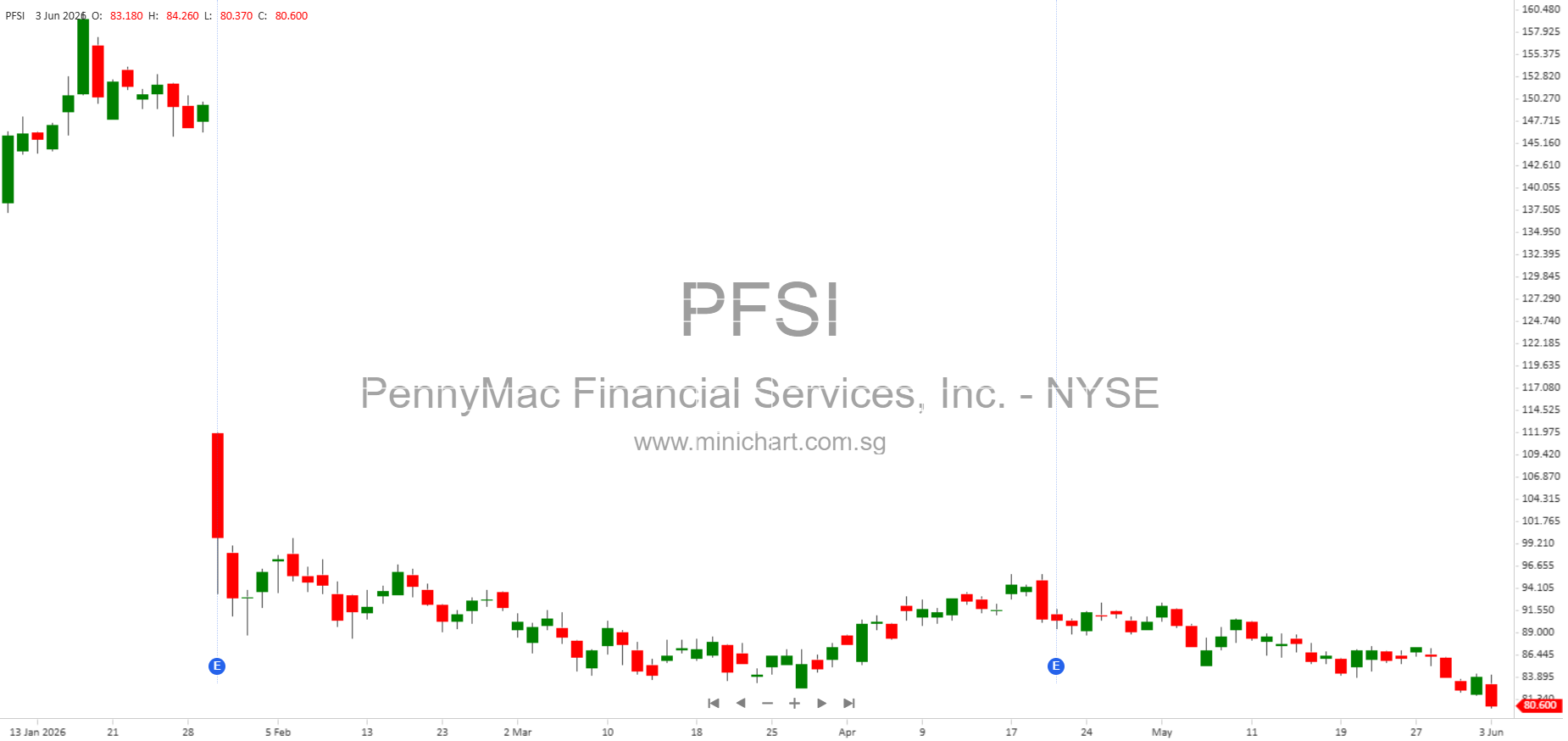
PennyMac Financial Services, Inc. (NYSE: PFSI) has released the voting results from its Annual Meeting of Stockholders held on June 3, 2026. This event is significant for shareholders as it determines the company’s governance structure, choice of independent auditors, and executive compensation—factors that can influence strategic direction and potentially impact share value.
Key Highlights from the 2026 Annual Meeting
- Election of Directors: All ten director nominees were elected to the Board of Directors for one-year terms expiring at the 2027 Annual Meeting. The composition and stability of the Board are crucial for the company’s strategic decisions and oversight.
- Ratification of Independent Auditors: Deloitte & Touche LLP was ratified as the independent registered public accounting firm for the fiscal year ending December 31, 2026. The continued engagement of a major accounting firm provides assurance on the integrity of the company’s financial reporting.
- Executive Compensation: Shareholders approved, in a non-binding advisory vote, the company’s executive compensation. This “say-on-pay” vote signals investor alignment (or lack thereof) with the company’s compensation policies, which can affect talent retention and public perception.
Details of the Proposals and Vote Outcomes
1. Election of Directors
Shareholders voted to elect ten directors to the Board, each for a one-year term expiring at the 2027 Annual Meeting. The slate of directors was approved by a majority of votes cast. The continuity and experience of the Board are important for executing PennyMac’s strategy in the competitive mortgage banking and loan correspondent industry.
2. Ratification of Auditors
The appointment of Deloitte & Touche LLP as the company’s external auditor for 2026 was approved by shareholders with the following results:
- Votes For: 4,799,772
- Votes Against: 284,212
- Abstentions: 80,172
The overwhelming approval (with no abstentions voting against) indicates shareholder confidence in the company’s financial oversight and reporting processes.
3. Approval of Executive Compensation
The non-binding vote on executive pay resulted in the following:
- Votes For: [Data not explicitly provided, but inferred to be a majority]
- Votes Against: [Data not explicitly provided, but minor]
Shareholder support for executive compensation is a positive signal, suggesting alignment between leadership incentives and shareholder interests.
Additional Information for Investors
- No Written Communications or Tender Offers: The company confirmed that this filing does not include any written communications under Rule 425, soliciting material under Rule 14a-12, or pre-commencement communications under Rules 14d-2(b) or 13e-4(c). There are no pending merger, acquisition, or tender offers disclosed in this filing.
- Emerging Growth Company Status: PennyMac Financial Services, Inc. is not classified as an emerging growth company, indicating it is subject to the full reporting requirements of the SEC.
- Security and Exchange Information: The company’s common stock (\$0.0001 par value) is listed on the New York Stock Exchange under the ticker PFSI.
Potential Share Price Impact
While the items voted on at the Annual Meeting are standard for a public company, the continued stability of PennyMac’s Board, the shareholder approval of executive compensation, and the ratification of Deloitte & Touche LLP as independent auditors may foster investor confidence. No controversial or unexpected proposals were introduced, nor was there evidence of shareholder dissent or significant governance changes that could immediately impact the share price. However, ongoing support for management and transparency in financial reporting are positive signals for long-term investors.
Disclaimer: This article is based on the official SEC filing and is intended for informational purposes only. It does not constitute investment advice or a recommendation to buy or sell any securities. Investors should perform their own due diligence or consult with a financial advisor before making investment decisions.