Orion Energy Systems, Inc. Files 2026 Annual Report: Key Highlights for Investors
Overview
Orion Energy Systems, Inc. (“Orion”) has filed its Annual Report on Form 10-K for the fiscal year ended March 31, 2026. The report provides a comprehensive overview of the company’s financial condition, operations, forward-looking expectations, and principal risks. Investors and shareholders should closely review the following key points, which contain potentially price-sensitive information.
Key Points from the 2026 Annual Report
- Fiscal Year End: March 31, 2026
- Common Stock Outstanding (as of May 29, 2026): 4,056,528 shares
- Public Float (as of September 30, 2025): \$29,734,234
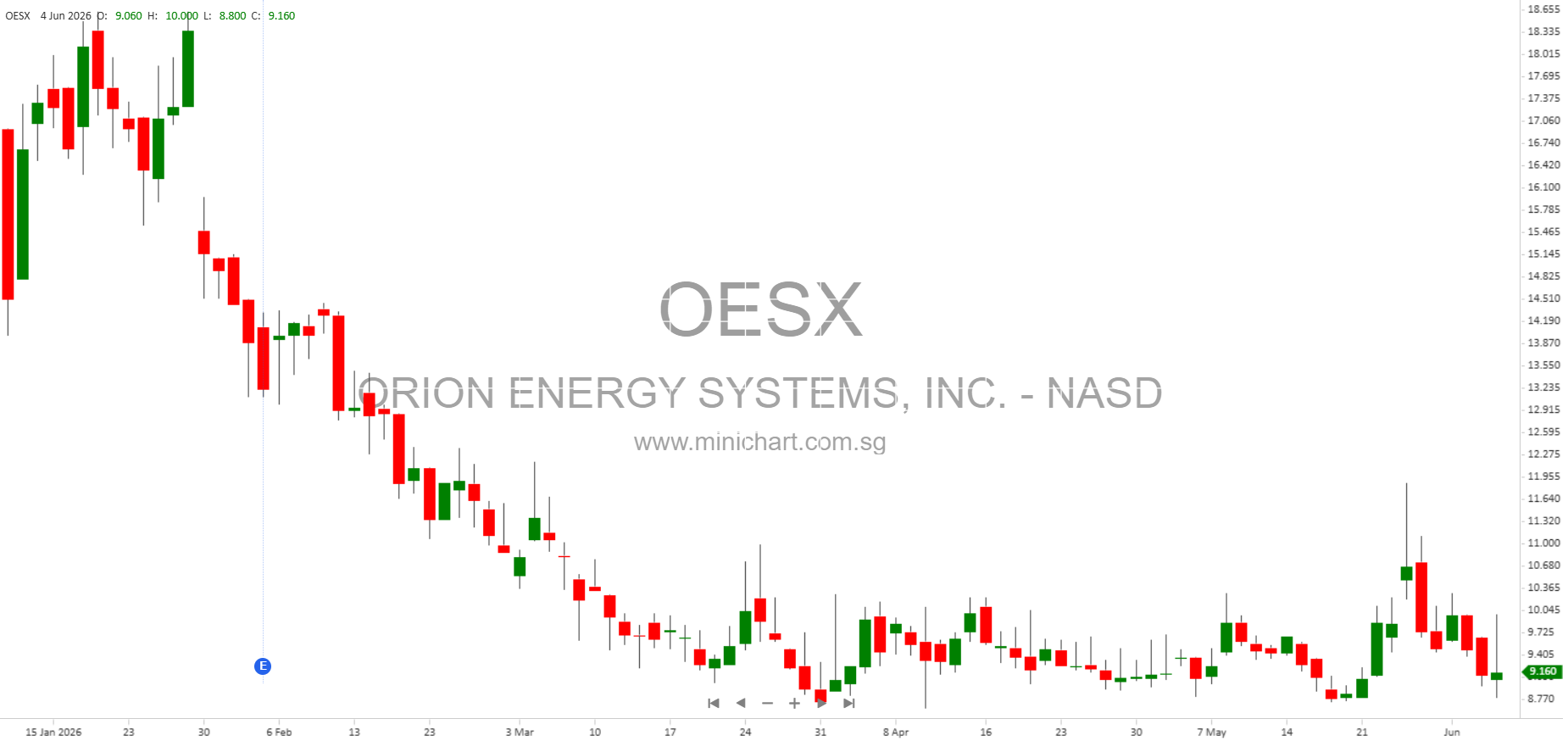
- Exchange: NASDAQ Capital Market (Symbol: OESX)
- Business Segments: Lighting, Electric Vehicle Charging Systems, Solar Energy, and Legacy Solar Facilities
- Recent Initiatives: Implementation of a new ERP system, focus on LED lighting retrofit solutions, and expanding service offerings
Potentially Price-Sensitive Information
1. Revenue Guidance and Financial Health
Orion’s ability to achieve its budgeted fiscal 2027 revenue expectations is highlighted as a critical factor for the company’s cash flow, stock price, and ability to fund operations and service debt. The report explicitly states that meeting these revenue targets will have a significant impact on both liquidity and valuation. Any underperformance could have adverse effects on share value.
2. New ERP System Implementation
The company is currently investing in a new Enterprise Resource Planning (ERP) system, a major initiative that involves substantial cost and potential operational disruption. Failure to successfully implement this system could negatively affect business operations and the effectiveness of internal controls over financial reporting—potentially leading to compliance risks or financial misstatements.
3. Exposure to Tariffs and Global Trade Actions
Orion reports that government tariffs and other trade actions have adversely impacted, and may continue to impact, its business. These pressures are resulting in increased costs, reduced gross margins, and uncertainties in supply chain stability—factors that can directly impact profitability and shareholder value.
4. Cybersecurity Risks
The risk of cybersecurity breaches is specifically called out as a material operational risk. A significant cyber incident could disrupt operations, lead to regulatory penalties, or result in reputational damage.
5. Macroeconomic and Competitive Pressures
- Macroeconomic factors: The company notes exposure to adverse global economic conditions, including diplomatic and trade relationship changes, which have already negatively affected customers and suppliers. Further deterioration could materially impact results.
- Increased competition: Orion is facing ongoing pressures to reduce average selling prices due to increased competition from foreign manufacturers, further squeezing margins.
6. Regulatory and Policy Changes
- Incentives at risk: The reduction or elimination of incentives for LED adoption or changes in policy could slow demand for Orion’s products, particularly LED lighting, which is a core revenue driver.
- Dependency on incentive programs: Any changes in U.S. or state policies or federal funding restrictions may have a disproportionate impact on top-line growth and market share.
7. Supply Chain Risks
Orion’s products rely on components and raw materials subject to price fluctuations, shortages, or interruptions. These risks could lead to cost increases or delays, further undermining profitability and competitive position.
Other Shareholder Considerations
- The company is not an emerging growth company and is classified as a “smaller reporting company”.
- There was no auditor attestation on internal control over financial reporting under Section 404(b) of Sarbanes-Oxley.
- No error corrections nor restatements requiring recovery of executive compensation were disclosed.
- No indication that the company is a shell company.
Forward-Looking Statements and Risk Factors
Orion’s management cautions investors not to place undue reliance on forward-looking statements, which are subject to a wide range of factors including revenue achievement, ERP implementation, global macroeconomic conditions, cyber risks, and regulatory changes. The company explicitly states that actual results may materially differ from projections and that there is no obligation to update forward-looking statements unless required by law.
Conclusion
Investors should note the company’s reliance on meeting revenue guidance, the risks associated with its ERP system rollout, persistent global economic and supply chain uncertainties, and the potential for regulatory policy shifts to affect demand. These elements are all potentially price-sensitive and could move the share price both positively (if managed well or if guidance is exceeded) or negatively (if the company falls short or faces operational disruptions).
Disclaimer: This article is for informational purposes only and does not constitute investment advice. Investors should conduct their own due diligence and consult with a financial advisor before making investment decisions. The information above is based on the company’s most recent SEC filings and may be subject to change.