Singapore High Court Issues Key Orders on Dasin Retail Trust Management Judicial Management Process
Overview
The Singapore High Court has issued a significant order regarding the judicial management of Dasin Retail Trust Management Pte Ltd, which may have profound implications for creditors, shareholders, and the future restructuring of the Trust. The order, dated 28 May 2026, sets out the procedures for the submission and adjudication of creditor claims and outlines the process for approving a potential scheme of arrangement under the Insolvency, Restructuring and Dissolution Act 2018 (IRDA).
Key Points for Investors
- Proof of Debt (POD) Process: Creditors are required to submit their claims (“Proofs of Debt” or PODs) within 14 days of receiving notice. This process will determine both the voting entitlements at creditors’ meetings and the quantification of claims for any future scheme of arrangement.
- Broad Notification Requirements: Notices will be sent to all known creditors and published in major newspapers in Singapore, Hong Kong, Macau, and China. This wide dissemination increases transparency but also signals the seriousness of the situation and the potential for substantial claims from international creditors.
- Adjudication and Dispute Resolution: The Judicial Manager (JM) will adjudicate PODs and notify claimants within 14 days after the filing deadline. Disputed claims can be appealed to the Court, with an independent assessor (licensed insolvency practitioner or a suitably qualified individual) providing recommendations.
- Impact on Voting and Claims: The outcome of the POD process directly affects creditor voting rights and the structure of any proposed restructuring scheme, which may in turn impact distributions to creditors and the recovery available to shareholders.
- Legal and Regulatory Framework: The process will be governed by both the IRDA and the related Judicial Management Regulations 2020, but with important modifications specified by the Court to address the unique circumstances of this case.
- Costs and Expenses: All costs related to this application and the process are to be treated as judicial management expenses and paid from company assets, potentially reducing the pool available to creditors and shareholders.
- Timelines: There are tight statutory deadlines for each stage—creditors have 14 days to file claims, the JM has 14 days to adjudicate, and appeals must be filed within 21 days of adjudication.
Potentially Price-Sensitive Issues
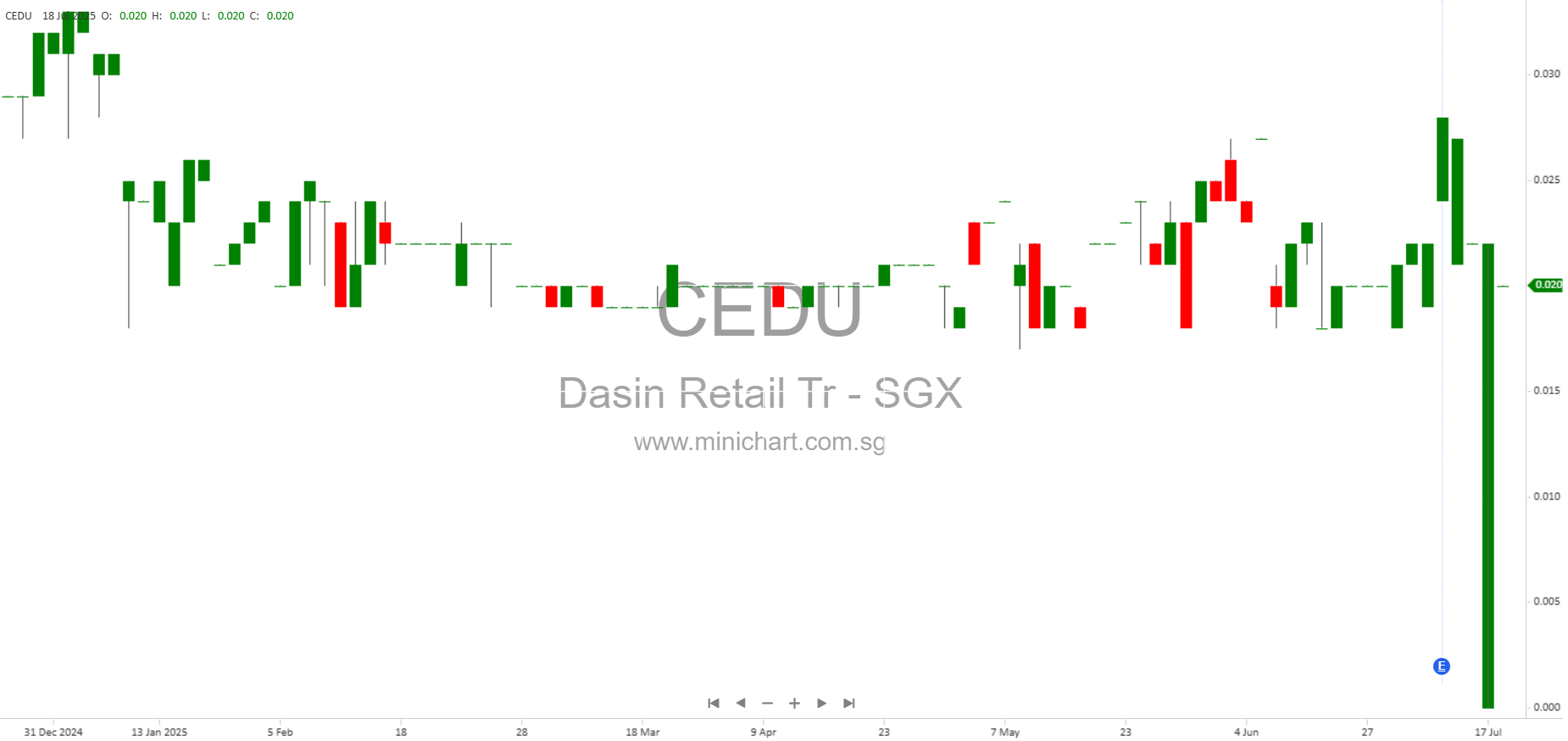
- Judicial Management Status: The company is under judicial management, indicating financial distress and a suspension of normal management powers. Any outcomes from this process, including a scheme of arrangement, may affect the value of shares depending on the terms of restructuring and potential dilution or losses for equity holders.
- Scope of Claims: The process explicitly distinguishes between claims admissible in judicial management and those only admissible under a scheme of arrangement. This could affect the overall liabilities and the recovery available for equity holders.
- International Exposure: The requirement to advertise in multiple jurisdictions suggests the presence of significant foreign creditors, which may complicate restructuring and increase the total claims.
- Transparency and Dispute Mechanisms: The transparent process and dispute resolution mechanism by independent assessors aim to ensure fairness but may also prolong the process and introduce greater uncertainty for shareholders.
- Judicial Oversight: Court involvement in all key decisions, including appeals on claim adjudication, underscores the seriousness of the process and may delay any final resolution.
Detailed Process Outline
- The Judicial Manager (JM) will notify all known creditors and publish notices in four key regional markets. Creditors have 14 days to file their claims using the prescribed Proof of Debt (POD) form, with supporting documentation.
- PODs are used to determine voting rights at creditors’ meetings (for approval of the JM’s Statement of Proposals) and to quantify claims under any proposed scheme of arrangement.
- The JM will adjudicate all claims within 14 days of the filing deadline and communicate the results to all claimants, including reasons for any rejections.
- Creditors may object to any adjudication within 21 days of notification, triggering referral to an independent assessor (IA), who will provide a written assessment to the Court, the JM, and the objecting creditor within 10 days.
- The Court will have the final say on any appeal, providing a further layer of judicial oversight.
- The entire process, including the cost of appointing independent assessors, will be paid out of company assets.
What Shareholders Should Watch
- Restructuring Outcome: The terms of any scheme of arrangement (if proposed) will be critical in determining whether shareholders retain any value or face dilution/losses.
- Extent of Admitted Claims: The total quantum of admitted creditor claims will directly impact recoveries for equity holders.
- Timeline and Delays: The timeline is tight but could be extended by creditor disputes, potentially prolonging uncertainty for investors.
- Ongoing Costs: Judicial management and dispute resolution costs are paid from company assets, which may further reduce recoverable amounts.
Conclusion
The High Court’s order sets in motion a structured but potentially complex process that will shape the future of Dasin Retail Trust Management Pte Ltd. Investors should note the heightened risk, the scope for significant restructuring, and the possibility of material impacts on shareholder value as the process unfolds.
Disclaimer: This article is for informational purposes only and does not constitute investment advice. Investors should conduct their own due diligence or consult a professional advisor before making any investment decisions. The situation remains fluid and subject to ongoing court proceedings and regulatory developments.
新加坡高等法院对达新零售信托管理公司司法管理程序发布关键命令
概述
新加坡高等法院于2026年5月28日就达新零售信托管理有限公司的司法管理发布了重要命令,对债权人申报和审查流程及未来可能的重组方案审批程序作出详细规定。这一命令基于《2018年破产、重组与清算法案》,对于债权人、股东及信托未来走向具有重大影响。
投资者需关注的要点
- 债权申报流程: 所有债权人需在收到通知后14天内提交债权申报(POD),该流程将决定其在债权人会议上的投票权及未来重组方案下的债权确认。
- 广泛通知义务: 通知将发送至所有已知债权人,并于新加坡、香港、澳门及中国主要报刊上发布,显示公司面临广泛债权人压力。
- 债权审查及争议处理: 司法管理人将在申报截止后14天内完成债权审查并书面通知申报人。若有争议,债权人可在21天内上诉,法院将指定独立评估人出具评估意见。
- 影响投票与债权结构: 债权最终确认结果直接影响债权人投票权及未来重组方案的利益分配,对股东回收价值有直接影响。
- 法律及监管框架: 全过程受IRDA法案及相关司法管理条例规范,但法院针对本案制定了特殊补充条款。
- 费用及支出: 所有相关费用计入司法管理支出,由公司资产支付,可能进一步压缩股东回收空间。
- 时间节点紧凑: 每一阶段都有明确的法定截止期,但如有争议可能延长整体流程。
可能影响股价的敏感事项
- 司法管理状态: 公司已进入司法管理,显示财务困境及管理权暂停,未来如何重组对股东价值影响重大。
- 债权范围的界定: 申报流程将严格区分不同法律情形下可申报的债权类别,可能影响整体负债及股东剩余权益。
- 国际债权风险: 涉及多地公告,显示存在大量国际债权人,重组难度及负债规模或加大。
- 透明度与争议机制: 透明、独立评估人介入的争议解决机制确保公正,但或导致流程延长,增加股东不确定性。
- 法院持续监管: 所有关键裁决须法院批准,流程或将较为冗长,最终结果不确定性增加。
详细流程梳理
- 司法管理人将向所有已知债权人发函并在四地主流媒体刊登公告,债权人须在14天内按统一表格申报债权并附证明材料。
- 债权申报将用于确定债权人在债权人会议的投票权及重组方案下的债权金额。
- 司法管理人须在申报截止后14天内完成所有债权审查并通知申报人,包括驳回理由。
- 债权人如对审查结果有异议,可在21天内向法院上诉,独立评估人将在10天内出具书面评估意见。
- 最终由法院裁定争议,确保程序公正。
- 所有流程费用(包括独立评估人费用)均由公司资产支付。
股东需关注事项
- 重组方案结果: 未来是否提出重组方案以及具体条款将决定股东能否保有价值或面临稀释/损失。
- 债权总额: 最终确认的债权总额将直接影响股东回收金额。
- 时间及进度: 尽管时间节点紧凑,但因争议或可能延长,影响投资决策时机。
- 持续费用消耗: 司法管理及争议处理费用均由公司资产支付,进一步减少可分配给股东的资源。
结论
高等法院命令标志着达新零售信托管理公司重组进入关键阶段,未来债权审查及可能的重组方案将深刻影响公司价值及投资者利益。投资者需密切关注后续进展,警惕重组及资产分配的不确定性。
免责声明: 本文仅供参考,不构成投资建议。投资者请自行尽职调查或咨询专业顾问。公司司法进程仍在进行中,相关情况可能随时变化。