Citius Oncology Announces Promising Phase 1 Data for LYMPHIR® Combination in Recurrent or Refractory Gynecologic Malignancies
Key Points for Investors
- Phase 1 data for LYMPHIR® (denileukin diftitox-cxdl) in combination with pembrolizumab showed durable responses and manageable tolerability in heavily pre-treated patients with gynecologic cancers.
- Nearly half (48%) of efficacy-evaluable patients achieved clinical benefit, with a median progression-free survival (PFS) of 20.5 months in this group.
- Encouraging responses were seen in patients who had previously failed immune checkpoint inhibitor therapy, including a 33% objective response rate (ORR) in relapsed/refractory endometrial cancer.
- Safety profile was acceptable, with only one case of reversible Grade 3 capillary leak syndrome (CLS) at the highest dose level and no new safety signals at higher doses.
- A Phase 2 expansion study is planned, potentially accelerating the path to a new market opportunity for LYMPHIR® in solid tumors.
Detailed Report
Background
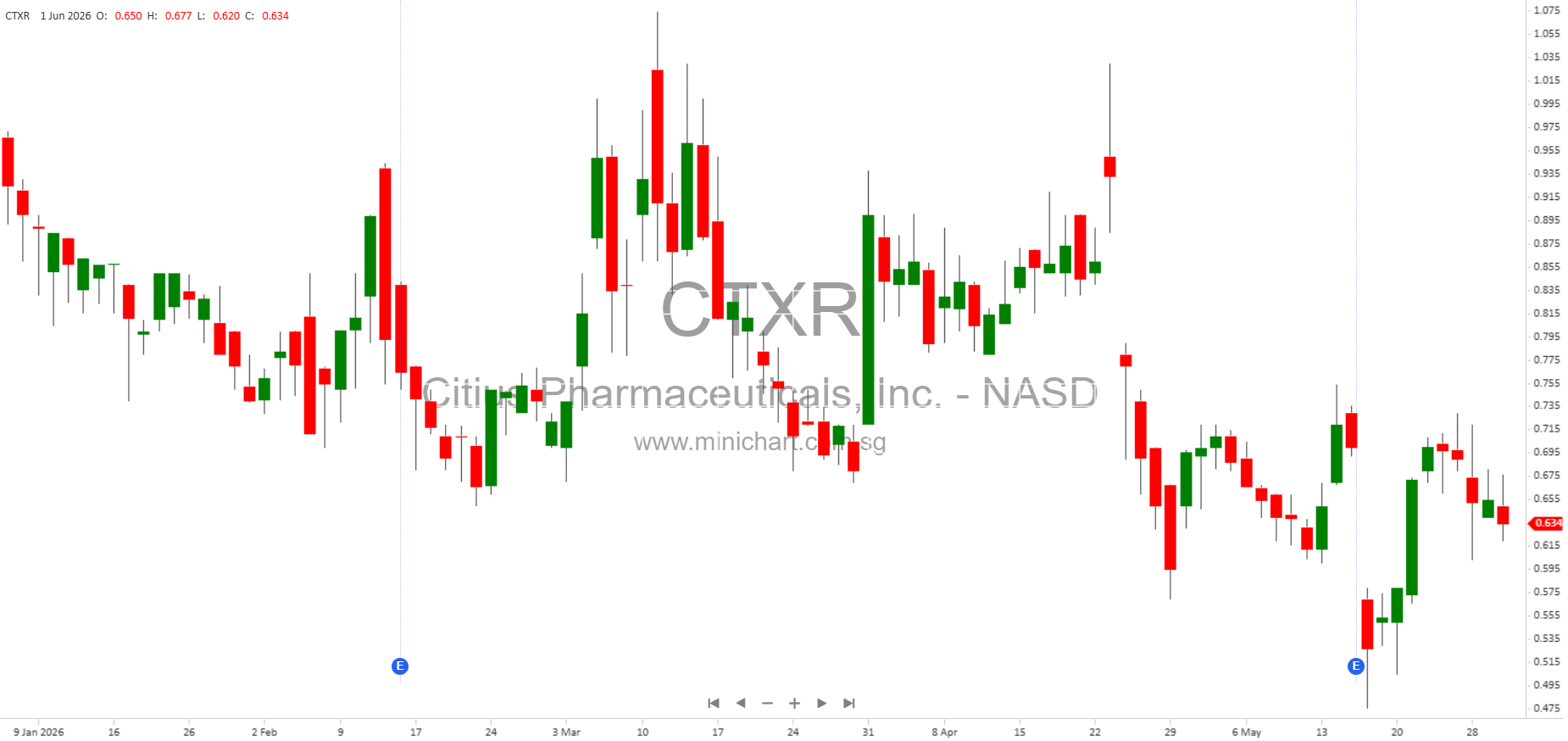
Citius Oncology, Inc. (Nasdaq: CTOR), a majority-owned subsidiary of Citius Pharmaceuticals, Inc. (Nasdaq: CTXR), is developing novel targeted oncology therapies. LYMPHIR®, a recombinant fusion protein, is currently approved by the FDA for relapsed or refractory Stage I–III cutaneous T-cell lymphoma (CTCL). The company is now pursuing additional indications in solid tumors and combination therapies.
Clinical Study Highlights
Data from an investigator-initiated, open-label Phase 1 trial were presented at the 2026 American Society of Clinical Oncology (ASCO) Annual Meeting. The study evaluated LYMPHIR® in combination with pembrolizumab in 25 heavily pre-treated patients with recurrent or metastatic solid tumors, primarily gynecologic cancers. Patients had received a median of five prior therapies, and over half had prior exposure to anti-PD-1 or PD-L1 therapies.
Efficacy Results
- Among the 21 efficacy-evaluable patients, the overall response rate (ORR) was 24% (5 partial responses).
- The median duration of response (mDOR) was not reached; 80% of partial responders were still experiencing clinical benefit at data cut-off, with response durations ranging from 4.2 to 35 months (median 21.1 months).
- 48% of patients (10 out of 21) achieved clinical benefit, defined as complete response (CR), partial response (PR), or durable stable disease for at least six months.
- For these 10 patients, the median progression-free survival (mPFS) was 20.5 months (95% CI: 6.5 – NA); the overall mPFS across all efficacy-evaluable patients was 5.8 months (95% CI: 2.2 – NA).
- Specifically, in endometrial cancer patients previously treated with checkpoint inhibitors, a notable 33% ORR was observed, including one ongoing response greater than three years.
- Five patients achieved PFS greater than 20 months, including one with over 30 months of progression-free survival.
Safety and Tolerability
- Only one case of reversible Grade 3 capillary leak syndrome (CLS) occurred at the highest dose level; a maximum tolerated dose was not reached.
- 16 serious adverse events were observed in seven patients at the highest dose, but no new safety signals or grade 3 or higher immune-related adverse events emerged.
- The safety profile was deemed manageable, supporting the potential for further development in broader patient populations.
Comments from Investigators and Company Leadership
Dr. Myron S. Czuczman, Chief Medical Officer of Citius Oncology, noted that LYMPHIR®’s ability to transiently deplete immunosuppressive regulatory T-cells may help overcome immune resistance in the tumor microenvironment, potentially enhancing checkpoint inhibitor efficacy. Dr. Alexander Olawaiye, lead investigator from UPMC Magee-Womens Hospital, emphasized the unmet need for effective salvage treatments in recurrent gynecologic malignancies, particularly when standard immunotherapies fail.
Translational Research and Next Steps
Ongoing research aims to identify biomarkers and clarify the mechanism of action of the combination regimen. A Phase 2 expansion study is in planning, which will target less heavily pre-treated and prior immunotherapy-exposed patient populations. This could broaden the commercial footprint of LYMPHIR® beyond its current CTCL indication.
Market Opportunity and Strategic Implications
- Management estimates the initial CTCL market for LYMPHIR® exceeds \$400 million and is underserved by existing therapies.
- Patent protections, orphan drug status, and pending intellectual property for combination immuno-oncology use could further strengthen Citius Oncology’s competitive positioning.
- Successful expansion into gynecologic and other solid tumors represents a significant growth opportunity and could be a major share price catalyst if future studies confirm these early results.
Regulatory and Commercial Status
- LYMPHIR® was FDA-approved and launched in the U.S. in December 2025 for relapsed or refractory Stage I–III CTCL after at least one prior systemic therapy.
- It is not yet approved for gynecologic malignancies or any solid tumors. The current study was not powered for efficacy, and additional, larger studies will be required for regulatory approval in new indications.
Safety Information and Boxed Warning
- LYMPHIR® carries a boxed warning for capillary leak syndrome (CLS), which can be life-threatening or fatal. Regular monitoring and dose adjustments are required based on severity.
- Other key risks include visual impairment, infusion-related reactions, hepatotoxicity, and embryo-fetal toxicity. The most common adverse reactions (≥20%) include elevated transaminases, decreased albumin, nausea, edema, anemia, fatigue, musculoskeletal pain, rash, chills, constipation, fever, and capillary leak syndrome.
Potential Price-Sensitive Considerations for Shareholders
- Positive clinical signals in difficult-to-treat patient populations provide early validation for expanding LYMPHIR® into solid tumors—a potentially transformative growth driver.
- Pending Phase 2 expansion and future regulatory and commercial milestones may act as catalysts for share price movement.
- However, investors should note that these results are from an early-stage study and not yet predictive of larger or later-stage study outcomes. The combination is not yet approved for solid tumors, and further development risks remain.
Forward-Looking Statements
This article may include forward-looking statements regarding the future potential of LYMPHIR®, market opportunities, and upcoming clinical or regulatory events. Actual results may differ due to a variety of risks, including (but not limited to) the need for additional funding, regulatory obstacles, market adoption, competition, and the possibility that early clinical data may not be confirmed in larger studies. Please consult the company’s latest SEC filings for a comprehensive list of risk factors.
Disclaimer
This article is for informational purposes only and does not constitute investment advice. Investors should conduct their own due diligence and consult with a qualified financial advisor before making any investment decisions. Early-stage clinical results discussed herein may not be indicative of future performance or regulatory outcomes. The author and publisher assume no liability for any actions taken based on this information.