Macerich June 2026 Investor Presentation: In-Depth Analysis and Key Takeaways for Shareholders
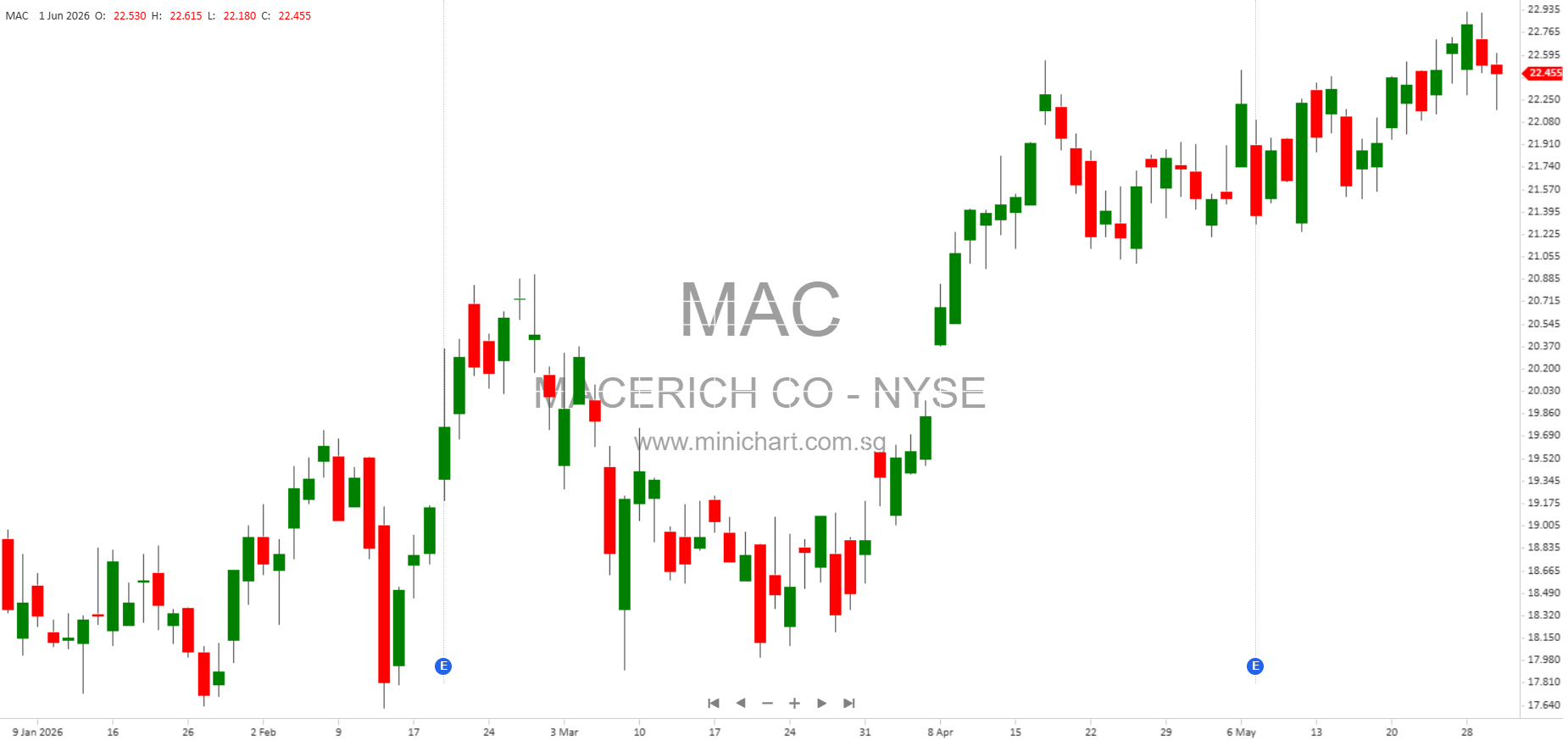
Macerich Company (NYSE: MAC) has provided its June 2026 investor presentation, outlining its strategic progress, financial health, and future vision. This report delves into the key takeaways, price-sensitive details, and forward-looking risks that every investor should know.
1. Strategic Transformation and “Path Forward Plan v3.0”
- Execution on “Path Forward Plan v3.0”: Macerich’s management team is delivering on a multi-year transformation plan focused on simplifying the business, improving operational performance, and reducing leverage. The plan has shifted from strategy to proven execution, with milestone achievements across leasing, portfolio optimization, and balance sheet strengthening.
- Leasing Progress: Leasing activity is ahead of schedule, with ~7.1 million square feet leased in 2025 (up 85% from 2024) and a “Leasing Speedometer” at 83% revenue completion, on track for an 85% mid-year 2026 target. There are approximately 1,000 new tenant openings planned over five years, with most already committed or in negotiation.
- Signed Not Open (SNO) Pipeline: ~\$120 million in annualized gross revenue is committed via new leases that will commence through 2028, with a target of \$140 million in cumulative SNO revenue—a substantial catalyst for future net operating income (NOI) growth.
2. Portfolio Quality and Market Position
- Class A Mall Focus: Approximately 90% of Macerich’s NOI now comes from top-tier Class A malls, which have proven resilient and continue to show growth. Macerich is positioned to selectively acquire and upgrade assets in this supply-constrained, high-performing segment.
- Recent Acquisitions: The company has acquired Crabtree Mall (Raleigh, NC) and Annapolis Mall (Annapolis, MD), both “Class A” assets, at stabilized yields of ~11% and ~13% respectively. These acquisitions are expected to enhance the company’s “Go-Forward Portfolio” and have already shown early leasing success and occupancy improvements.
- Portfolio Metrics: As of March 31, 2026, the Go-Forward Portfolio includes 32 regional retail centers, 37 million square feet, 94.5% occupancy, and \$941 per square foot in sales (up from \$899 previously). Average annual traffic per center is 7.8 million.
3. Financial Performance and Deleveraging
- Leverage Reduction: Pro forma leverage has been reduced by 1.5x, with a current Net Debt-to-EBITDA ratio of 7.76x (targeting 6.0x +/- by 2028). Over \$1.3 billion in asset dispositions have been completed, with another \$300–\$400 million anticipated by year-end 2026, supporting further deleveraging.
- Liquidity Position: As of May 2026, liquidity stands at ~\$1.2 billion, including a \$900 million revolving credit facility recently extended to 2030 on improved terms.
- FFO and NOI Guidance: The company is targeting 2028 FFO per share of \$1.80–\$2.00 and pro forma NOI of \$950–\$990 million. The plan assumes a 2028 share count of ~300 million and a weighted average interest rate of ~6% on refinanced debt.
- Capital Investments: Over \$2 billion in total reinvestment (including JV partners and retailers) is planned from 2026–2028, focused on leasing, tenant improvements, and large-scale redevelopment projects.
4. Development and Redevelopment Pipeline
- Major Projects:
- Green Acres (Valley Stream, NY): Projected stabilized yield of 17.0–18.0%.
- Scottsdale Fashion Square (AZ): Next phase of redevelopment with a 10.0–11.0% yield; vertical construction of luxury multi-family units underway.
- FlatIron Crossing (CO): Dynamic mixed-use redevelopment targeting a 6.75–7.75% yield.
- Anchor and Big Box Replacements: 30 of 30 anchor and big box leases are committed or in process, with 2.9 million square feet replacing outdated or vacant space. Estimated \$750 million in incremental annual sales expected from these new anchors.
- Physical Occupancy: Projected to reach ~95% by 2028 (permanent occupancy ~88%), supporting stronger pricing power and tenant mix optimization.
5. Market Trends and Industry Sentiment
- Mall Sector Resurgence: National media and analyst coverage highlight a renewed demand for well-located, experience-driven malls, with e-commerce failing to fully supplant physical retail. Retailer demand for prime mall space has rebounded, with limited new supply and rising rents noted as key industry themes.
- Gen Z Engagement: Gen Z consumers (the largest generation to date) are driving in-store shopping preferences, with 97% shopping at brick-and-mortar locations and projected global spending of \$21.6 trillion by 2034. Macerich is evolving its mall environments for experiential, “camera-ready” retail to capture this demand.
- REIT Performance: The mall subsector has delivered a 37.6% trailing twelve-month total return, outperforming most other REIT categories.
6. Corporate Governance and Management
- Board Independence: 7 out of 8 directors are independent, and there is no shareholder rights plan (“poison pill”) in effect. The company prioritizes board refreshment and sound governance.
- Management Alignment: Executive compensation is heavily tied to long-term shareholder returns, with the CEO opting for 100% performance-based awards.
7. Forward-Looking Risks and Cautions
- Risks and Uncertainties: The report identifies elevated interest rates, inflation, supply chain disruptions, tenant bankruptcies, and potential pandemic-related impacts as key risks. The company cautions that forward-looking statements are not guarantees and may differ materially from actual results due to these and other factors.
Conclusion: Shareholder Impact and Price Sensitivity
The June 2026 Macerich investor presentation delivers several price-sensitive updates for shareholders:
- Accelerated leasing and SNO revenue pipeline provide clear visibility into near-term NOI and FFO growth.
- Significant progress on deleveraging and liquidity strengthens the company’s balance sheet, reducing financial risk.
- Portfolio optimization toward Class A malls, supported by strategic acquisitions, positions Macerich to capitalize on favorable supply-demand dynamics.
- Redevelopment and new anchor projects are expected to drive incremental sales, occupancy, and valuation uplift.
- Strong sector returns and improving sentiment may catalyze further valuation upside as the company nears its 2028 targets.
Disclaimer: This article is for informational purposes only and does not constitute investment advice. Forward-looking statements are subject to risks, uncertainties, and assumptions; actual results may differ materially. Investors should review Macerich’s official SEC filings and consult their own financial advisors before making investment decisions.