Lincoln International, Inc. Completes IPO and Announces Key Corporate Developments
Key Points from the SEC 8-K Filing
- Successful Initial Public Offering (IPO): Lincoln International, Inc. and its selling stockholders have completed an initial public offering (IPO) of 24,007,486 shares of Class A common stock at \$20.00 per share, including the full exercise of the underwriters’ option to purchase an additional 3,157,498 shares.
- Gross Proceeds: The company raised \$473.7 million in gross proceeds from the IPO, prior to underwriting discounts and commissions.
- Outstanding Shares Post-IPO: If all Class B and Class C common stock shares were converted, the company would have a total of 102,015,412 shares of Class A common stock outstanding.
- Material Definitive Agreements: The company entered into several material agreements in connection with the IPO, as highlighted in the prospectus and registration statement.
- New Employment Agreements: Employment agreements were executed with Robert Brown (CEO) and Eric Malchow (President and Global Head of M&A) on May 21, 2026, with further details available in related exhibits.
- Amendments to Corporate Governance: The company’s Articles of Incorporation and Bylaws have been amended and restated, introducing significant provisions on share structure, governance, and shareholder rights.
- Stock Structure: Lincoln International now has authority to issue up to 1,005,000,000 shares, including 1 billion common shares (650 million Class A, 250 million Class B, 100 million Class C) and 5 million preferred shares.
- Emerging Growth Company Designation: The company qualifies as an “emerging growth company” and has elected not to use extended transition periods for new or revised accounting standards.
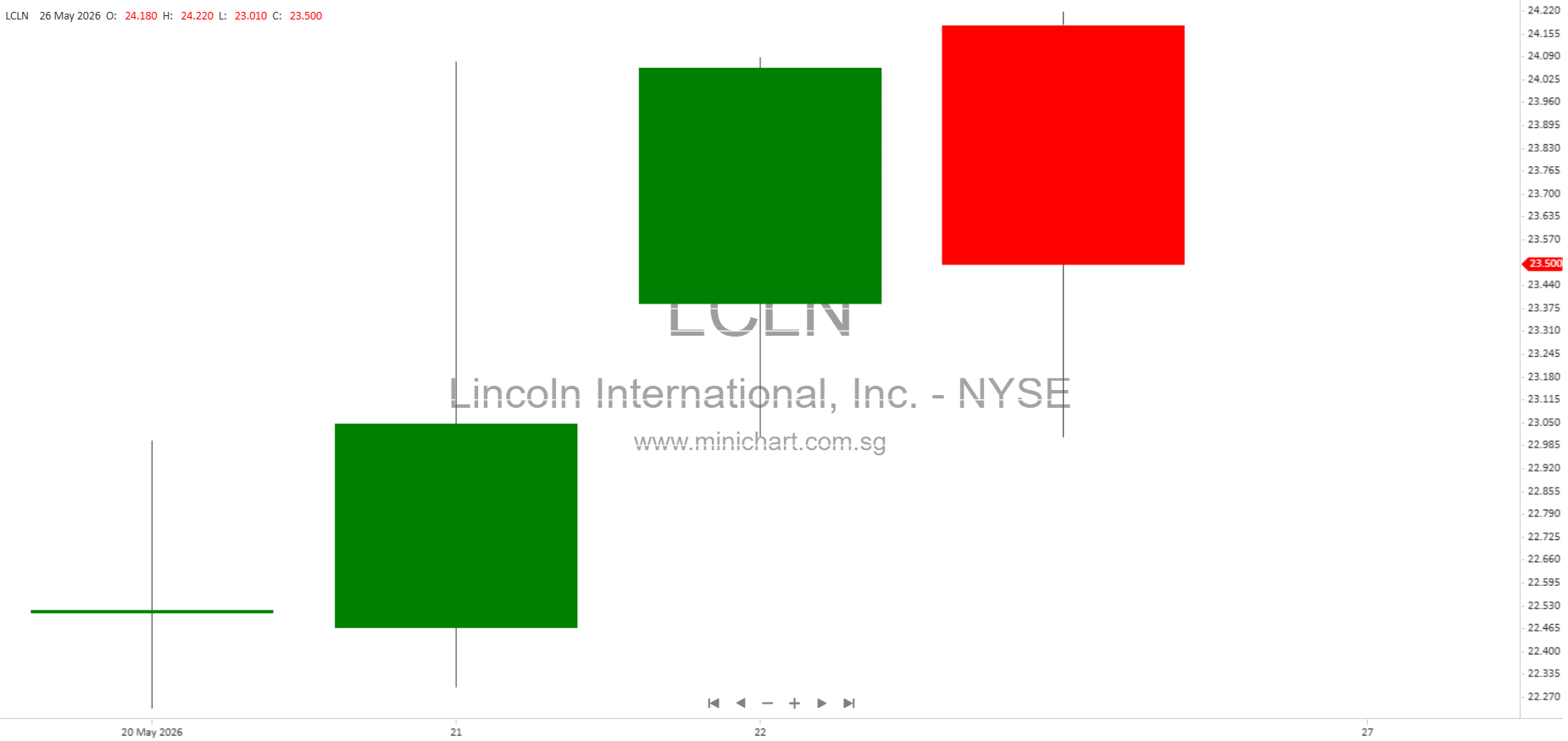
- Trading Information: The Class A common stock is listed and trading on the New York Stock Exchange under the ticker symbol “LCLN”.
- Corporate Governance Provisions: New rules on advance notice for shareholder meetings, director nominations, and shareholder proposals have been detailed.
- Limitation of Liability: The amended Articles limit the personal liability of directors and officers to the fullest extent allowed under Delaware law.
- Opt-Out of Section 203 of DGCL: The company has opted out of Section 203 of the Delaware General Corporation Law, which restricts certain business combinations with interested stockholders.
Details Investors Should Know
1. IPO and Capital Structure: Lincoln International’s successful IPO is a significant milestone and brings substantial capital that can be used for growth initiatives. The conversion potential of Class B and C shares to Class A could impact future share count and, consequently, earnings per share, potentially affecting valuation.
2. Governance and Shareholder Rights: The new Articles and Bylaws include stringent provisions on how shareholders can nominate directors and propose business at annual meetings. Shareholders must follow detailed notice and disclosure procedures, which could influence shareholder activism and board composition.
3. Limitation of Director Liability: The limitation of liability for directors and officers might be viewed positively for management stability, but it could also reduce recourse for shareholders in certain scenarios.
4. Opting Out of Section 203: By opting out of the Delaware anti-takeover statute, Lincoln International may be more open to mergers and acquisitions, which could be price-sensitive if takeover interest arises.
5. Material Agreements and Leadership Stability: The employment agreements with Robert Brown and Eric Malchow secure leadership continuity, a factor that can influence investor confidence.
6. Share Conversion and Dilution Risk: The potential for all Class B and C shares to convert to Class A shares presents a possible future dilution event, which shareholders should monitor.
Potentially Price-Sensitive Information
- IPO Proceeds and Capitalization: The large capital raise positions the company for expansion, acquisitions, or other strategic uses. The increased share count upon conversion of other classes may affect per-share metrics.
- Corporate Governance Changes: Stricter rules for director nominations and shareholder proposals may reduce the risk of hostile takeovers or activist campaigns, potentially stabilizing the company but possibly limiting shareholder influence.
- Opt-Out of Section 203: This could make Lincoln International a more attractive takeover target, which is highly relevant for investors focused on M&A opportunities.
- Leadership Stability: The confirmed long-term employment of key executives could be seen as a positive for continuity and strategic execution.
- Listing on NYSE: The new trading status under the ticker “LCLN” increases visibility and liquidity, potentially impacting share price performance.
Additional Information for Shareholders
Shareholder Meetings and Proposals: Shareholders wishing to propose business or nominate directors must adhere to detailed advance notice provisions and disclosure requirements.
Voting Rights: Shareholders must be aware of the different classes of common stock and their respective rights, as outlined in the amended Articles.
Director and Officer Liability: The new limitations on liability could affect shareholder remedies in the event of fiduciary breaches.
Preferred Stock Issuance: The Board has authority to issue preferred stock with terms determined at its discretion, which could impact existing shareholders if used for future financing or strategic transactions.
Conclusion
Lincoln International’s IPO and subsequent corporate governance changes mark a transformative period for the company. The influx of capital, updated governance and share structure, and leadership agreements are all significant for current and prospective investors. The opt-out from anti-takeover protections and the detailed rules for shareholder engagement are especially notable for those monitoring potential corporate actions, such as mergers or proxy contests.
Disclaimer: This article is for informational purposes only and does not constitute investment advice. Investors should review the full SEC filings and consult with their financial advisors before making investment decisions. The information provided is based on currently available public filings as of the date of this article and may be subject to change.