Samudera Shipping Line Ltd: Key Takeaways from 2026 AGM Q&A
By Financial Reporter
Introduction
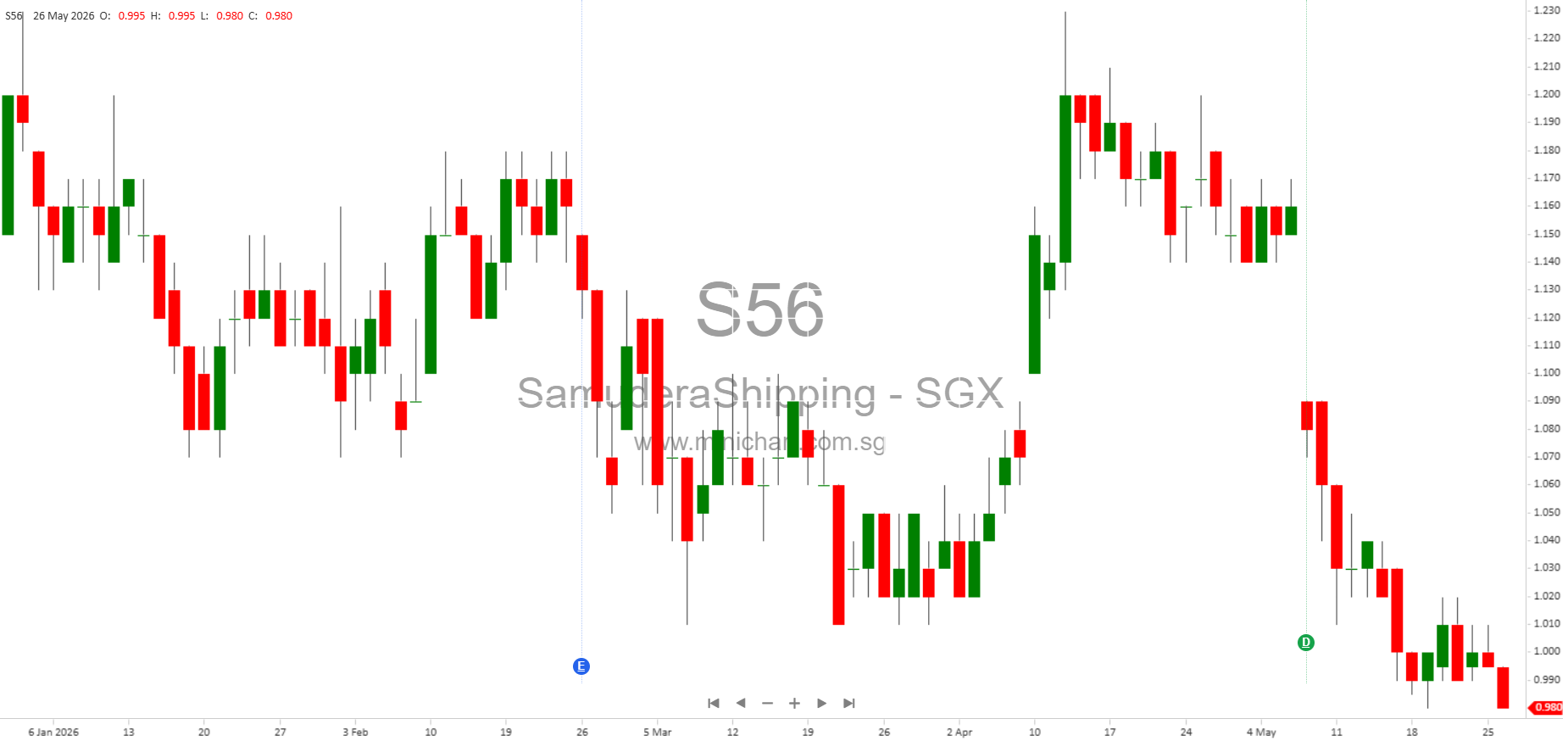
Samudera Shipping Line Ltd (SGX: S56) recently released a detailed summary of questions and answers from its Annual General Meeting (AGM) held on 28 April 2026. This session, led by the company’s top management and independent directors, addressed shareholders’ concerns regarding the Group’s financial strategy, operational performance, and future outlook. Below, we present an in-depth analysis suitable for investors, highlighting key points that may impact the company’s share price.
1. Financial Performance and Gross Margin Compression
- Gross Margin Pressure: The Group experienced a compression of gross margins, largely attributed to fluctuating freight rates and a steeper rise in operating costs compared to revenue growth. The management has emphasized ongoing investment in newer, more fuel-efficient vessels to drive productivity and reduce fuel consumption.
- Operational Efficiency Focus: Strategies to optimize ship operations and continuous fleet upgrades remain central to mitigating margin pressures.
2. Fuel Costs and Surcharge Mechanisms
- Fuel Cost Management: Amid ongoing oil price volatility, the Group maintains bunker/fuel surcharge policies in customer contracts. These clauses allow for passing increased fuel costs to customers, subject to market conditions and contractual terms, thereby mitigating the direct impact of fuel price spikes on the company’s margins.
- Review and Adjustment: Management commits to reviewing and adjusting surcharge policies in future contracts to remain responsive to fuel market dynamics.
3. Capital Structure: Cash Balance and Debt Strategy
- Significant Cash Reserves versus Debt: As of FY2025, the company holds a robust cash balance of US\$350 million, but also maintains total debt (including bank loans and lease liabilities) close to US\$330 million.
- Cost of Debt vs. Interest Income: The weighted average interest rate on borrowings stands at approximately 5.3%, whereas the interest received on cash (held mostly in fixed deposits) is significantly lower, generally below the Group’s weighted average cost of capital.
- Strategic Rationale: Management justifies this approach as conservative, ensuring liquidity for vessel acquisitions and providing a buffer against adverse market conditions. However, this policy also means higher finance costs relative to potential interest income, which may weigh on net earnings if prolonged.
- Ongoing Review: The company is actively reviewing its financing arrangements with banks for 2026 to optimize future vessel acquisitions and manage overall funding costs.
4. Finance Costs Breakdown and Disclosure
- Finance Costs Explained: For FY2025, total finance costs were US\$18 million, compared to finance income of US\$15 million. Notably, finance costs encompass not just bank borrowings but also lease liabilities and right-of-use assets, underscoring the importance of considering the entire capital structure.
- Transparency: Detailed breakdowns are disclosed in the annual report, ensuring shareholders can assess the cost composition.
5. Market Position and Competitiveness
- Indonesia and Regional Presence: While Indonesia is a significant market for Samudera Shipping Line, the company is not the sole feeder carrier in the country and faces competition from various operators. Its competitive advantage lies in deploying right-sized vessels for regional trades, especially in smaller ports across Southeast Asia.
6. Business Segment Focus and Expansion
- Core Business: The Group’s principal activity is container shipping. It also operates tankers, but currently focuses on carrying chemical products rather than crude oil. The company has no current plans to re-enter the crude oil shipping segment.
7. Fuel Hedging Strategy
- No Hedging, Relies on Surcharge: Instead of using financial hedging instruments for fuel costs, the company relies on contractual fuel surcharge clauses as a more reliable mechanism for cost recovery. Management believes this provides better protection based on historical experience.
Key Points for Investors and Potential Share Price Impact
- Margin Pressures and Cost Structure: Continued gross margin compression and higher finance costs could pressure profitability, especially if freight rates remain volatile.
- Liquidity vs. Leverage: The company’s decision to maintain high cash reserves alongside significant debt reflects a conservative risk posture, but may draw scrutiny if the cost of debt continues to outweigh interest income, potentially dampening future earnings.
- Fuel Cost Pass-through: The effectiveness of passing fuel costs to customers will hinge on market conditions and contract renegotiations, affecting near-term earnings visibility.
- Market Positioning: Continued competition in Indonesia and the broader region may challenge growth, but the company’s operational flexibility and fleet investments offer resilience.
Conclusion
Samudera Shipping Line Ltd’s AGM Q&A reveals a company focused on operational efficiency, disciplined capital management, and a cautious approach to risk. Investors should monitor developments in freight rates, fuel costs, and the company’s capital allocation strategy, as these will be key drivers of future performance and share price direction.
Disclaimer: This article is for informational purposes only and does not constitute investment advice. Investors should conduct their own research or consult a professional advisor before making investment decisions.
Samudera Shipping Line Ltd:2026年度股东大会问答要点(中文版)
作者:财经记者
简介
Samudera Shipping Line Ltd(新加坡证券交易所代码:S56)近期发布了2026年4月28日年度股东大会(AGM)问答摘要。管理层及独立董事详细解答了投资者关注的财务策略、经营表现及未来展望。以下为投资者整理的深度解读,重点突出了可能影响公司股价的关键信息。
1. 财务表现与毛利率压力
- 毛利率下降: 由于运费率波动及成本上升快于收入增长,集团毛利率承压。管理层正持续投资更新更节能的船舶,以提升生产效率和降低燃油消耗。
- 运营效率: 船队持续优化与升级是公司核心策略,旨在缓解成本压力。
2. 燃油成本与附加费政策
- 燃油成本管理: 面对油价波动,集团已在客户合同中设有燃油附加费条款,可将成本上升部分传递给客户,减轻对盈利的直接冲击。
- 动态调整: 管理层承诺持续审视并调整相关条款,以应对未来市场变化。
3. 资本结构:现金储备与债务策略
- 充裕现金与高负债: 截至2025财年,公司现金余额为3.5亿美元,但总债务(含银行贷款及租赁负债)约为3.3亿美元。
- 债务成本高于存款收益: 贷款加权平均利率约为5.3%,而现金定存利率明显较低,通常低于加权资本成本。
- 策略考量: 管理层强调该策略为保守型,以备未来船舶收购及应对市场不确定性。但若长期持续,较高的财务费用可能影响净利润。
- 融资安排检讨: 公司正与多家银行检讨融资方案,以优化未来资金成本。
4. 财务费用明细与信息披露
- 财务费用组成: 2025财年财务费用为1800万美元,财务收入为1500万美元。费用包括贷款利息及租赁负债成本,需全面评估资本结构。
- 信息透明: 年报中详列相关明细,便于投资者分析。
5. 市场地位与竞争力
- 印尼市场: 印尼为集团重要市场,但非唯一运营商,公司通过为东南亚小型港口提供合适船型,保持竞争力。
6. 业务聚焦与扩展
- 主营业务: 以集装箱运输为主,虽有油轮业务,但仅承运化工品,目前无计划重返原油运输领域。
7. 燃油对冲策略
- 未采用对冲工具: 公司主要依赖附加费条款转嫁燃油成本,管理层认为此方式更为稳妥。
投资者须知及潜在影响
- 毛利及成本结构: 毛利率持续承压及较高财务费用或影响盈利能力,尤其在运费波动时。
- 流动性与杠杆: 维持高现金及高负债策略虽保守,但若借款成本高于存款收益,或拖累未来利润。
- 燃油成本转嫁能力: 成效取决于市场及合同协商,影响短期盈利可见度。
- 市场竞争: 印尼及区域竞争或挑战成长,但船队升级与灵活运营为公司提供抗压能力。
结论
Samudera Shipping Line Ltd专注于运营效率、审慎资本管理及风险控制。投资者应持续关注运费、燃油、资本分配策略等因素,这些将主导公司未来表现及股价走向。
免责声明:本文仅供参考,不构成投资建议。投资者决策前应自行调研或咨询专业顾问。