LS 2 Holdings Limited AGM 2026: Major Updates and Investor Insights
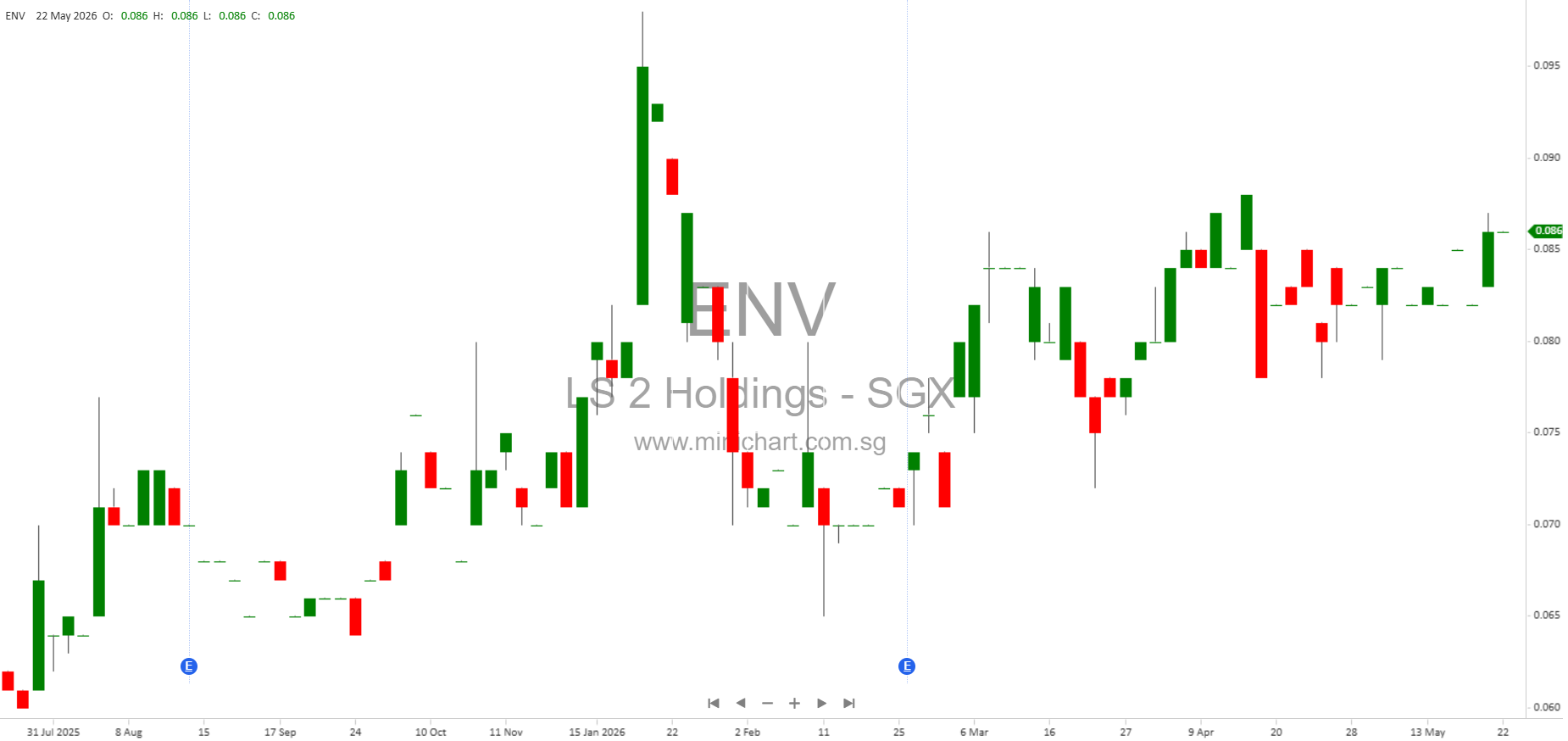
LS 2 Holdings Limited recently held its Annual General Meeting (AGM) on 24 April 2026, where shareholders engaged actively with management on a range of operational, financial, and strategic issues. The following detailed analysis summarizes the key points raised and responded to by the Board and senior executives, with a focus on matters potentially affecting the company’s share price and outlook.
1. Employee Benefits & Project Margins
– The company has benefited from the Singapore government’s Special Employment Credit (SEC) for hiring older workers. However, management clarified that due to ongoing labor shortages, hiring is based on availability rather than age, making it difficult to factor SEC benefits into project tender pricing. If older workers are replaced with younger ones (who do not qualify for SEC), there may be some margin compression. The company is mitigating this risk through technology adoption and productivity enhancements.
Investor Impact: Changes in workforce composition could affect margins, but ongoing investment in automation and efficiency is expected to offset potential downside. This demonstrates management’s focus on long-term operational resilience.
2. Raw Material Costs & Hedging
– Purchases and related costs accounted for approximately 11.5% of revenue last year. The company faces challenges in locking in long-term purchase prices due to global volatility in petrochemical prices, but is able to secure short-term cost stability for certain projects where contracts allow.
Investor Impact: Short-term hedging provides some margin protection, but prolonged price uncertainties could pose risks to profitability if inflation persists in input costs.
3. Dividend Policy & Shareholder Returns
– Shareholders voiced concerns over the lack of dividend payouts since the IPO and suggested implementing a dividend policy (e.g., 15-25% payout). Management explained that no fixed dividend policy exists, prioritizing operational and growth cash needs over distributions.
– The company ended the year with S\$7.6 million in cash but noted high monthly cash outflows for payroll and project execution. The Board exercises prudence by minimizing borrowings, focusing instead on maintaining a strong cash position.
Investor Impact: Absence of dividends and prioritization of cash reserves may be viewed negatively by yield-seeking investors, but supports long-term growth and stability. The Board committed to further review of the dividend policy in response to shareholder feedback.
4. Financial Transparency & Metrics
– Investors requested more granular financial metrics (ROE, net tangible assets, EPS, net gearing, dividends) over multiple years for better analysis. The Board acknowledged the feedback and may enhance future disclosures.
Investor Impact: Improved transparency could enhance valuation and attract more institutional investors.
5. Growth Areas: IFM vs. Cleaning Services
– The company’s core remains in cleaning and “soft services” (including pest control and landscaping). Integrated Facilities Management (IFM) is a new but growing segment, with the company gradually building capabilities in construction and M&E works. The strategy is to integrate related services for comprehensive offerings and better resource utilization.
Investor Impact: Expansion into IFM offers potential for higher margins and diversification, which could be positive for growth-oriented investors.
6. Loss-Making Machinery Segment & R&D
– The machinery segment has been loss-making for two years, reflecting early-phase investments in robotics and automation. Management considers these losses as part of the transformation to a tech- and data-driven model, aimed at long-term efficiency and differentiation.
– Shareholders suggested reclassifying this segment as R&D/innovation for clarity, which management agreed to consider.
Investor Impact: While current losses may weigh on short-term results, successful innovation could provide a competitive edge and improve margins over time.
7. Executive Remuneration & Board Structure
– Concerns were raised regarding the high combined remuneration of the Executive Chairman and CEO relative to company profits. Suggestions included shifting to a non-executive chairman structure, reviewing service contracts, and tying rewards more closely to shareholder returns.
– The Board defended its pay structure, citing the need to attract and retain experienced leaders, and emphasized that remuneration includes a performance-based component.
Investor Impact: Perceptions of high executive pay amid low or no dividends may affect shareholder sentiment and share price unless addressed.
8. Free Float & Liquidity Concerns
– The company’s free float is approximately 15%, leading to low trading liquidity. Suggestions were made to improve liquidity via share placements.
Investor Impact: Increased liquidity could attract more investors and support share price appreciation if implemented.
9. Receivables Collection & Cash Flow
– Receivables overdue by more than 90 days totaled S\$1.8 million, down from S\$2.5 million previously. Most overdue amounts have since been collected. A significant portion of receivables is government grant-related and considered low risk. No expected credit loss was identified.
– Shareholders expressed concern that slow collections compared to prompt payments tie up cash that could be used for dividends.
Investor Impact: Effective receivables management is critical for cash flow and potential future dividends. Continued improvement in collection could free up cash for shareholder returns.
10. Leasehold Properties
– The company clarified that leasehold properties relate to short-term leases (typically two years) of workers’ dormitories, renewed as required by project needs.
11. Leadership Structure
– Both CEO and Executive Chairman have distinct, complementary roles: the EC brings over 30 years of industry experience, while the CEO leads technology and transformation. The Board believes this collaborative leadership is essential for growth and transformation.
Investor Impact: Investors should monitor whether this structure delivers the promised transformation and returns.
Conclusion & Potential Share Price Sensitivities
- Dividend Policy: Ongoing review with potential for future payouts could be a positive catalyst if adopted.
- IFM Expansion: Success in IFM could accelerate growth and improve margins.
- Executive Pay: Structural changes or increased alignment with shareholder returns could improve sentiment.
- Liquidity Measures: Share placements to increase free float may boost trading activity and share value.
- Operational Efficiency: Continued adoption of technology and better receivable management could enhance financial performance.
Disclaimer: This article is for informational purposes only and does not constitute investment advice. Please consult a licensed financial advisor before making any investment decisions. The views expressed are based on the latest AGM disclosures and may be subject to change.
LS 2控股有限公司2026年股东大会:投资者需关注的要点
LS 2控股有限公司于2026年4月24日召开了年度股东大会,多位股东就公司运营、财务、战略等多个领域进行了提问,管理层及董事会进行了详细回应。以下为会议要点整理,聚焦对公司股价及未来展望可能有影响的重要信息。
1. 员工福利及项目利润
– 公司因雇佣年长新加坡员工享有政府特殊就业补贴(SEC),但由于劳动力短缺,招聘以可用性为主,难以在投标定价中明确计入SEC利益。若年长员工被年轻员工替换,可能压缩利润率。公司正通过技术和生产力提升来对冲此类风险。
2. 原材料成本与对冲
– 采购及相关成本约占去年收入11.5%。公司可对部分项目短期锁定价格,但受全球石化行情影响,难以长期锁价。
3. 分红政策与股东回报
– 股东对自IPO以来未派息表示关切,并建议设立分红政策。管理层表示公司当前无固定分红政策,优先确保运营及成长资金需求。年末公司持有现金约760万新元,但每月现金开支较大,董事会强调审慎财务管理。
4. 财务透明度
– 股东建议披露更多年度财务指标,如ROE、每股收益等,董事会已采纳并考虑未来改进。
5. 增长领域:设施管理与清洁服务
– 公司核心仍为清洁与“软服务”,包括病虫害防治与绿化。综合设施管理(IFM)为新兴增长点,公司正逐步建立相关能力。目标是通过服务整合提升效率与客户价值。
6. 亏损的机械业务与研发
– 机械板块已连续两年亏损,主要因早期投入机器人与自动化。管理层认为这些投入有助于公司长期转型与竞争力提升,未来考虑将此板块归类为研发/创新。
7. 高管薪酬与董事会结构
– 股东对执行主席与CEO薪酬占利润比例高表达担忧,并建议优化董事会架构,进一步将管理激励与股东回报挂钩。董事会回应薪酬结构包含绩效考核,强调吸引与保留经验丰富高管的重要性。
8. 流通股本与流动性
– 公司自由流通股约为15%,流动性较低,建议通过定向配售等方式提升流动性。
9. 应收账款与现金流
– 超过90天的逾期应收账款为180万新元,较去年减少,公司称大部分已收回,且主要为政府补助类低风险款项。股东担忧资金被应收账款占用影响分红。
10. 租赁物业
– 公司说明租赁物业为员工宿舍,通常为两年短租,按项目需要续租。
11. 领导层结构
– CEO与执行主席分别负责技术转型与行业经验,协同合作以推动公司长期发展。
结论与股价敏感点
- 分红政策:若后续采纳分红政策将利好股价。
- IFM拓展:如取得进展将带来新增长点。
- 高管薪酬:优化薪酬及结构有利改善市场信心。
- 流动性提升:定向配售可带动股价和交易活跃度。
- 运营效率:技术投入与应收账款管理将改善财务表现。
免责声明:本文章仅供参考,不构成投资建议。请在投资前咨询持牌金融顾问。内容基于最新股东大会披露,或随时间调整。