*ST 海华(600243):关于上海证券交易所业绩预告监管工作函的详细公告解读
青海华鼎实业股份有限公司(*ST 海华)近日就收到的上海证券交易所《关于业绩预告有关事项的监管工作函》发布了详细公告,内容涉及公司加气业务与子公司湖南青晔机械设备有限公司的营业收入相关事项。该公告不仅回应了监管层的关注问题,还对投资者和股东揭示了公司内控、业务实质及未来业务可持续性等重要信息,具备显著的信息披露价值,或对公司股价构成影响。
一、加气业务的核心问题及整改进展
1. 加气业务运营及会计核算问题
- 公司控股子公司茫崖源鑫能源有限公司及其全资子公司巴州鲁新鼎盛燃气有限公司主要运营LNG和CNG加气站业务,业务模式、定价机制、盈利模式及获客方式均有详细披露。
- 加气站采购磅单显示的采购量与送货单存在部分不一致,主要原因系LNG运输、卸载过程中的自然损耗,公司已按行业惯例与供应商进行结算,偏差极小。
- 销售环节仅有手工台账且登记不完整,未能获取全部车牌信息,销售价格调整频繁但缺乏书面记录,曾导致审计难以确认成本和收入的真实性、准确性。公司已聘任新会计师事务所强化核查,并未发现重大缺陷。
2. 内部控制与会计师结论
- 加气业务内部控制未发现重大缺陷,业务会计核算真实准确。会计师全面核查采购合同、过磅单、发票、对账单、收款凭证及视频监控,均未发现重大异常。
- 前任会计师也未发现公司管理层存在诚信问题或重大内部控制缺陷。
二、湖南青晔机械设备有限公司营业收入等关键事项
1. 营业收入构成与业务实质
- 湖南青晔为公司2025年8月新设子公司,8-12月实现收入3076万元。外协加工占比高达92.2%,固定资产投入较少(344.95万元),生产人员仅7人,主要依赖第一大客户湖南星邦机械(销售占比达84%-100%)。
- 公司租赁客户及其关联方场地用于生产,供应商亦为客户供应商,部分采购需经客户认可。监管层质疑其商业实质和业务链条中的作用。
- 公司详细说明外协模式的行业合理性,已披露对外协厂商不存在重大依赖,且自身拥有核心工艺能力和机械加工技术积累。生产模式、组织架构、工艺流程、质量控制体系及内部控制均有详尽说明。
- 湖南青晔的资产规模与收入规模匹配,同行业公司设备净值占营业收入比例2%-17%,湖南青晔为4.64%,在合理区间。
- 综合毛利率仅5.45%,低于同行业上市公司,主要由于部分新客户产品未形成规模效应,星邦机械客户毛利率达11.43%。
- 湖南青晔通过结构件设计、焊接、金属切削等工序,实现原材料向高空作业平台结构件的产品价值提升。
2. 客户与供应商依赖及业务可持续性
- 湖南青晔对星邦机械客户及主要原材料、劳务供应商存在一定依赖,但已积极开拓新客户(如金达润腾、广东贝斯新能源),并引入第二供应商、招录自有工人以降低依赖风险。
- 2026年与星邦机械签订年度合作协议,2026年1-3月销售收入1732万元,业务持续性得到保障。
- 湖南青晔业务模式、盈利模式、采购与生产流程详尽披露,形成了稳定的业务模式。
3. 会计确认及退市风险事项
- 湖南青晔营业收入不属于《上交所上市公司自律监管指南第2号——业务办理》附件第七号“营业收入扣除”范围,具备完整的投入、加工处理和产出能力,业务可独立核算,能实现产品价值提升。
- 公司采用总额法确认收入,符合《企业会计准则》及应用指南关于“主要责任人”的认定标准。
三、对投资者和股东的重要提示
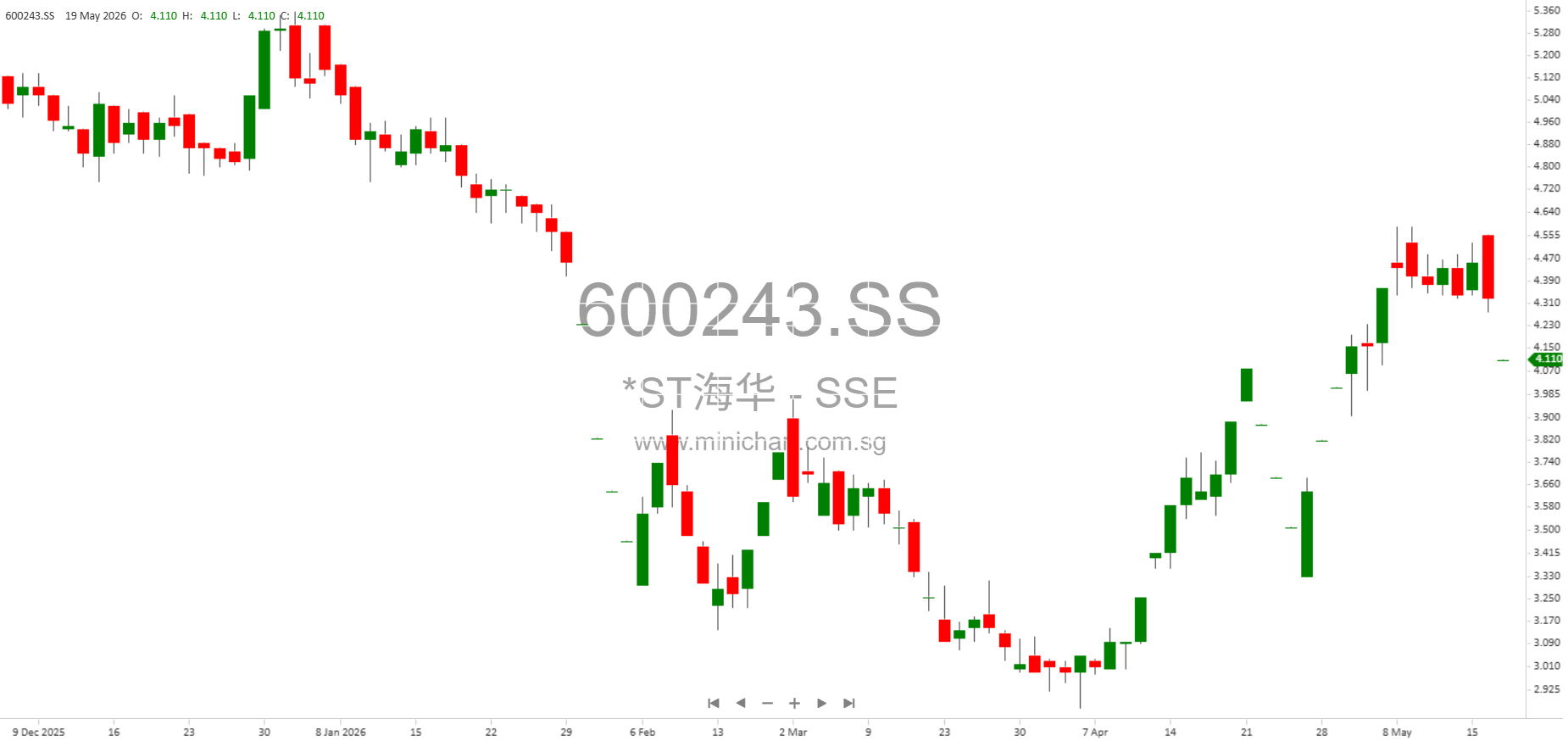
- 湖南青晔高依赖单一客户、外协加工比例高、毛利率偏低、内部控制和会计核算问题等,均为监管层重点关注事项,亦可能引发市场关注及股价波动。
- 公司业务模式正处于转型与拓展阶段,若新客户及自主产能拓展顺利,有望改善客户与供应商依赖结构和盈利能力,反之若客户集中或外协问题无法有效缓解,可能影响未来收入和利润稳定性。
- 湖南青晔营业收入确认未被归入“营业收入扣除”范围,短期内消除了退市风险,但公司需持续改善业务实质与独立性,提升毛利率和业务可持续性。
四、结论
本次公告详细回应了监管层对加气业务和湖南青晔营业收入的全部疑点,当前公司财务核算和内部控制体系未发现重大缺陷,营业收入确认合规,湖南青晔业务具备商业实质和持续性。但高客户、供应商依赖和低毛利率仍需持续关注,未来业务拓展、内部管控及盈利改善将直接影响公司价值及二级市场表现。
免责声明: 本文内容仅供参考,不构成投资建议。投资者应结合自身实际情况谨慎决策。公司经营情况可能随市场、政策等变化而发生调整,投资需注意相关风险。
英文版:
*ST Haihua (600243): In-Depth Analysis of the Regulatory Letter on Performance Forecast from SSE
Qinghai Huading Industrial Co., Ltd. (*ST Haihua) has recently issued a detailed announcement in response to the Shanghai Stock Exchange’s regulatory letter regarding its performance forecast. The document addresses critical issues in the company’s gas refueling business and the revenue recognition of its subsidiary, Hunan Qingye Machinery Equipment Co., Ltd. The announcement not only answers the regulator’s concerns but also reveals vital information for investors and shareholders about internal controls, business substance, and future sustainability—potentially price-sensitive disclosures.
1. Core Issues and Rectification Progress in the Gas Refueling Business
1.1 Operational and Accounting Issues
- Subsidiaries Mangya Yuanxin Energy and Bazhou Luxin Ding Sheng Gas mainly operate LNG and CNG refueling stations. Their business models, pricing mechanisms, profit models, and customer acquisition strategies are fully disclosed.
- Discrepancies between purchase weighbills and delivery notes are primarily due to natural losses during LNG transport and unloading. Settlements follow industry practice; discrepancies are minimal.
- Sales records are incomplete, with only manual ledgers and missing license plate data; frequent price adjustments lack written records, previously making audit confirmation difficult. A new auditor has been engaged, and no major defects were found.
1.2 Internal Controls and Auditor Conclusions
- No significant internal control deficiencies found in gas station operations; accounting records are true and accurate. Auditors reviewed contracts, weighbills, invoices, payment vouchers, and surveillance footage with no major anomalies detected.
- Previous auditors also found no integrity or significant internal control issues with management.
2. Key Issues for Hunan Qingye Machinery Equipment Co., Ltd. Revenue
2.1 Revenue Structure and Business Substance
- Hunan Qingye, established in August 2025, reported revenue of RMB 30.76 million from August to December. Outsourced processing accounted for a high 92.2%, with low fixed assets (RMB 3.45 million) and only 7 staff, highly dependent on top client Hunan Xingbang Machinery (84%-100% of sales).
- The company leases production space from clients/affiliates, and suppliers overlap with clients. Some procurement requires client approval. Regulators questioned business substance and Qingye’s role in the value chain.
- The company provided detailed explanations, stating that external processing is industry-accepted. Core process design, quality control, and procurement are still handled in-house, and there is no major dependence on any one supplier.
- Qingye’s asset scale and revenue are matched (fixed assets to annualized revenue ratio 4.64%, in line with industry peers at 2%-17%).
- Gross margin only 5.45%, lower than industry peers; main cause is lack of scale effect in new client products. Xingbang Machinery gross margin is 11.43%.
- Qingye’s process upgrades steel materials to high-value structural components for aerial work platforms, creating value.
2.2 Client and Supplier Dependence / Business Sustainability
- High dependence on single client and key suppliers, but new clients (Jindarunteng, Best New Energy) and secondary suppliers have been introduced. More in-house staff have been hired to lower risks.
- Signed 2026 annual cooperation agreement with Xingbang Machinery; Q1 2026 sales RMB 17.32 million, showing ongoing business continuity.
- Detailed business, profit, procurement, and production models disclosed; stable operating model established.
2.3 Revenue Recognition and Delisting Risk
- Qingye’s revenue does not fall under the “deductible operating income” category in SSE’s regulatory guidelines. The business has full input, processing, and output capabilities, and can independently account for costs and revenue.
- The company uses the gross method for revenue recognition, complying with Chinese Accounting Standards for “principal vs. agent” criteria.
3. Key Points for Investors and Shareholders
- High dependence on single client, high outsourcing, low gross margin, and previous internal control/accounting issues are all regulatory focal points and may affect share price volatility.
- The company is at a transformation and expansion stage: successful client/supplier diversification and margin improvement could enhance company value; failure to address concentration risk may impact future earnings stability.
- Revenue recognition is not subject to deduction rules, removing immediate delisting risk. However, business substance, independence, and sustainability must continue to improve.
4. Conclusion
This announcement comprehensively addresses regulators’ concerns regarding both the gas business and Hunan Qingye’s income. No significant accounting or internal control flaws were found, and revenue recognition is compliant. However, client/supplier concentration and low gross margins remain issues requiring ongoing attention. Future business development and internal management will directly affect share value and secondary market performance.
Disclaimer: This article is for informational purposes only and does not constitute investment advice. Investors should make prudent decisions based on their own circumstances. Company operations may change with market or policy developments; investment comes with risks.