威帝股份重大资产重组问询回复详解:商誉减值风险、业绩波动、偿债压力与客户集中度等多重关注
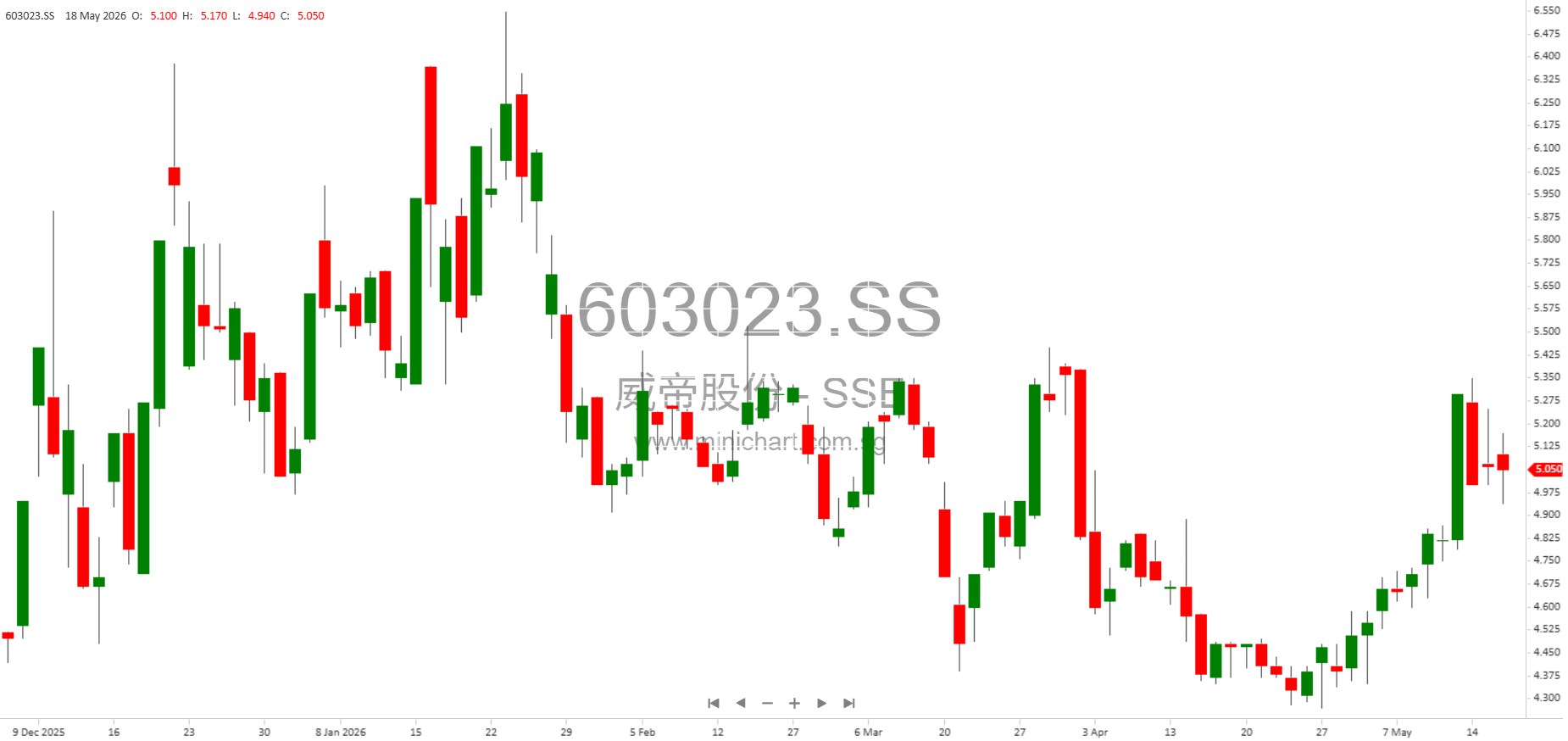
哈尔滨威帝电子股份有限公司(603023,简称“威帝股份”)近日发布了关于重大资产重组草案的信息披露问询函的回复公告,涉及收购江苏玖星精密科技股份有限公司(简称“玖星精密”)90%股权的重大事项。此次公告内容详实,涵盖了商誉减值、业绩波动、资产负债与偿债安排、估值合理性、应收账款风险、固定资产与产能利用率、公司治理及客户集中等多个方面,对于投资者具有高度参考价值,亦可能对公司股价产生影响,以下为详细解读。
一、交易概述及价格敏感要点
- 本次交易为全现金收购玖星精密90%股权,交易对价为10.95亿元。
- 交易完成后,威帝股份将新增商誉7.61亿元,占合并报表净资产的98.83%,商誉减值风险极高。
- 公司需通过并购贷款融资7亿元,未来面临较高的偿债压力,资产负债率将大幅提升至64.12%(实际测算值,备考审阅报告测算为69.13%)。
- 玖星精密报告期各期资产负债率均高于行业平均,且流动负债占比超95%。
- 业绩补偿和锁定安排:交易对方承诺将不少于所获总价款的28%(税后)于两年内用于购买威帝股份股票,并锁定至业绩补偿期满。
二、商誉减值与业绩波动风险
- 收购后商誉高达7.61亿元,若标的公司未来出现业绩下滑、现金流恶化或核心人才流失,将存在大额商誉减值风险,直接影响公司净利润和净资产。
- 玖星精密2026年一季度收入与利润较上年同期分别下降26.89%和60.21%,主要系前期政策性补贴带动2025年一季度业绩异常高增,2026年一季度回归常态,提示未来业绩波动可能。
三、资产负债与偿债能力分析
- 玖星精密资产负债率从2023年的80.94%下降至2025年10月底的65.98%,但仍显著高于同行业上市公司。
- 主要负债为短期借款和应付账款,剔除贴现票据后,未来需偿还短期借款为1.74亿元,整体规模可控。
- 公司并购贷款安排分10年偿还,年化利率预计不超过LPR(3%左右)。未来每年现金流测算显示可覆盖本息,但偿债压力明显。
四、估值与业绩承诺争议
- 本次收购对应玖星精密市盈率为12.9倍,低于行业平均(44.55倍),但估值相较2025年7月上一次增资(8.5亿元)大幅提升,主要因收益法评估、控制权溢价和业绩高增速。
- 三年业绩承诺安排与分期支付挂钩,尾款30%分三年支付并可用于抵扣业绩补偿,属于较强保障措施。
- 交易对方需将28%价款(税后)用于购入上市公司股票并锁定,进一步保障业绩承诺履行。
五、客户集中与未来可持续性风险
- 玖星精密对第一大客户海尔集团销售占比超50%,行业头部客户集中度高。
- 与海尔合作粘性强,技术壁垒高,核心产品具有专利壁垒,但若海尔需求波动将直接影响公司业绩。
- 与行业可比公司对比,客户集中度高属行业惯例,但仍需警惕重大依赖风险。
六、应收账款与票据风险
- 应收账款与应收票据合计占总资产比例超60%,票据结算比例高达35%,但主要客户为行业龙头,信用风险较低。
- 期后回款良好,无大额逾期坏账,但需持续关注行业资金链变化。
七、固定资产、产能与未来扩产需求
- 公司采取柔性生产,固定资产规模与同业可比,产能利用率大致合理。
- 产能利用率除个别产品外均有富余,未来扩产压力不大,但消费电子等新业务需适度追加投资。
八、公司治理与控制权保障
- 交易对方购买上市公司股票不会导致实际控制权变更,控股股东丽水久有持股21.58%,承诺将维持和巩固控制权。
- 交易对方已出具不谋求控制权等承诺,锁定股票不得质押或用于其他金融交易。
九、结论与投资者关注要点
- 高商誉与高负债并存,未来如业绩不达预期将面临商誉减值及偿债压力双重风险。
- 业绩波动和政策依赖明显,需关注国补政策变化及下游需求。
- 客户集中与应收账款压力,海尔需求变化、行业景气度、票据风险均需密切监控。
- 分期支付、业绩补偿与锁定安排较为严格,一定程度保障上市公司利益。
- 估值较低但业绩承诺压力大,投资者需关注公司未来业绩兑现及现金流表现。
投资者应密切关注本次重组对公司资产结构、盈利能力、现金流、客户集中和商誉减值风险的中长期影响,相关事项或对公司股价波动构成实质影响。
免责声明:
本文内容仅供参考,不构成投资建议。投资者据此操作,风险自担。请以公司正式公告及相关法律法规为准,注意市场风险。
English Version
VIT Group Major Asset Restructuring Response: Goodwill Impairment, Performance Volatility, Debt Pressure & Customer Concentration in Focus
Harbin VIT Electronics Co., Ltd. (603023, “VIT Group”) recently issued a detailed response to the SSE’s inquiry on its major asset restructuring draft, relating to the all-cash acquisition of 90% equity in Jiangsu Jiuxing Precision Technology Co., Ltd. (“Jiuxing Precision”). The announcement covers goodwill impairment, performance volatility, asset-liability and repayment arrangements, valuation rationality, receivables risk, fixed asset and capacity utilization, corporate governance, and customer concentration. The information is highly relevant for investors and may materially impact the company’s share price. Below is an in-depth analysis.
1. Transaction Overview & Price-sensitive Highlights
- All-cash acquisition of 90% equity in Jiuxing Precision for RMB 1.095 billion.
- Post-deal, goodwill will increase by RMB 761 million, accounting for 98.83% of consolidated net assets—posing significant impairment risk.
- The company will finance RMB 700 million via M&A loans, pushing asset-liability ratio up to 64.12% (actual estimate, backup report estimates 69.13%).
- Jiuxing Precision’s period-end debt ratios are consistently higher than industry peers, with current liabilities exceeding 95% of total.
- Performance compensation and lock-in: Sellers must use at least 28% (after tax) of transaction proceeds to buy VIT Group stock within 2 years, locked until performance compensation obligations are fulfilled.
2. Goodwill Impairment & Performance Fluctuation Risks
- Goodwill of RMB 761 million post-acquisition. If future performance, cash flow, or key staff deteriorate, significant impairment risk exists, directly impacting net profit and net assets.
- Q1 2026 revenue and profit dropped 26.89% and 60.21% YoY, mainly due to policy-driven surges in Q1 2025 returning to normal in 2026, highlighting future volatility risk.
3. Asset-Liability & Repayment Analysis
- Jiuxing’s debt ratio fell from 80.94% in 2023 to 65.98% by Oct 2025, still well above peers.
- Main debts are short-term loans and payables; after adjusting for discounted bills, short-term debt to be repaid is RMB 174m—overall under control.
- M&A loans to be repaid over 10 years at rates not exceeding LPR (c. 3%). Projected annual cash flows can cover principal/interest, but repayment pressure is significant.
4. Valuation & Performance Commitments
- Acquisition P/E is 12.9x, below sector average (44.55x), but much higher than the last capital injection in July 2025 (RMB 850m) due to higher performance growth, control premium, and DCF valuation.
- Performance compensation and staged payment schemes: 30% of consideration paid in installments over 3 years, usable to offset compensation—relatively strong protection for the buyer.
- Sellers must use 28% (after-tax) of proceeds to buy and lock VIT stock, further protecting performance commitments.
5. Customer Concentration & Sustainability Risks
- Over 50% of Jiuxing’s sales are to Haier Group, reflecting high industry concentration.
- Strong technical barriers and stickiness with Haier, but dependency risk remains if Haier demand fluctuates.
- Peer comparison confirms high concentration is industry norm, but risk remains significant.
6. Receivables & Bill Risks
- Receivables plus bills exceed 60% of assets, with bills accounting for 35% of revenue—mainly from high-quality clients, so near-term risk is low.
- Subsequent collection has been good, with no major overdue/bad debt, but industry liquidity must be monitored.
7. Fixed Assets, Capacity & Expansion Needs
- Flexible manufacturing, fixed assets and capacity in line with peers, utilization rates generally healthy.
- Plenty of excess capacity except for a few products; expansion pressure is low except for consumer electronics, which requires moderate investment.
8. Governance & Control Safeguards
- Sellers’ stock purchases will not change control; controlling shareholder Lishui Jiuyou holds 21.58% and has pledged to maintain control.
- Sellers have provided undertakings not to seek control or pledge locked shares, further safeguarding governance.
9. Conclusion & Investor Takeaways
- High goodwill and high debt—if performance disappoints, risks of both impairment and repayment stress are significant.
- Performance volatility and policy dependence—watch for changes in government subsidies and end-market demand.
- Customer concentration and receivables risk—changes in Haier demand, sector health, and bill risk should be closely monitored.
- Strict staged payment and performance compensation/lock-up arrangements—provide some protection for VIT Group.
- Low valuation but high performance commitment pressure—investors should watch for performance fulfillment and cash flow trends.
Investors should monitor how this restructuring affects VIT Group’s asset structure, profitability, cash flow, customer concentration, and goodwill impairment risk over the medium and long term, as these factors could significantly affect the company’s share price.
Disclaimer:
This article is for informational purposes only and does not constitute investment advice. Investors act at their own risk. Please refer to official company announcements and regulations, and beware of market risks.