Two Harbors Investment Corp. Sued Over Merger Proxy: Critical Details for Investors
Overview
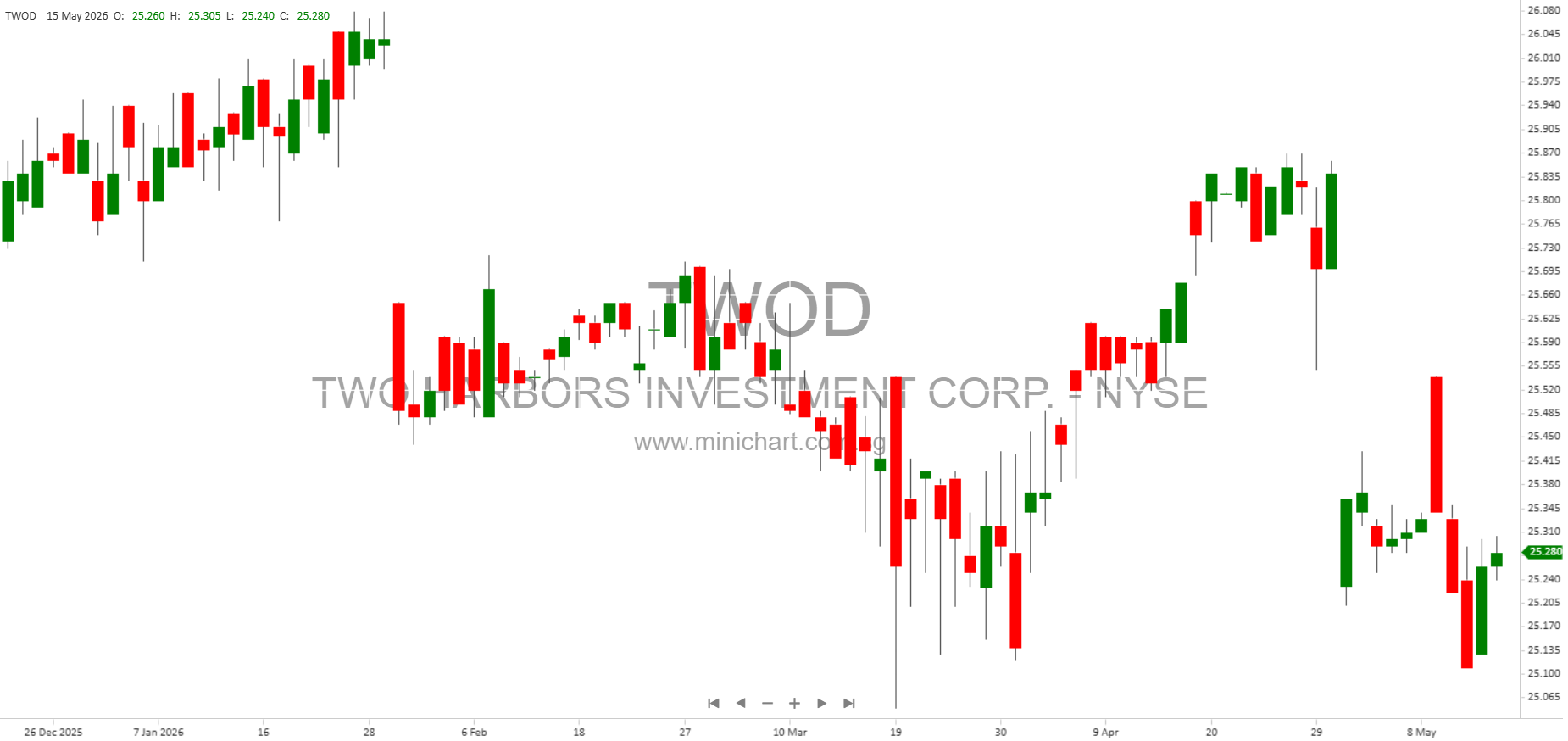
Two Harbors Investment Corp. (“TWO”) and its Board of Directors are facing a shareholder lawsuit alleging violations of federal securities law in relation to their disclosures regarding a pending all-cash acquisition by CrossCountry Intermediate Holdco, LLC (“CrossCountry”). The complaint, filed by shareholder George Assad, seeks to halt a crucial shareholder vote scheduled for May 19, 2026, unless and until corrective disclosures are made. The lawsuit asserts that the Board’s proxy materials contain material misstatements and omissions that could impact shareholder value and the outcome of the merger.
Key Points from the Report
- Alleged Breaches of Securities Law: The suit claims violations of Sections 14(a) and 20(a) of the Securities Exchange Act of 1934 and SEC Rule 14a-9, centering on proxy materials issued in support of the CrossCountry merger.
- Competing Offers and Board Actions: TWO’s Board initially agreed to an all-stock merger with M Holdings Corporation (“UWMC”) at an implied \$11.94/share. The Board later terminated this agreement for a lower all-cash offer from CrossCountry, citing a “superior proposal,” despite subsequent, higher counteroffers from UWMC—including a public \$12.50/share cash bid.
- Management Incentives Under Scrutiny: The complaint highlights that the Board’s switch to CrossCountry’s offer was allegedly driven by management’s desire to secure lucrative golden parachute payments and preserve their positions—rather than maximizing shareholder value.
- Material Omissions and Misstatements: The lawsuit alleges that the proxy failed to disclose critical facts, including the Board’s lack of negotiation with UWMC, the doubling of CrossCountry’s termination fee without added shareholder value, and the impact of merger structures on management compensation and job security.
- Risk of Uninformed Shareholder Vote: The suit argues that shareholders are being asked to approve a lower-priced deal while a higher, fully financed alternative is available, without adequate disclosure of the Board’s rationale or conflicts.
- Potential Impact on Shareholder Value: The proxy contest and potential injunction could delay or derail the merger, affect the ultimate sale price, and alter management’s compensation—directly impacting share value.
- Emergency Relief Sought: The plaintiff is requesting a temporary restraining order to stop the shareholder vote and the merger’s completion until full and accurate disclosures are made to allow shareholders to make an informed decision.
Details Investors Must Know (Potentially Price Sensitive)
- Higher Competing Bid: UWMC publicly offered \$12.50/share in cash, exceeding CrossCountry’s \$12.00/share offer. The Board rejected this bid without negotiation, a key fact not fully disclosed in the proxy.
- Increased Termination Fee: The Board doubled the termination fee payable to CrossCountry—from \$25.4 million to \$50 million—when accepting a matching bid, making it more costly for any higher bidder, including UWMC, to succeed. This move, with no incremental value to shareholders, could be interpreted as an anti-competitive measure.
- Management Payouts: The lawsuit claims the CrossCountry deal structure ensures approximately \$35 million in immediate management payouts, far above the golden parachute figures disclosed in the proxy, while UWMC’s bid would have deferred or reduced these payments, allowing for a higher per-share offer to shareholders.
- Alleged Entrenchment: UWMC’s CEO publicly accused TWO’s management of favoring CrossCountry to protect their own jobs and compensation, rather than maximizing shareholder value. These allegations were not addressed in the company’s proxy statements.
- Board’s Process Questioned: The Board is accused of failing to negotiate or present counteroffers to UWMC, instead using UWMC’s bids as leverage to extract slightly higher offers from CrossCountry, along with anti-competitive fee increases.
- Possible Proxy Vote Delay or Merger Invalidation: If the court grants a restraining order, the merger vote may be delayed, and any votes cast on the allegedly misleading proxy could be invalidated. If the merger proceeds without corrective disclosures, the suit seeks rescissory damages.
What Should Shareholders Watch?
- Shareholder Vote on May 19: The outcome of the special meeting and court proceedings could directly affect the sale price, deal certainty, and the timeline for any transaction. If the merger is delayed or voted down, share price volatility is highly likely.
- Further Disclosures from TWO: Any corrective proxy materials or company statements addressing the alleged omissions, management incentives, and Board process could shift investor sentiment.
- Litigation and Regulatory Response: Court-mandated disclosures, a possible injunction, or regulatory intervention would be material events for shareholders.
- Competing Bidder Activity: UWMC may continue to pursue TWO, possibly raising its offer or communicating directly with shareholders. Any revised bid above the current CrossCountry offer would be price sensitive.
Investor Takeaways
- The lawsuit and proxy contest introduce significant uncertainty regarding the outcome of the merger, the ultimate sale price, and the future management and strategic direction of TWO.
- Shareholders are urged to closely monitor court developments, company disclosures, and the actions of both CrossCountry and UWMC. The details of management compensation, the Board’s negotiation process, and the rationale for rejecting higher bids are all critical to the value of their investment.
- The risk of a delayed or blocked merger and the potential for a higher competing bid make this a highly price-sensitive situation.
Disclaimer
This article is for informational purposes only and does not constitute investment advice. Investors should conduct their own due diligence and consult with their financial advisors before making investment decisions. The outcome of litigation and merger negotiations can be unpredictable and subject to change.