Immunic, Inc. Q1 2026 Results: Reverse Stock Split, Widening Losses, and Major Financing Event
Key Highlights for Investors
- Reverse Stock Split Implemented (1-for-10)
- Significant Net Losses for Q1 2026
- Large Capital Raise and Warrant Exercises
- Stockholders’ Equity Swings from Negative to Positive
- No Preferred Stock Outstanding, Substantial Change in Outstanding Shares
Reverse Stock Split – Major Corporate Action
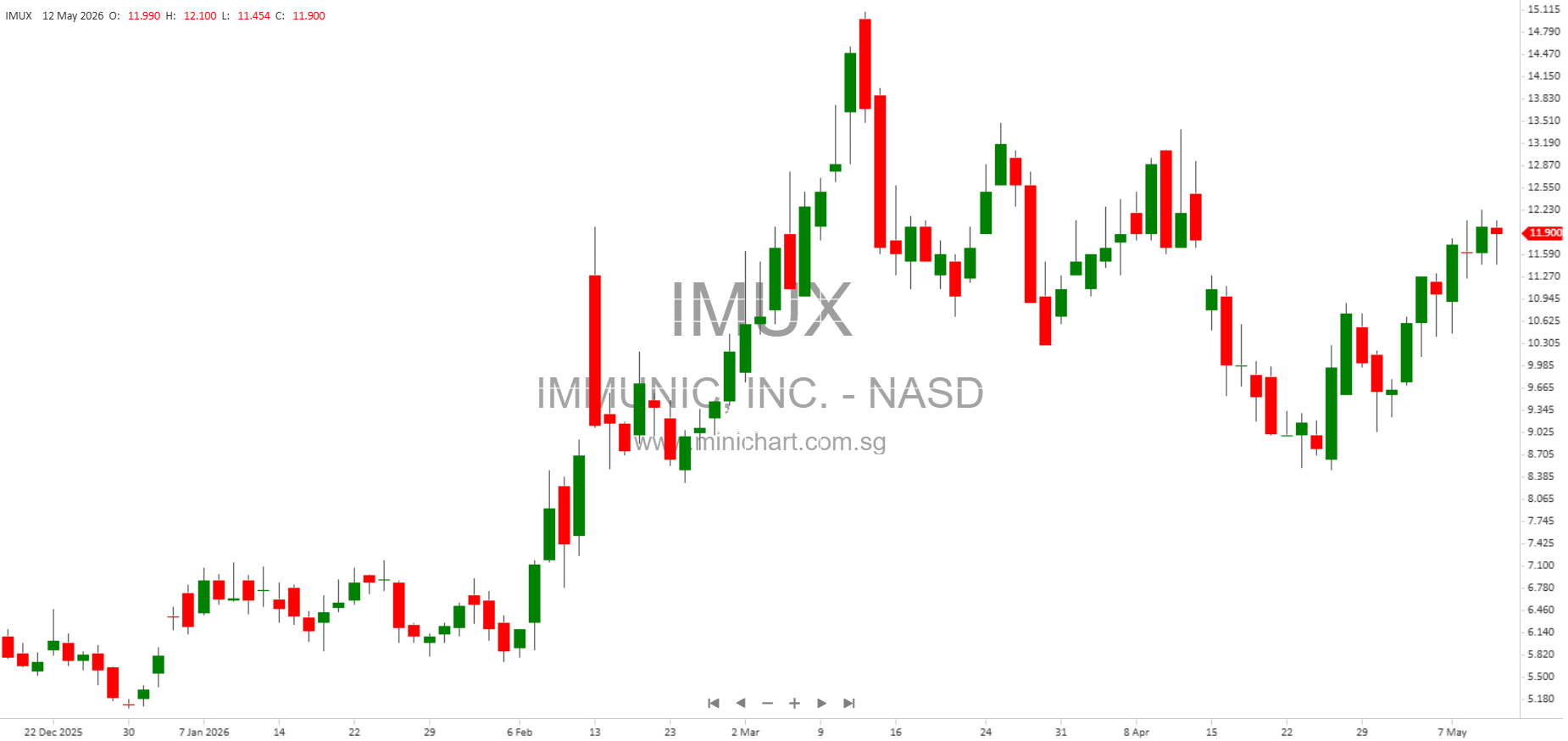
On April 14, 2026, Immunic, Inc. held a Special Meeting of Stockholders, authorizing the company’s Board of Directors to execute a reverse stock split at a ratio between 1-for-10 and 1-for-30. The Board selected a 1-for-10 reverse split, which became effective on April 27, 2026. All historic share totals have been restated to reflect this split.
Why this matters: Reverse stock splits are typically implemented to meet minimum share price requirements for continued listing on major exchanges or to attract institutional investors. This action may materially impact share price and investor perception.
Q1 2026 Financial Performance
| Metric | Q1 2026 | Q1 2025 |
|---|---|---|
| Net Loss | (\$32.6 million) | (\$25.5 million) |
| Net Loss per Share (Basic & Diluted) | (\$1.08) | (\$2.51) |
| Weighted Avg. Shares Outstanding | 30.1 million | 10.1 million |
| Interest Income | \$0.76 million | \$0.18 million |
| Stock-Based Compensation | \$4.47 million | \$2.04 million |
Investor Note: The company’s net loss widened significantly year-over-year, driven by increased operating expenses and higher stock-based compensation. Shareholders should note the substantial dilution from new share issuances and warrant exercises.
Capital Structure and Liquidity
- Common Stock: As of March 31, 2026, Immunic had 13.6 million shares outstanding (restated for the reverse split), up from 12.0 million at December 31, 2025.
- Preferred Stock: No preferred stock outstanding, with 20 million shares authorized.
- Stockholders’ Equity: Swung from a deficit of (\$6.7 million) at December 31, 2025, to a positive \$151.2 million at March 31, 2026, primarily due to the February 2026 Private Placement and warrant exercises.
- Total Assets: \$24.1 million at March 31, 2026.
- Total Liabilities and Stockholders’ Equity: \$24.1 million at March 31, 2026.
Significant Financing Events:
- February 2026 Private Placement: Raised \$187.3 million, net of issuance costs.
- Series B Warrant Exercises: Provided \$1.38 million in proceeds.
These capital infusions were critical in restoring positive stockholders’ equity and providing liquidity for ongoing operations.
Cash Flow and Use of Capital
- Net Cash Used in Operating Activities (Q1 2026): (\$21.8 million)
- Net Cash Used in Investing Activities: Minor, primarily related to capital expenditures
- Net Cash Provided by Financing Activities: Substantial, due to the private placement and warrant exercises
The ongoing high cash burn highlights the company’s dependence on external funding to continue operations, typical for clinical-stage biotech companies.
Other Notable Information for Shareholders
- The company is a non-accelerated filer, a smaller reporting company, and not an emerging growth company.
- No defaults on senior securities and no new unregistered equity securities sales were reported for the period.
- Foreign Currency Impacts: The company reports in U.S. dollars, with currency translation adjustments recorded in other comprehensive income.
Potential Share Price Impacts and Risks
- Reverse Stock Split: This action can significantly impact the share price and investor perception, potentially reducing liquidity but increasing per-share price.
- Massive Dilution: The large capital raise and the conversion of warrants significantly increased the outstanding share count, which may impact existing shareholders’ ownership percentages and could pressure the share price.
- Continued Operating Losses: The company remains highly unprofitable, with a significant cash burn rate.
- Stockholders’ Equity Recovered: The substantial swing to positive equity from a deficit may improve the company’s listing status and market perception.
Conclusion for Investors
Immunic, Inc. undertook a major reverse stock split to maintain its Nasdaq listing and completed a large private placement to stabilize its balance sheet. The company remains cash flow negative, with high operating losses, and relies on external financing for ongoing operations. Dilution from new issuances and warrant exercises is a key consideration for current and prospective shareholders.
Investors should closely monitor:
- Further capital raises and dilution risk
- Progress in clinical programs or any pipeline updates (not detailed in this filing)
- Sustainability of positive stockholders’ equity and continued listing compliance
Disclaimer: This article is for informational purposes only and does not constitute investment advice. Investors should consult with their financial advisors and review Immunic, Inc.’s full quarterly filing and other disclosures before making investment decisions. All financial figures are as reported by the company and restated for the recent reverse stock split.